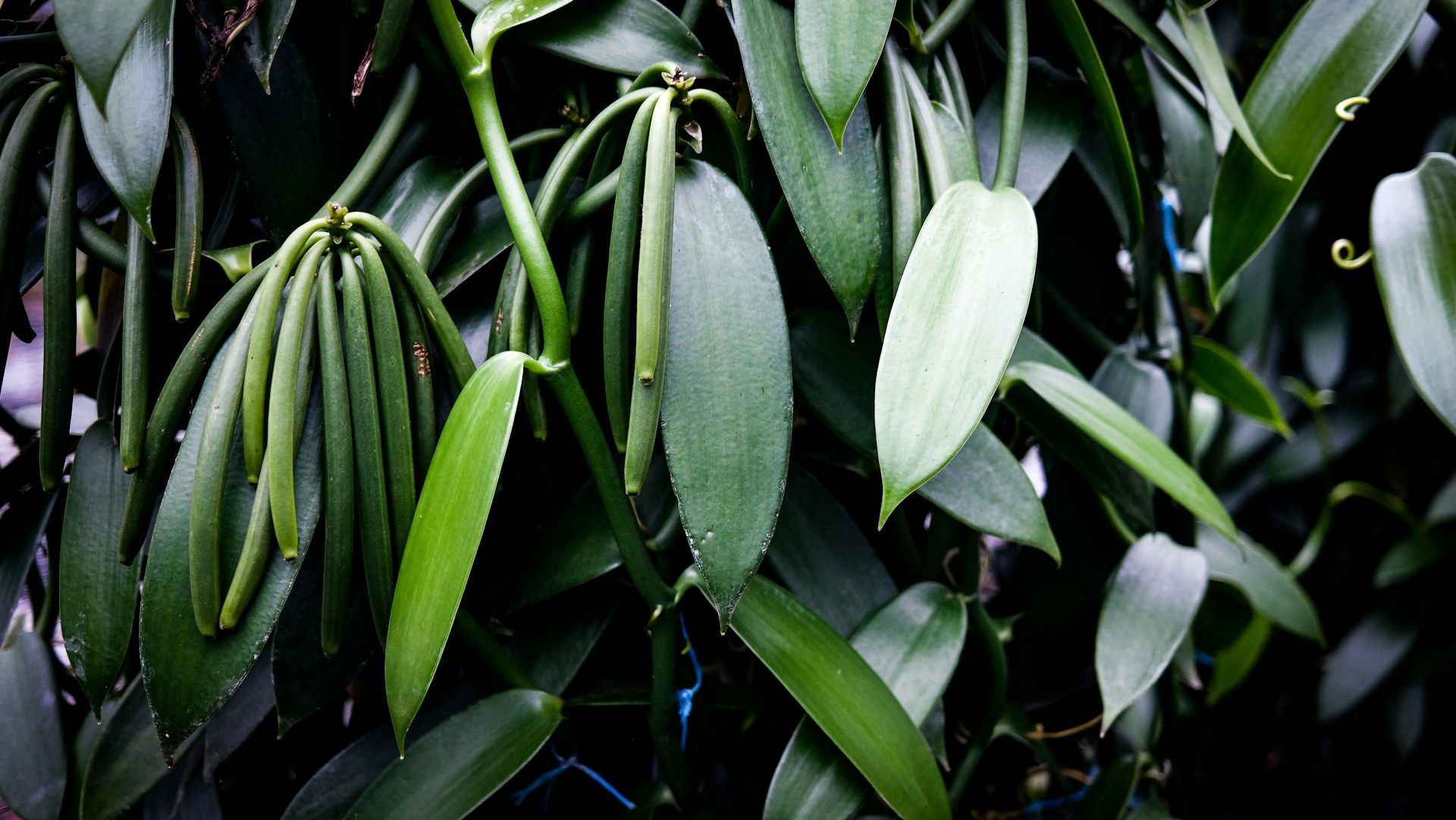

Starting a vanilla bean farm takes commitment and the right setup. This crop won’t give you quick results, but it can be deeply rewarding when done with care and attention. Vanilla isn’t anything like typical garden plants or quick-growing vegetables. It’s a tropical orchid that needs support, steady moisture, and a good deal of patience.
If you’re thinking about growing a vanilla bean farm, it helps to understand what’s involved up front. From climate needs to long timelines, there’s plenty to think about before you plant your first vine. Let’s walk through the main things to know before getting started.
Figuring Out If Vanilla Can Grow Where You Live
Vanilla grows best in warm, humid places where the temperature stays above 60 degrees. That makes parts of Florida a good match, especially during the long growing season. Cold snaps or dry air make it harder for the plants to survive or flower.
Here’s what vanilla typically needs from your location:
- Steady warmth year-round, with no prolonged cold periods
- High humidity and indirect light
- Protection from strong, direct sun and wind
If you live in a spot that meets these needs, you might be in luck. If not, you’ll have to consider other growing methods, like indoor or greenhouse setups with added moisture and warmth. Even in Florida, we often add extra shade cloth or grow under trees to get the mix of light and cover that vanilla prefers.
Vanilla vines do not like extreme changes in temperature, so it’s important to make sure their area stays fairly stable. If the air tends to get dry, consider ways to add humidity, like using misters or grouping plants. Making a basic shelter, such as a shade house, can help to keep the environment just right for strong, healthy plants. This is especially useful during the hottest and driest days, when the sun might become too much for the delicate vines.
What You’ll Need to Start Off Right
Once you’ve figured out if your area can support vanilla, it’s time to gather supplies. This crop is a vine, and it can’t grow on its own without some help. You’ll need to build a setup from the start that lets it climb, stay stable, and get enough airflow.
Your vanilla-growing setup might include:
- Strong support poles or trellises for the vines to climb
- Shade cloth or a location with filtered sunlight
- Healthy vanilla cuttings instead of seeds
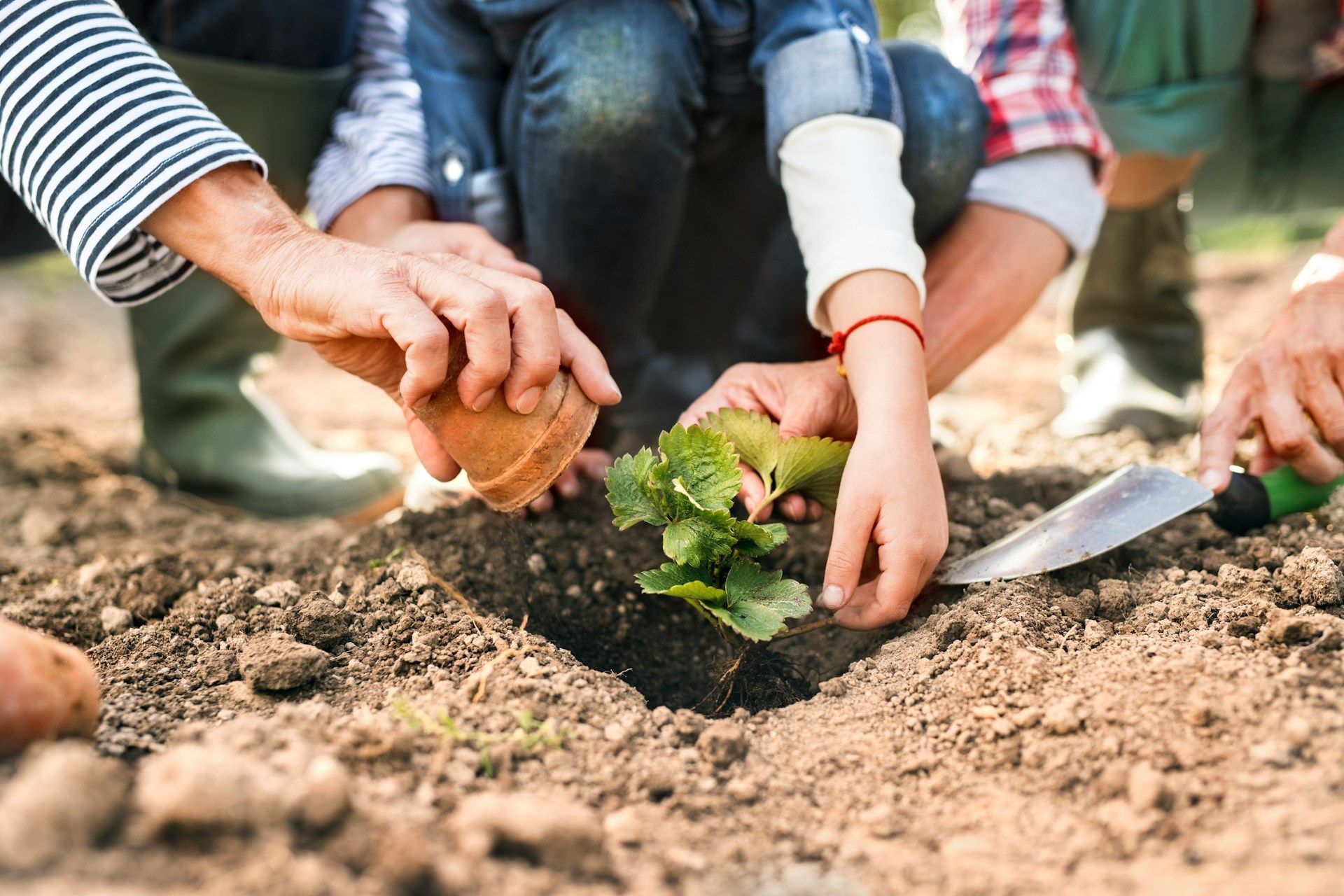
Vanilla doesn’t grow well from seed. Look for cuttings that are thick, green, and firm, with at least a few healthy nodes. These are what you’ll plant directly into the ground or containers.
If you’re growing in containers, choose something deep enough for the roots but light enough to move if needed. Growing directly in the soil is fine too, as long as you can manage drainage, shade, and access to the base of the plant.
For Florida growers, Sunshine State Vanilla recommends virus-tested Vanilla planifolia cuttings, which are bred for strong rooting and outdoor success in our region. Plants are available year-round and shipped with care instructions suited for our unique climate.
It’s just as important to think about the spot you pick to plant your cuttings as it is to pick good cuttings in the first place. Make sure the location you choose drains water quickly after it rains, and see if it provides some gentle shade during the hottest part of the day. This reduces the chance your vines will get burned or stressed. Early decisions about your setup can make ongoing care smoother in the months and years ahead.
Time and Care Vanilla Plants Need
Vanilla vines don’t rush. It can take a couple of years before they bloom, and even more time before you get a harvest. That doesn’t mean you sit back and wait. The plants need regular care along the way.
Here’s what to expect for daily and seasonal work:
- Daily watering or misting in dry spells
- Training vines to grow up their supports, not across the ground
- Keeping an eye out for signs of rot, pests, or stress
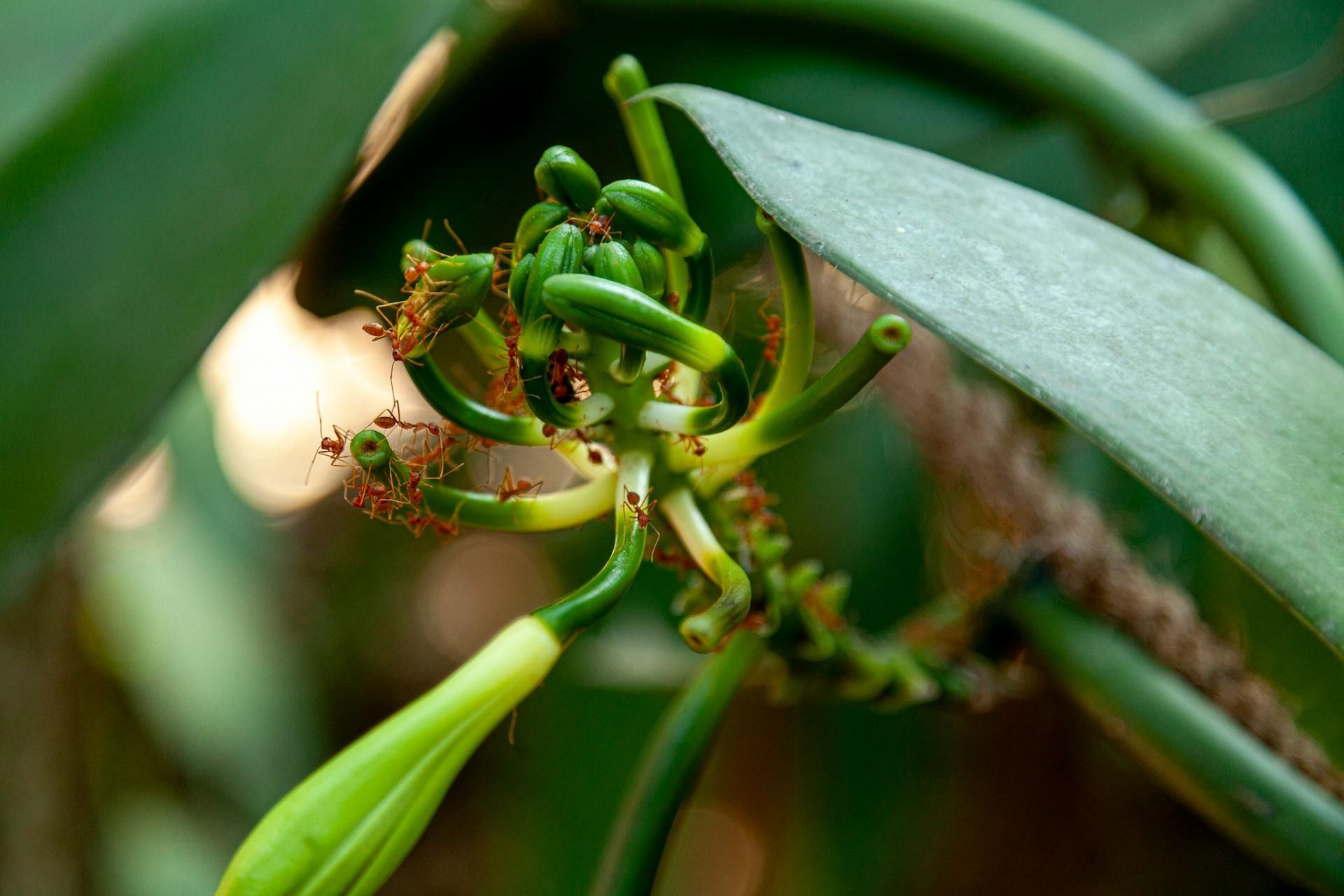
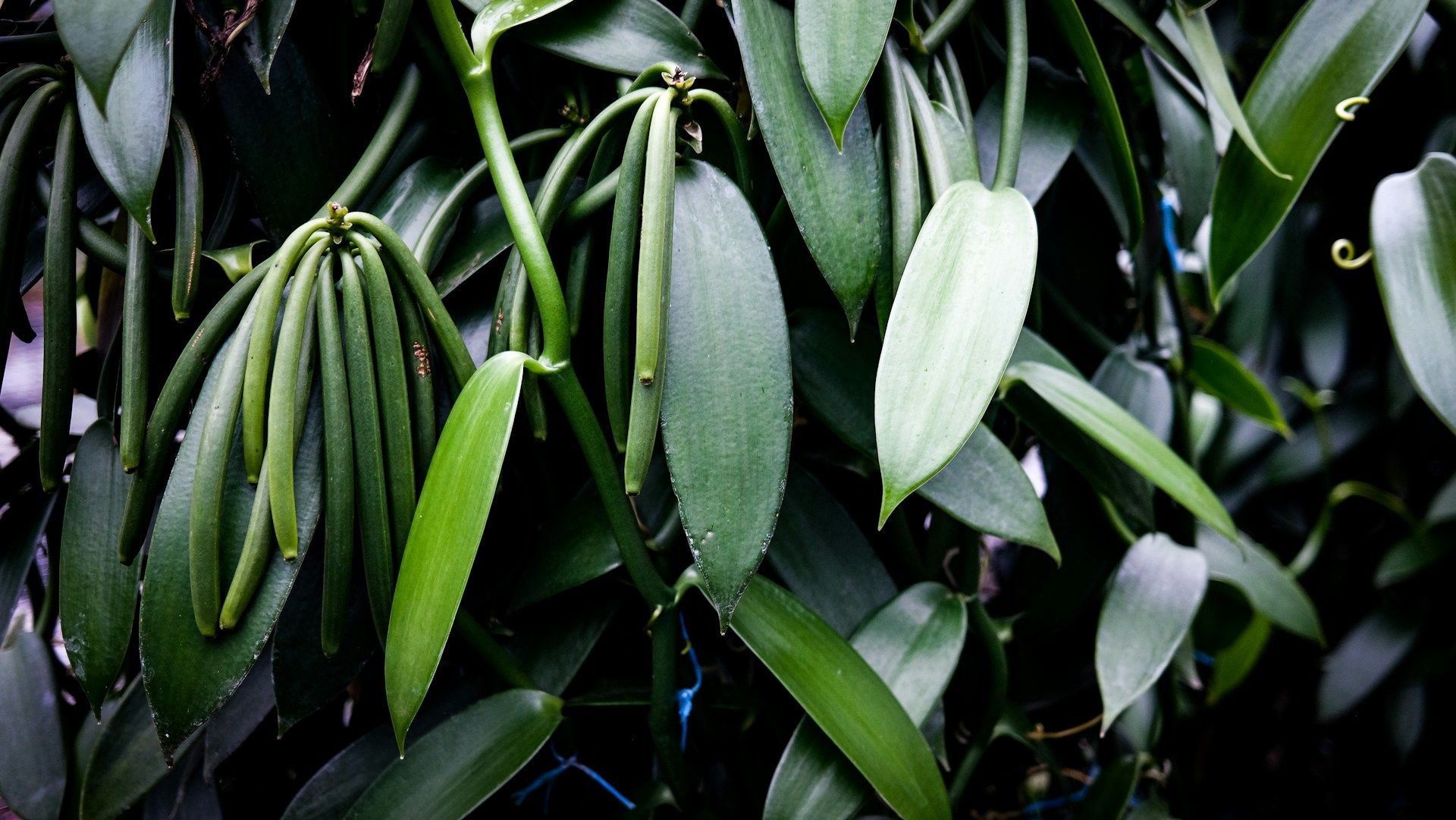
Vanilla flowers need hand pollination, since there aren’t many insects that do it naturally outside of their native regions. Pollination has to happen within a short window after the flower opens, usually in the morning. Once a flower is pollinated, it turns into a pod, which will take several months to mature.
Sunshine State Vanilla notes that training vines vertically not only makes pollination easier, but also improves airflow, reducing mold risk in Florida’s humidity. Choosing mulch and bark that encourage drainage also helps with root health.
Aside from basic care, make a habit of checking on your vines every few days. Look for leaves that wilt or yellow, which could mean too much water or too little. It’s good to be gentle when handling the vines because rough contact may damage the stems or roots. Try to catch problems early and adjust how much you water, check the soil, or change the amount of light they get. This steady routine of close care stops small issues from turning into big ones.
Preparing for the Long Haul
A vanilla bean farm doesn’t pay off in the first season. It’s a slow project, and that means planning with the long-term in mind. Many growers won’t see pods for two or more years, so it’s about sticking with it through seasons of training and tending.
To stay on track, consider:
- Keeping notes on when you planted and how the plants respond
- Following the rhythm of local seasons to time pollination and harvesting
- Accepting the pace of the plant and watching for healthy signs, not just fast results
Vanilla has its own flow, and forcing it doesn’t work. Leaning into that slower pace can help you care for your plants better and avoid burnout. For Florida growers, where winters tend to stay mild, tracking things like rainfall and nighttime temperatures can help guide what the plants will need next.
During the waiting period, use your time wisely by walking your farm, checking the supports for strength, and making notes about each plant’s progress. Little observations now can help you learn what your land and your vanilla vines need as the seasons change. For example, you might find the plants need more mulch when the summer rains come or extra hand-watering if the spring is dry. Staying active during the long haul means being ready to respond whenever your vines show you something new.
Why Now Is a Good Time to Make a Plan
Late winter is the right moment to get serious about spring planting. The chill (if there was any) is fading, and the days are slowly warming back up. That’s your sign to start pulling everything together.
Use this time to:
- Map out your growing space and check the light
- Gather or replace any supplies that didn't hold up
- Order your vanilla cuttings so they’re ready to plant when spring hits
Thinking ahead turns a tricky crop into something more manageable. If you’ve done the prep work now, early spring won’t catch you off guard. Florida’s growing season gives us a big window, but everything still depends on how you start.
The weeks leading into spring are the ideal time to walk your space and be sure it is free from weeds, leftover debris, and anything that could get in the way of your setup. Take note of how the sun moves through the area each day, and if nearby trees are likely to shade your vanilla more as they leaf out. Gathering supplies like mulch, ties, and supports now can keep you from scrambling later. Ordering your cuttings early means you’ll be ready to get them planted at just the right time for strong, healthy growth when warm weather settles in.
Growing with Real Expectation
There’s no quick version of starting a vanilla bean farm, and that’s okay. The process rewards growers who work carefully, season after season. It asks for your time, your attention, and your respect for the plant’s slow pace.
If you’re willing to think long-term, it’s one of the most interesting crops to grow in Florida. From shade tents to hand pollination, every part of vanilla growing brings its own rhythm. When you know the steps and plan around them, the work feels a lot more doable. Staying patient becomes part of the process. With care and planning, it’s a crop that can give back for years to come.
Ready to grow your own crop? We have the plants and expert support you need for success. Our Florida-grown vanilla cuttings are cultivated in the ideal climate and shipped ready to root. Whether you want to start small or expand, now is the perfect time to kick off your own
vanilla bean farm. At Sunshine State Vanilla, we’re here to support you from that first planting through every season. Reach out with any questions or for help choosing your plants.