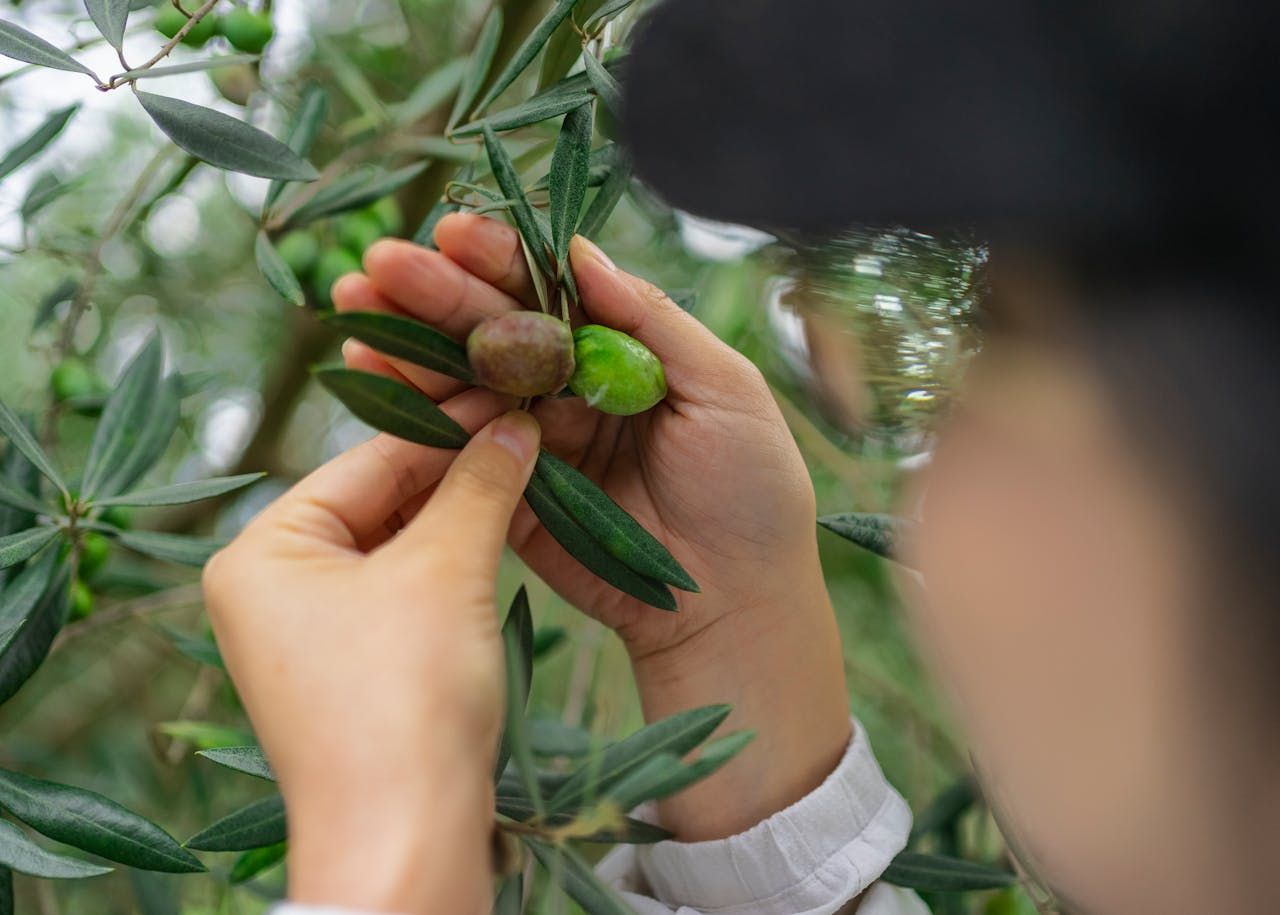

Olive trees can be a great choice for Florida gardens, whether you're working with a backyard space or adding a few new varieties to a small farm. Their silvery leaves, strong limbs, and long life give them a steady presence. But not all trees for sale will grow well in Florida soil and weather. That’s why finding healthy olive trees for sale takes a little know-how.
Late winter is one of the better times to shop for fruit trees in Florida. Soil is still warm, and early spring rains are just a few weeks away. That gives your new plant some time to settle into its spot before summer heat kicks in. Knowing what to look for and where to find stock can make the difference between a tree that thrives and one that struggles after planting.
Why Olive Trees Grow Well in Florida
Florida’s weather gives olive trees what they need: long growing seasons, full sun, and short, mild winters. These trees like steady warmth and don’t handle hard freezes well, which makes most of the state a good match. The further south you go, the less chance of cold snaps. Central and North Florida can still grow olives with the right variety and care.
To grow strong, olive trees need:
- Full sun each day, ideally 6 hours or more
- Well-drained soil that doesn’t stay wet after rain
- Room to spread both roots and branches over time
It helps if soil has some sand and doesn’t hold too much moisture. Clay-heavy areas or spots that flood during storms aren’t the best choice for planting. High ground with good air movement tends to be the safest option. If you’re unsure, digging a small hole and checking how long it takes for water to drain can give you a quick idea of how the site will behave.
What Healthy Olive Trees Look Like Before You Buy
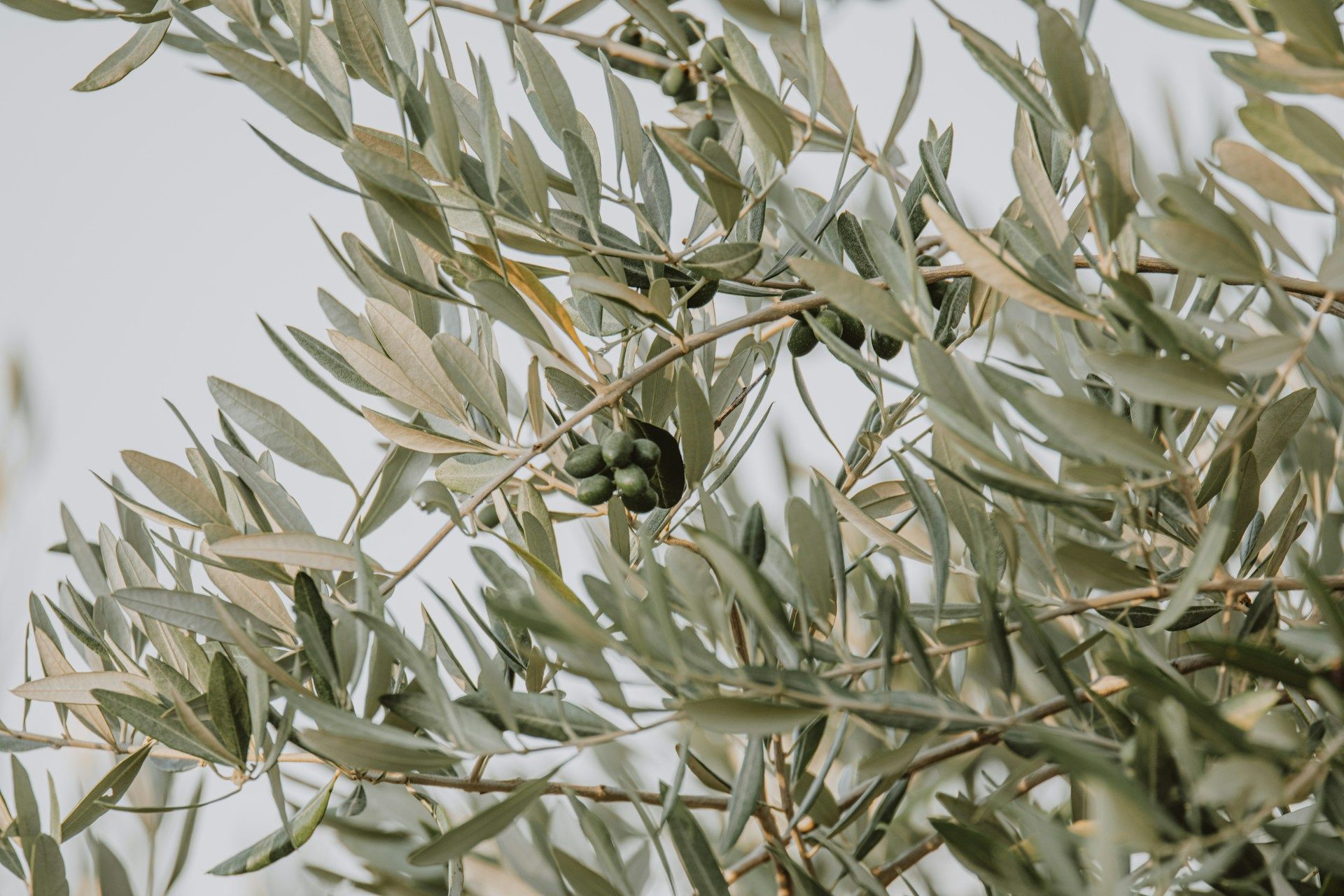
Before you hand over any money, it's a smart idea to take a close look at the tree itself. A healthy young olive tree should have sturdy growth, clear bark, and balanced shape. Leaves should feel firm, not brittle or soft. You don’t want any signs of damage that could set the plant back once it’s in the ground.
When checking for quality:
- Make sure the trunk stands upright and feels firm at the base
- Look for healthy green leaves with no spots or curling edges
- Avoid trees with split bark, bug holes, or signs of rot near the roots
Take a few seconds to gently tug on the trunk and see if it feels loose in the pot. A strong root system will hold its ground. If it shifts easily or looks freshly potted, the root structure may not be well developed yet.
If the tree has been grafted, a process where one plant is joined to another, check the graft union where the two meet. That spot should be clean and stable, without a bulge or crack.
Best Places to Find Reliable Stock in Florida
We usually recommend looking close to home when shopping for olive trees. Local nurseries are more likely to carry stock suited to Florida’s growing conditions. Trees grown in-state are used to the same weather and soil you’ll be planting them in. That means less shock and faster adjustment.
Reliable places to check include:
- Family-owned nurseries and tree farms
- Seasonal plant sales hosted by farm groups or educational gardens
- Regional growers that specialize in fruiting trees
When we look for healthy olive trees for sale, we tend to ask where the stock was raised. Trees shipped from colder climates or greenhouses in distant states may look fine at purchase time, but they haven’t had a chance to adapt to Florida’s outdoor heat, pests, or moisture levels.
Questions to Ask Before Buying
Tree shopping shouldn’t feel rushed. Asking a few easy questions can help you avoid problems later. Sellers who grow their own stock should be willing to talk about how they care for their trees and what to expect after planting.
Try asking:
1. How old is the tree, and how long has it been in this pot?
2. What variety is it, and is it self-pollinating or does it need a second tree?
3. Was it started outside or moved from a hothouse?
If you’re traveling with a tree in your vehicle, keep it shaded and out of direct heat during the ride home. Plant as soon as you can after purchase. If that’s not possible right away, set the pot in a temporary shady spot and give it a gentle drink of water.
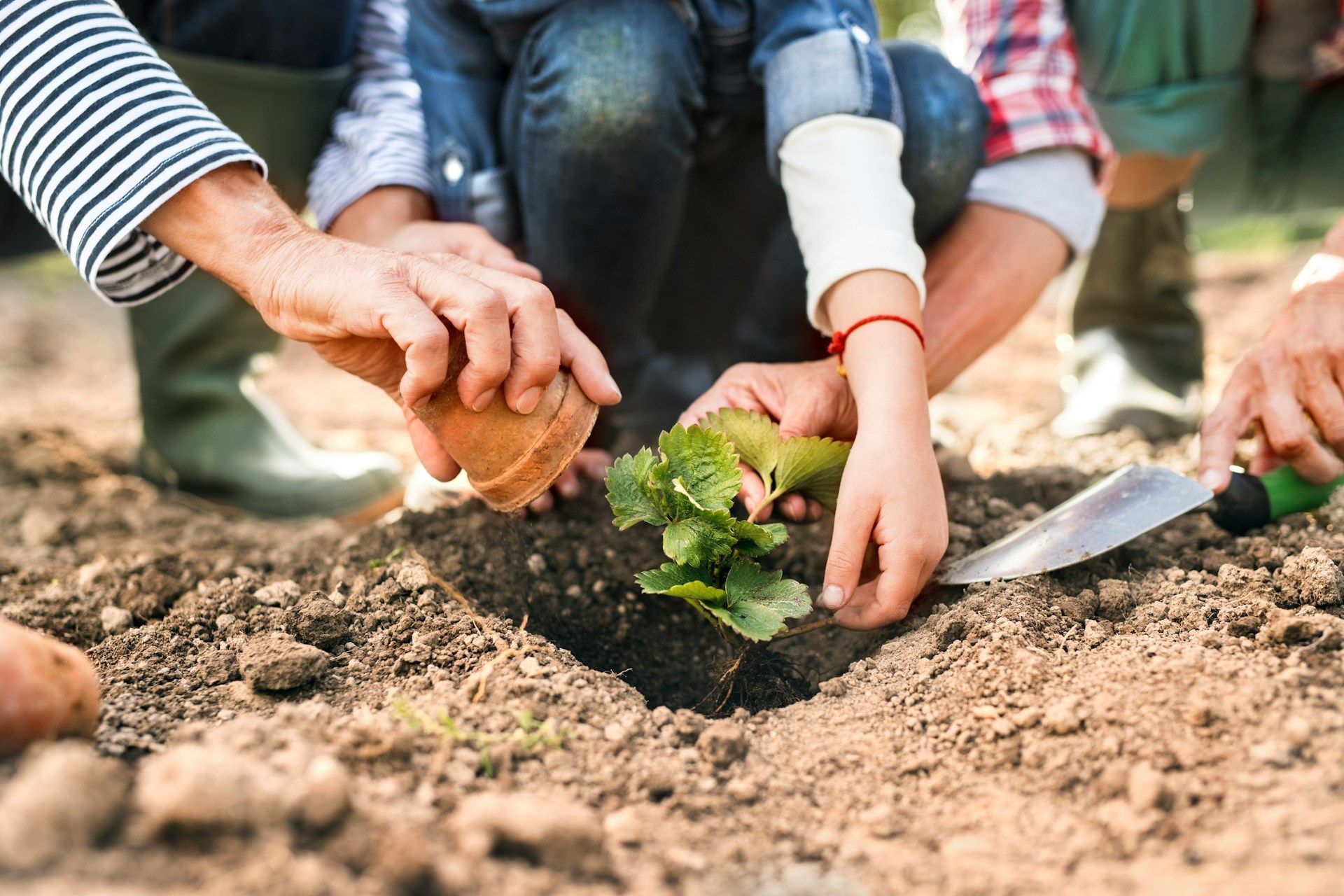
Clear the planting area before your new tree arrives. Weeds, turfgrass, and leftover roots from other plants can compete for resources. The cleaner the spot, the better your olive tree can grow.
How to Know When Late Winter Is the Right Time to Buy
Around late January and early February, Florida’s weather starts to shift. We’re still in the cooler part of the year, but plants are picking up pace as daylight hours increase. That makes it a good window for transplanting trees.
The soil is still holding warmth from fall, and hard freezes are less likely this time of year, especially in the southern half of the state. Early spring showers do the rest of the work, helping settle the roots without daily watering.
Buying now gives your tree time to stretch out and settle before summer temperatures climb. By the time June arrives, your olive tree will have had about four to five months to adjust. That means stronger growth and better chances of thriving long-term.
Plant Smart, Grow Strong
Choosing healthy olive trees and planting them at the right time helps them settle in and grow with fewer problems. Florida offers the warmth and light these trees need, but starting with strong stock makes a big difference.
Planning during late winter gives your tree a head start before the heat and rains of summer kick in. A little effort now will pay off each season as those roots deepen and the branches fill out. Let the timing work in your favor and give your olive trees the best shot at steady, strong growth.
Now is the perfect season to plant a new tree and put down roots in your Florida landscape. Our trees are specially raised to thrive in local conditions, making them a smart choice for both home gardens and small groves. For those interested in adding fruiting varieties with proven strength and resilience, explore our
olive trees for sale to find the ideal fit for your space. At Sunshine State Vanilla, we’re here to help you select the right tree and answer any questions you may have. Reach out to us to get started.