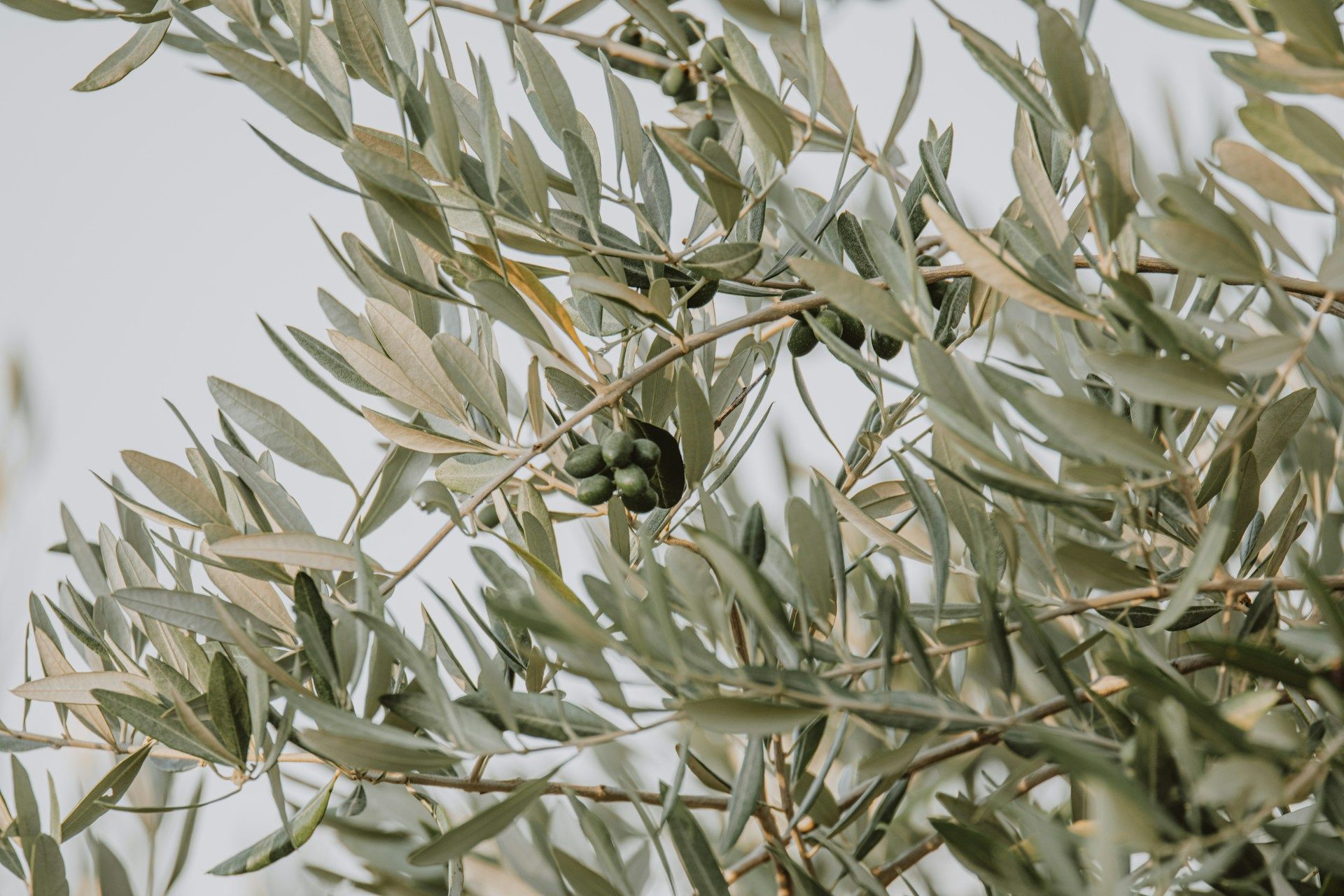

Growing olive trees in Florida might sound simple, especially with the state’s year-round warmth and sunshine. But the truth is, getting olive trees to take root, grow strong, and actually produce fruit here requires more than just watering and waiting. One of the biggest things we’ve seen make or break a new grove is how the soil is prepared before a single tree is planted.
Unlike parts of the Mediterranean or arid regions where olives naturally thrive, Florida's soils come with some quirks. From sandy stretches to spots with poor drainage, the ground here needs a bit more thought and effort upfront. We’ve learned that if we want long-term growing success, proper soil prep comes first. Let’s look closer at what makes Florida’s ground so different and what olive trees need to grow well here.
Understanding Florida’s Soil Types and Why They Matter
Across Florida, soil varies quite a bit from region to region. But in many places, the soil is mostly sandy and drains water quickly. On the surface, that might sound like a good thing. After all, olive trees don’t like to sit in soggy soil. But sandy soil on its own doesn’t hold nutrients well. That means minerals and water may drain away long before the tree’s roots get what they need.
Then there are loamy or clay-blended soils found in parts of North Central and South Florida. While loam can offer more structure and nutrient stability, heavy clay can trap moisture. For olive trees, that’s a problem. Roots need to breathe, and wet ground can rot young trees before they’ve even had a chance.
Here’s why Florida’s natural soil doesn’t always give olive trees a strong start:
- Sandy soils lack the nutrients and moisture retention olive trees depend on
- Clay-heavy soils can flood the root zone, especially with all the rain we see
- Natural pH levels often fall outside the range olive trees prefer
- All that boils down to one thing, a little soil prep goes a long way here.
Key Nutrients Olive Trees Need to Thrive
Every plant has a list of must-have nutrients to stay healthy. For olive trees, that list includes nitrogen for leafy growth, potassium for root strength, and calcium to keep cells stable. While most commercial fertilizers can provide these, the problem in Florida isn’t always adding them, it’s keeping them in the soil long enough for the roots to absorb them.
Sandy soil, which is common in coastal areas and central Florida, tends to let nutrients wash right through. Even where nutrients are added, rains or irrigation can carry them away too fast. Clay soils can hold nutrients but may choke out oxygen and cause standing water.
Some of the signs that a tree is lacking nutrients include:
- Pale, yellowing or curled leaves
- Weak growth, slower than expected
- Small or few fruits during harvest
If we’re seeing these kinds of issues, it usually connects back to what’s happening underground. That’s why we always focus on getting the soil right before putting a tree in the ground.
Soil Prep Steps Before Planting Olive Trees
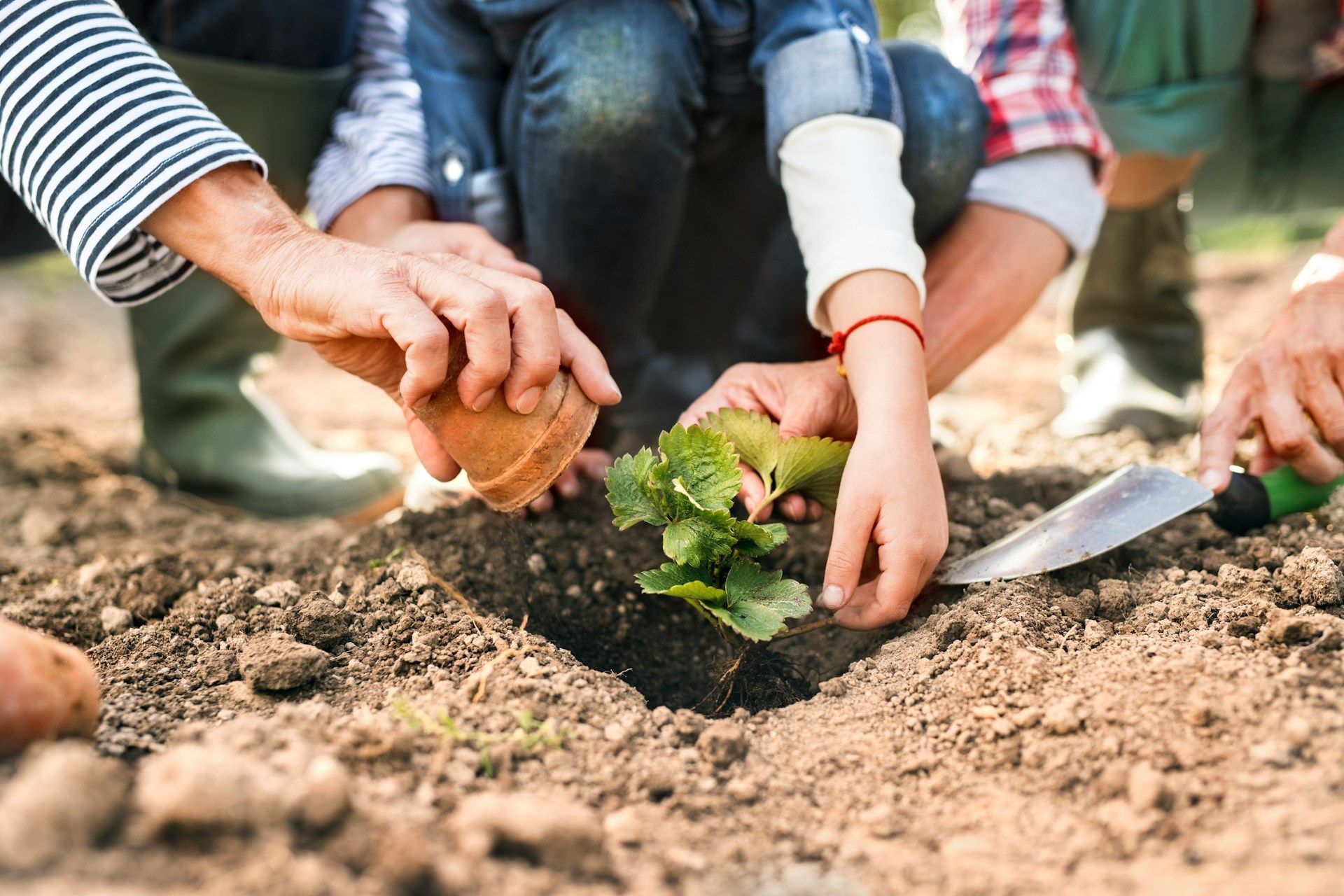
We can’t fix everything by adding compost or fertilizer once trees are in the ground. That work needs to be done early. When we’re getting ready to plant, we start with a soil test. This lets us understand what we're working with, pH, mineral content, and drainage.
Once we know what’s missing, we:
- Add compost to build structure and retain water
- Mix in sand or pine bark to help with drainage where soil holds too much water
- Raise or lower pH with safe materials (like lime) so it’s closer to what olive trees like
We also pay close attention to planting depth and spacing. Overcrowding can cause roots to compete and make water problems worse. Wide, shallow root zones need space to spread and settle. In wetter parts of Florida, creating raised planting rows or mounds has helped water move away from the trunks.
We’ve found that the Arbequina variety of olive tree available at Sunshine State Vanilla adapts well to Florida’s different soil conditions, making it an option for many homeowners. Additionally, according to Sunshine State Vanilla's guidance, raised beds or mounds not only help with drainage but also keep developing roots warmer during colder Florida nights.
With January bringing cooler temps and more rain, right now is the sweet spot for prep work. The soil is damp but not overly hot, and we still have time before spring growth kicks in.
Seasonal Timing and Local Weather Considerations
Winter in Florida doesn’t mean snow, but it still brings noticeable changes. Rainfall picks up and humidity hangs in the air well into February. This can be tricky for new plantings. Getting our soil ready in January makes it easier to take advantage of that early moisture without overdoing it.
Here’s why we prep now rather than wait:
- Florida’s winter rains soften the ground, making soil blending easier
- Nutrients and amendments have time to settle before root growth increases in spring
- Early prep allows for natural weed control before warm temps bring a rush of growth
Starting early also gives us a better handle on insect pests and fungal issues that pop up when things warm up. When the soil is already balanced and draining well, those headaches are easier to avoid.
The Long-Term Payoff of Proper Soil Prep
Olive trees are low maintenance once they’re established, but bad soil can lead to ongoing problems season after season. When we put in the work at the start, the benefits show up in more than just growth rates.
Here’s what good soil prep helps with over time:
- Less watering in dry months, since the ground holds moisture better
- Healthier trees that live longer and produce more fruit
- Less disease, pest pressure, and root stress from poor drainage
Strong roots from year one make everything go smoother later. That means fewer surprises as the trees mature and more reliable harvests every season.
Setting Up Olive Trees for Florida Success
We’ve seen firsthand how good soil prep pays off. More than sunlight or rainfall, the health of the ground decides whether olive trees flourish or struggle. Florida brings some unpredictable weather and ground conditions, but prepping right now gives us a real shot at success.
When we take soil seriously from the start, our trees stay stable through heavy rains, sudden droughts, or anything in between. It’s not just about this season, it’s about setting the foundation for many seasons to come. A strong root system is the best investment we can make this winter.
Ready to set your olive trees up for success in Florida's unique climate? Sunshine State Vanilla offers a variety that thrives in our local conditions. Discover more about
olive trees in Florida and take advantage of our expertise to nurture a flourishing grove. Reach out to us today and let Sunshine State Vanilla guide you through every step of your planting journey.