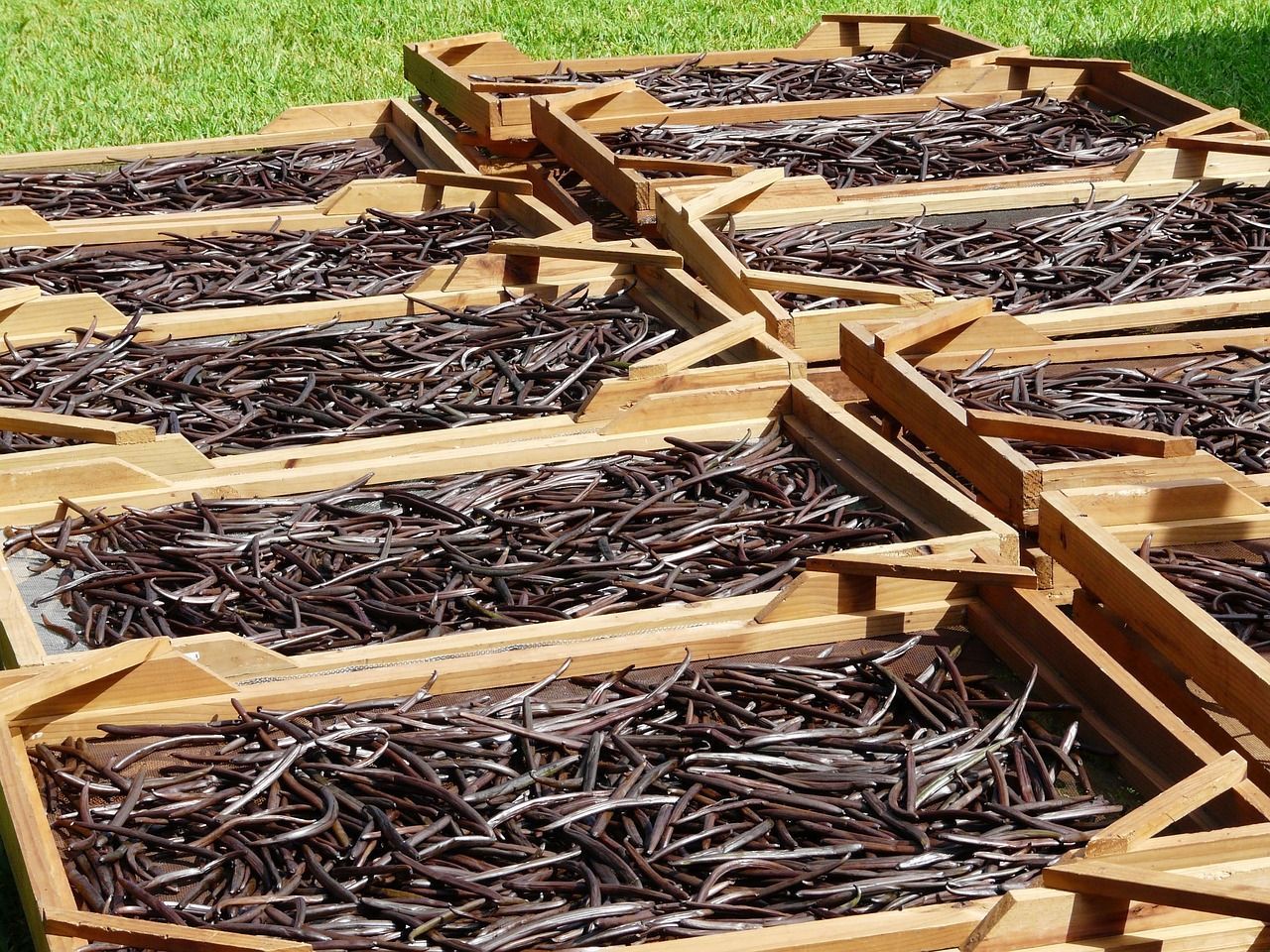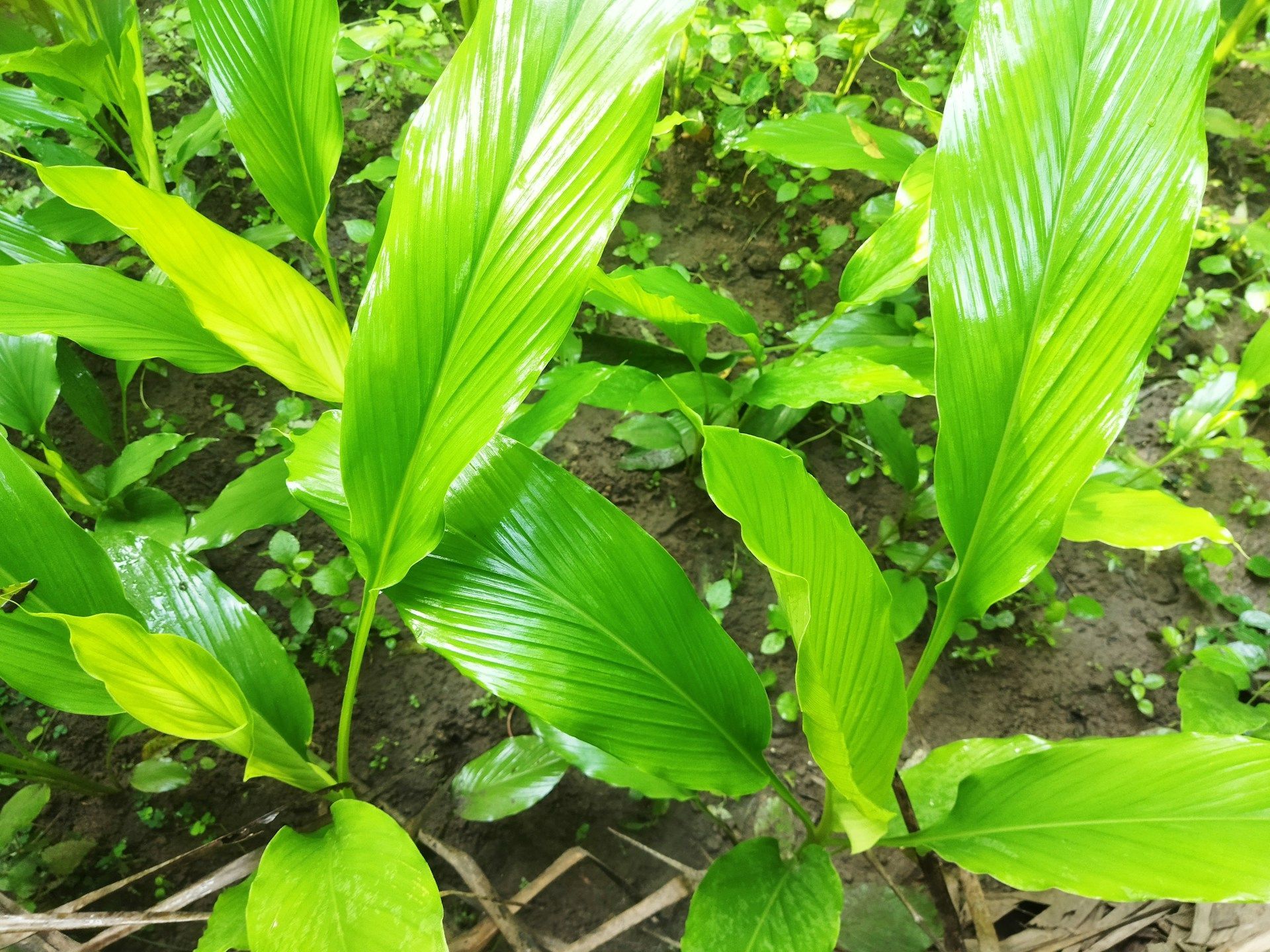

Growing vanilla beans in Florida can be rewarding, especially when the spring season starts warming the soil and waking up the plants. But it’s not just about sticking a vine in the ground and hoping it takes. Vanilla can be slow to settle, and the climate in Florida adds a few twists. With high humidity, quick temperature swings, and sudden heavy rains, small planting slips can turn into big setbacks fast.
We’ve spent plenty of time setting vines in the ground and helping growers get things started. Over the years, we’ve noticed a few planting missteps happen more often than others. Some are easy to avoid with a little prep, while others need a quick fix before causing long-term trouble. If you're new to growing vanilla beans in Florida or want better results this season, try watching out for these common planting mistakes.
Planting Too Shallow or Too Deep
Where and how you place your vanilla vine makes a big difference. Vanilla roots don’t like being pulled too far above the surface, but they also don’t do well when packed deeply in the soil. If the roots are exposed or too shallow, they dry out quickly. If they’re buried too deep, they can rot, especially after a heavy rain.
When we plant, we aim to tuck the roots just under the surface while leaving part of the stem above the ground. Loose soil that drains well gives the roots room to breathe and hold moisture without collecting more than they need. It’s easy to check your depth by lightly pressing on the soil around the base after watering. If the roots peek through or shift, it may be too shallow.
If you notice your vine sagging, sitting too low, or showing bare roots a few days after planting, go ahead and repack the soil with light hands. The idea is to lift or press the vine into place without snapping tender roots or covering more of the stem than needed.
Picking the Wrong Spot for First Planting
Florida brings intense sun and heavy heat during midday, especially when spring turns to early summer. A spot that looks perfect in the morning might be too harsh by early afternoon. Vanilla vines like warmth, but they burn fast without some cover.
When we scout planting spots, we look for places that give a mix of filtered light, airflow, and cover from harsh sun. Areas under tall trees, next to shaded fences (without full contact), or places where soft wind travels through are best. What we avoid are corners between buildings, spots along full-sun walls, or low spaces that trap hot air and block breezes.
Another common mistake is placing vines right next to brick or concrete surfaces. These hold and reflect heat into the vine, drying it out faster than the plant can handle. Giving a few feet of space from heat-trapping walls or dense hedges helps keep the growing space cooler and stable.
Ignoring Florida’s Moist Ground Conditions
One of the biggest risks we see comes from well-meaning overwatering. Florida’s ground often holds more water than it seems, especially during spring rains. That rich scent after a storm? That’s the soil saying it’s plenty full. Adding more water on top of already damp soil can throw the balance off and sink roots into trouble quickly.
Instead of watering on schedule, we rely on feel. Press your palm into the soil for a few seconds. If it clings to your skin or feels cool and spongey, hold off. Vanilla likes steady moisture, but not constant wetness.
For tougher zones or areas with sticky ground, raised beds or mounds work well. They lift the base of the vine and give water somewhere to go. We often mound up a mix of soil and compost into a knee-high hill before nesting the vine toward the top. That extra elevation keeps the root zone breathable during wet weather.
Skipping the Support System Early On
Vanilla vines don’t just grow up on their own. They need something sturdy to lean on or wrap around from the start. Some growers wait to add trellises or poles until the vine gets longer. The problem is, without that support right away, the vine bends near the base and grows sideways, putting stress on new roots and making it hard to recover.
We always recommend putting the support in the ground at the same time as planting. This keeps the vine steady from the beginning and helps it climb from day one. It also avoids poking around later and risking root damage from adding poles or posts too late.
When attaching vines for the first time, use a soft tie that doesn’t pinch or dig into the stem. Old cloth strips or soft rubber twist ties work well. Loop loosely so the plant can grow and thicken over time without getting stuck or injured.
Thinking Shade Cloth Solves It All
Shade cloth can help, but it’s not a fix-all. We see growers throw up cloth over full-sun zones thinking that will control heat. But without airflow, it turns into a heat trap. And when it rains, that trapped layer holds moisture just a little too well and doesn’t let the space dry out.
Young vanilla vines, freshly planted, don’t respond well to stuffy environments. That still air, paired with long stretches of wet leaves, can invite problems fast. So if you’re thinking shade cloth is your go-to, check the airflow. Make sure the wind still moves gently through the space and that there's no standing dampness under the cover.
We prefer natural shade for early-stage vines. Spaces under trees, beside high fence lines that break the sun without sealing off wind, or even areas where taller plants throw partial shade from late morning to early evening tend to create better conditions comfortably, without the effort of setting up shade cloth.
Steer Clear and Grow Strong
Getting vanilla started the right way means planting with spring weather in mind. Florida gives us a head start on warm-season crops, but it also challenges us to keep balance. From soil depth to sunlight levels, every little step adds up.
By giving extra time to pick the right spot, checking the soil, and adding that support pole early, we’re setting up the vine for slower, steadier growth that lasts. Avoiding these common mistakes gives plants better footing and gives us peace of mind once the real heat of summer rolls in. Each careful start leads to a stronger, more productive vine across the season.
Ready to learn more or improve your techniques? With resources for every grower, we help you find what works best for setting roots, managing heat, and choosing the ideal planting spot. As you consider options like supporting vines or creating the right microclimate, there’s always more to learn about growing vanilla beans in Florida. At Sunshine State Vanilla, our team is here to answer your questions and help you grow with confidence, reach out anytime to discuss your plans or get expert guidance on your vanilla crop.