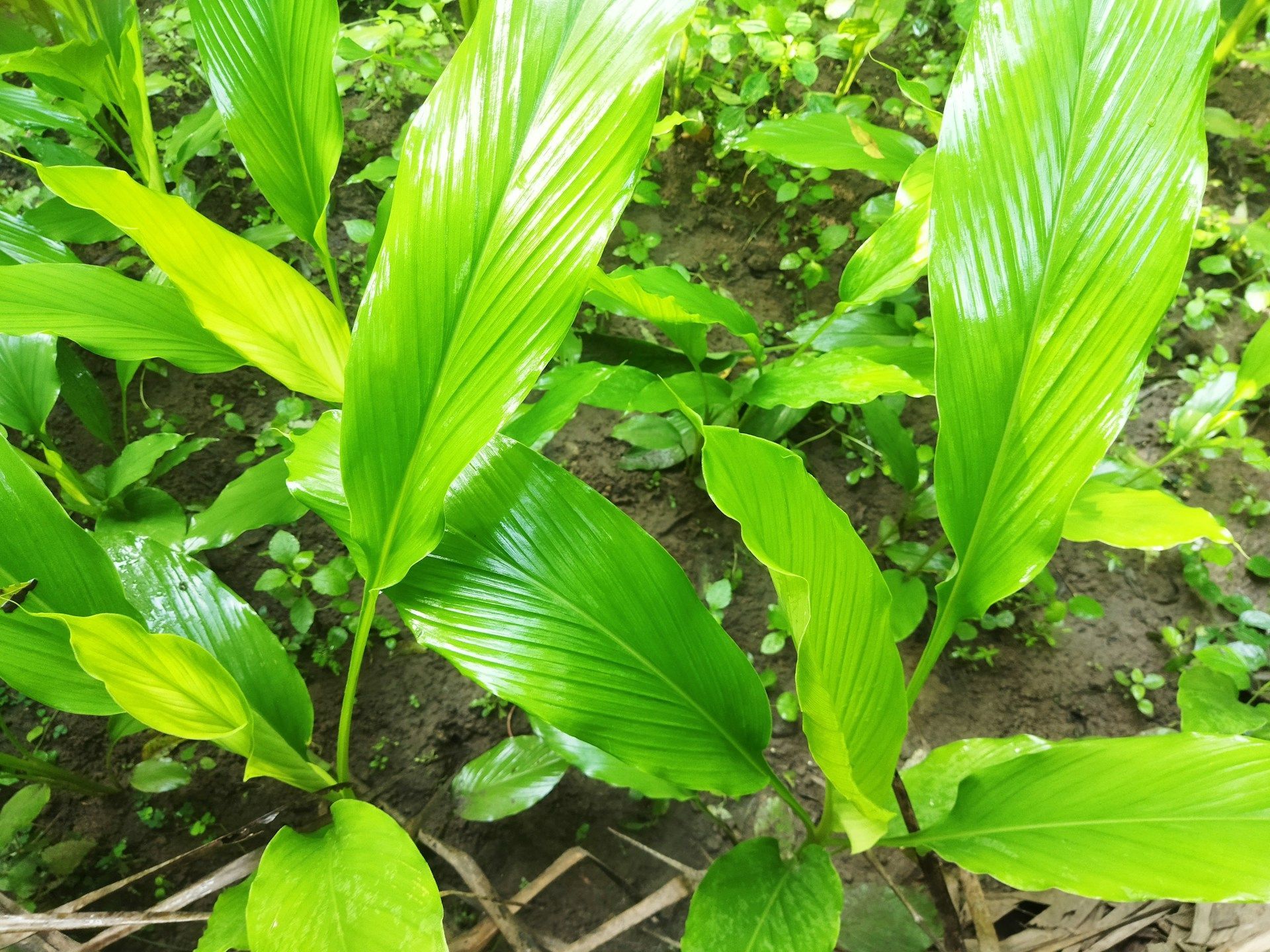

Vanilla planifolia is one of the most recognizable plants when it comes to producing real vanilla. For those looking to begin with a live starter, a vanilla planifolia plant for sale is often the first step. Since the plant thrives in heat and humidity, early spring is a good time to get grounded, especially in warmer places like Florida. This time of year gives young plants a chance to settle before the hotter stretch of the season arrives.
In this post, we’re sharing what to expect from the plant, what it needs to grow well, and how to set yourself up early with the right kind of care. Whether you're adding a single vine to a patio space or working a few rows into outdoor beds, planning now makes all the difference later.
What Is a Vanilla Planifolia Plant?
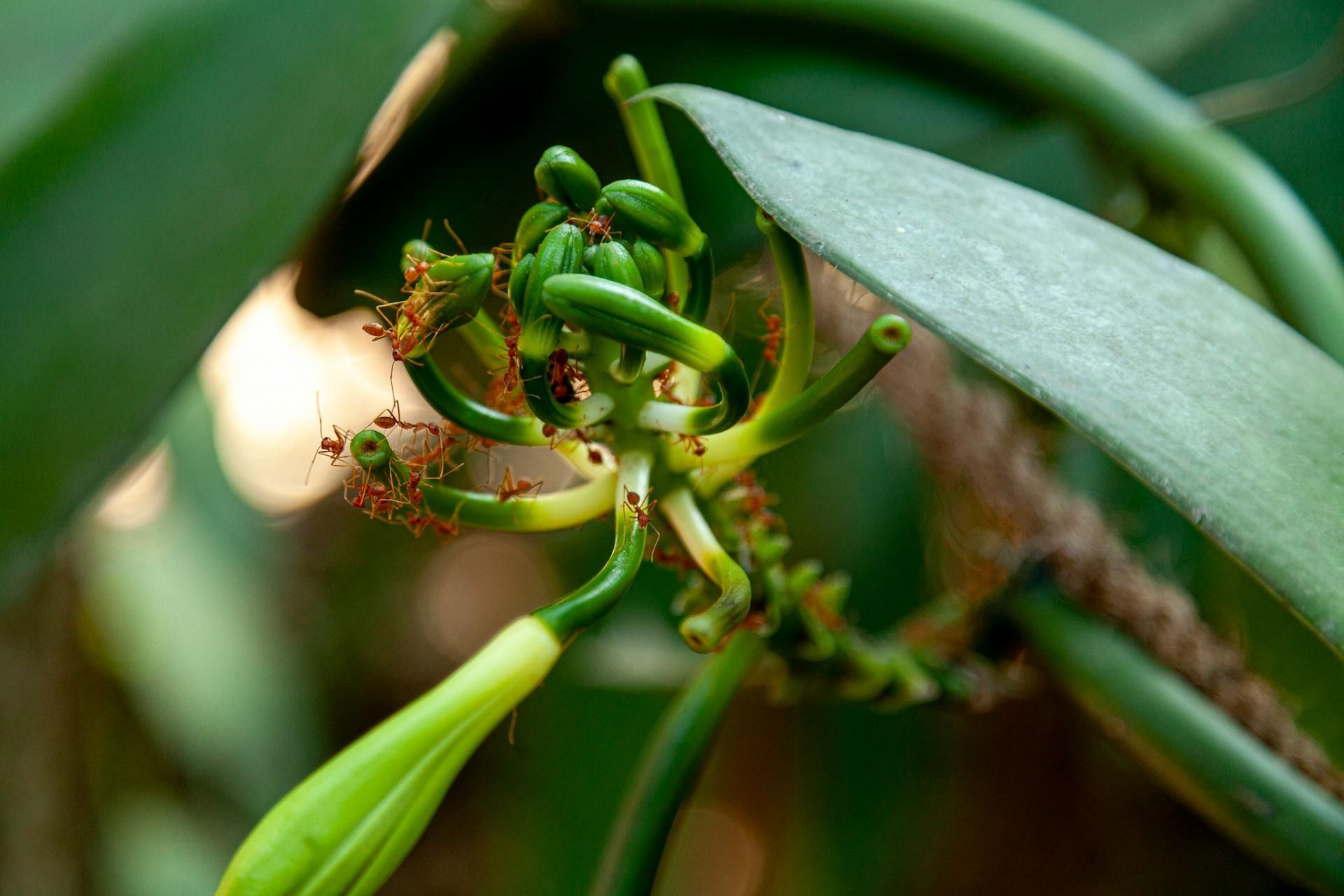
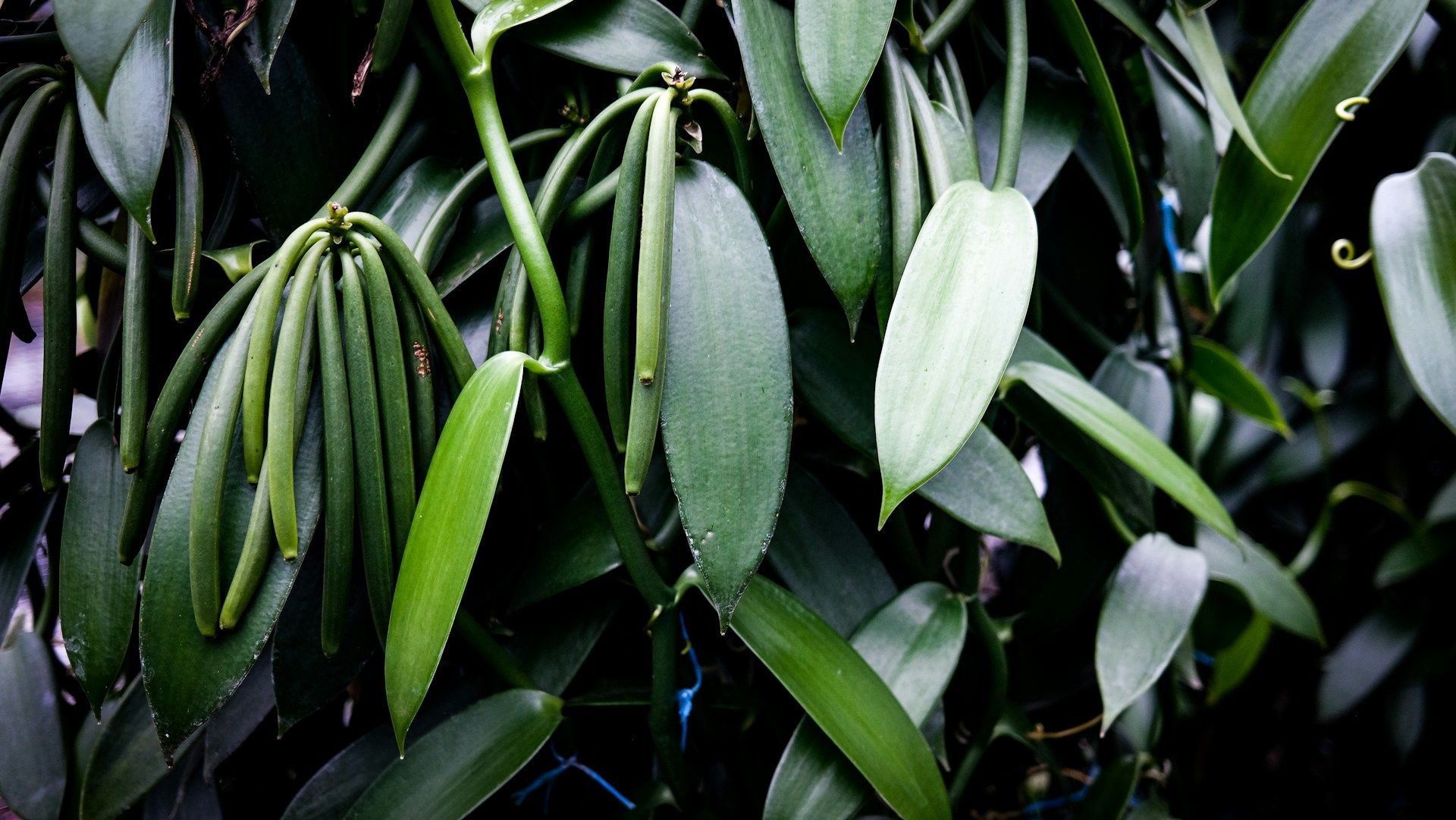
Vanilla planifolia is a variety of orchid, recognizable by its long, green vines and thick leaves. The plant grows by climbing and needs something to latch onto, like a trellis or pole. Its flowers bloom under specific conditions, and if hand-pollinated, they'll eventually grow vanilla pods.
This plant originally comes from tropical regions and is used to high heat, filtered light, and steady moisture. It fits well into home gardens, greenhouses, and warm outdoor spaces where it has room to climb. Because it’s a vining orchid, it behaves differently than your usual garden plants. Its rooting system is shallow, and it prefers a bit of airflow around the base.
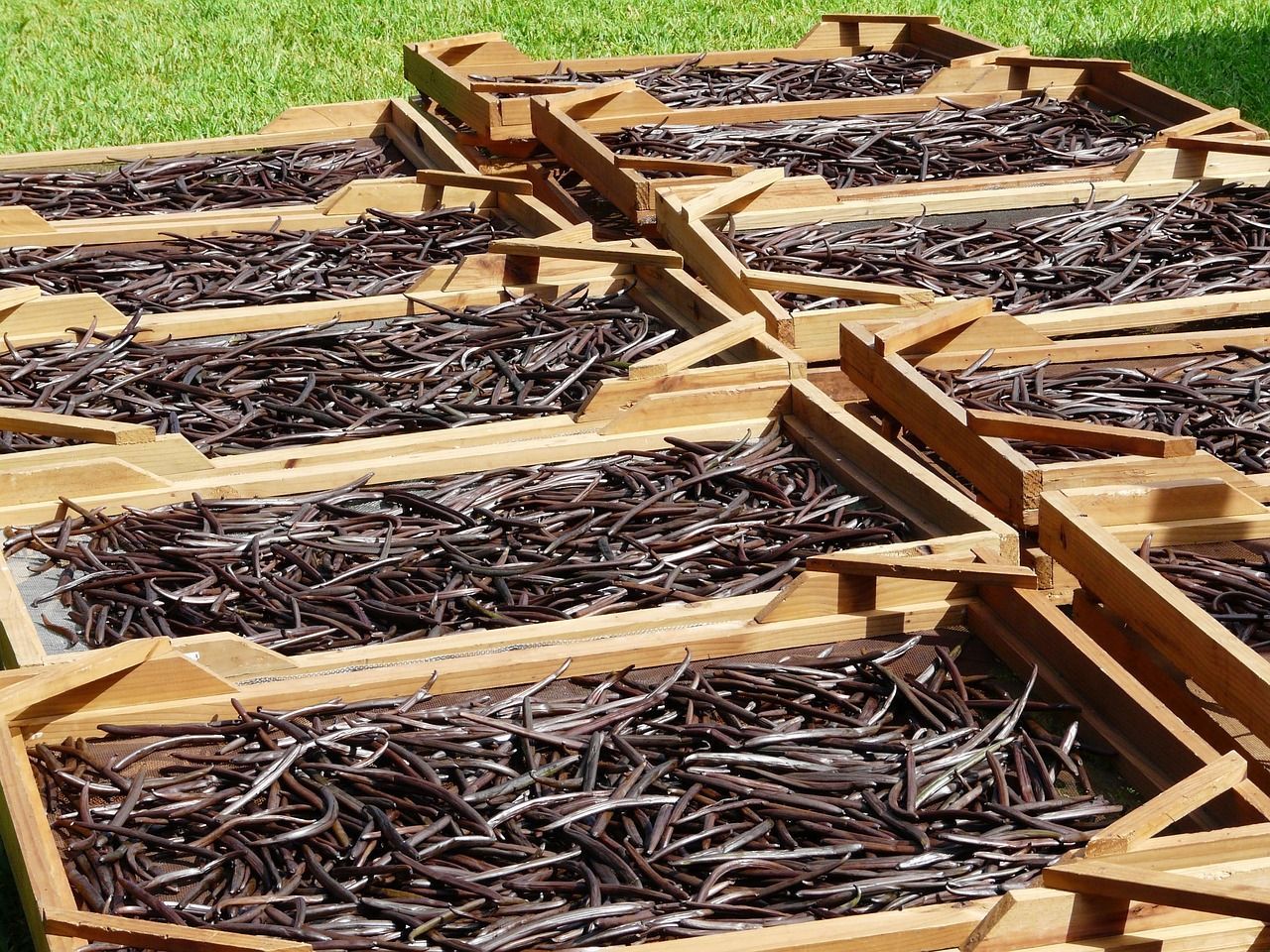
What sets vanilla planifolia apart from other vanilla-producing plants is the rich, full-flavored bean it creates. It’s the most commonly grown option for true vanilla pods, and it needs some time and attention to grow. But with a little patience, the results are sweet-smelling and worth it.
Ideal Growing Conditions for Vanilla in the Spring
The plant leans toward tropical conditions, which makes early spring in Florida a helpful starting point. If you're working outdoors, this is when soil temperatures begin to warm up and overnight lows stay comfortable enough for new root systems.
For best results, vanilla planifolia likes:
- Daytime temperatures between 75 to 90 degrees and mild nights
- Bright, indirect light (a bit of morning sun and some shade later works well)
- Humid air with steady moisture, but not overly wet soil
- Light, well-draining soil or bark-based media that allows roots to breathe
If you’re in a location that stays warm year-round, an outdoor setup will probably work fine, especially when planted in raised beds or protected corners. In cooler zones, indoor containers with humidity support and filtered light from south-facing windows can help the plant thrive. Whether potted or in garden beds, giving it something to climb early will guide its shape and growth from the start.
What to Look for in a Vanilla Planifolia Plant for Sale
When thinking about buying a vanilla planifolia plant for sale, there are some signs to watch for that can help avoid setbacks later. Start with the basics: a healthy plant will look clean, firm, and green.
Things we look for:
- Leaves that feel firm and show no yellowing or black spots
- Roots that are white or light green with no mushy or dark ends
- Vines that are upright and already wrapped or clipped for support
Once you bring the plant home, be gentle during replanting. Keep the roots intact and use a pot or area that drains quickly. Avoid crowding it with other plants. It's better to give it some open space and let the roots adjust before tucking it into a more permanent spot. Water after planting, but don’t soak, and keep it where temperatures stay steady.
Spring Care and Maintenance for New Plants
The biggest part of spring care is setting up a solid routine early. This helps the plant settle before strong summer heat arrives. Keep things simple and make small adjustments as the plant responds.
- Use loose, well-draining soil mixed with orchid bark or coconut husk
- Place the plant in partial shade with bright, indirect sunlight
- Keep humidity steady by misting lightly or placing near other plants
- Water when the top layer of soil feels dry but never let it sit in water
- Set up a support pole or trellis right away and tie the vine gently as it grows
Avoid the biggest early mistake: overwatering. Vanilla planifolia likes moisture but not soggy roots. If in doubt, wait a day and check the soil again. Mulching with shredded bark can help hold moisture without clogging drainage.
A balanced, light fertilizer once a month during the spring can encourage growth. Avoid heavy feeding early on. What the plant needs most now is a calm space, warmth, and protection from cold winds or sudden downpours.
Spring Growth, Long-Term Success
Starting in spring gives the plant a strong runway to grow before the big push of summer heat begins. That early head start means a more stable root zone, stronger vines, and better prep for flower production later on.
We’ve found that vines that get a calm, steady start tend to recover better when construction or re-staking happens later. From April through June, most of the growth will come from new shoots and tiny roots reaching out for a path. Trust the process. Vanilla doesn’t grow fast, but it does grow with rhythm once it settles.
If your plant stays healthy through the early weeks, what follows is a season's worth of steady energy. By keeping water, shade, and support on a steady routine, the plant gives back with cleaner vines, healthy leaf color, and, in time, the hint of fragrant flowers. When spring work is done right, the rest gets easier.
Ready to start growing your own vanilla in Florida? Now is the perfect time to set up with a healthy vine already adapted to warm, humid conditions. At Sunshine State Vanilla, we offer Florida-grown, virus-tested plants that thrive with early spring planting, giving you a reliable head start before summer. Our nursery-grown vines are ready to climb and settle in, making it easy to find the right fit for your space. For questions about getting started or care advice, just reach out to us or explore our
vanilla planifolia plant for sale.