
What Olive Trees Need to Get Started
Before choosing the month, it helps to understand what olive trees look for when they start out. These trees need a few basics to get going in the right direction. Thankfully, Florida meets a lot of those needs. That said, preparation is still important.
Olive trees prefer well-draining soil that will not hold heavy moisture. Their roots do not like to sit in wet conditions for long, which is why a dry-season planting window can be helpful.
Plenty of sunlight is a must. These trees thrive in full sun, so you will want to plant in an area that gets steady light throughout the day.
Young trees need time to settle in before being hit with extreme heat or a heavy storm season. Choosing a time when the weather is steady gives the plant a better chance to adjust.
The biggest issue we’ve seen is when new trees are put in during weather shifts. Days that bounce between dry and drenched, or cool and hot, can be hard on new roots. So the month you buy needs to set you up for the right kind of weather moving forward.
Why Late Winter Through Early Spring Is a Good Window
In Florida, February through April usually gives you a sweet spot for planting. This is when cool winter weather starts to fade, but the intense heat of summer hasn’t arrived yet. For young olive trees, those few months can offer just what they need.
- By late February, soil begins to warm up, enough that roots can take hold without the shock of cold ground.
- Springtime rain is often lighter and more spread out than the summer downpours, meaning the trees won’t be overwhelmed with water too early on.
- Flowering timelines often align better when trees are planted before mid-spring, giving them a natural rhythm to follow through the rest of the year.
In northern parts of Florida, it’s still smart to have some backup plans for cooler evenings, but most of the state sees more stable temperatures during this window. If you’re ready with a sunny spot, a drainage plan, and a young tree, this stretch of time gives you an early advantage.
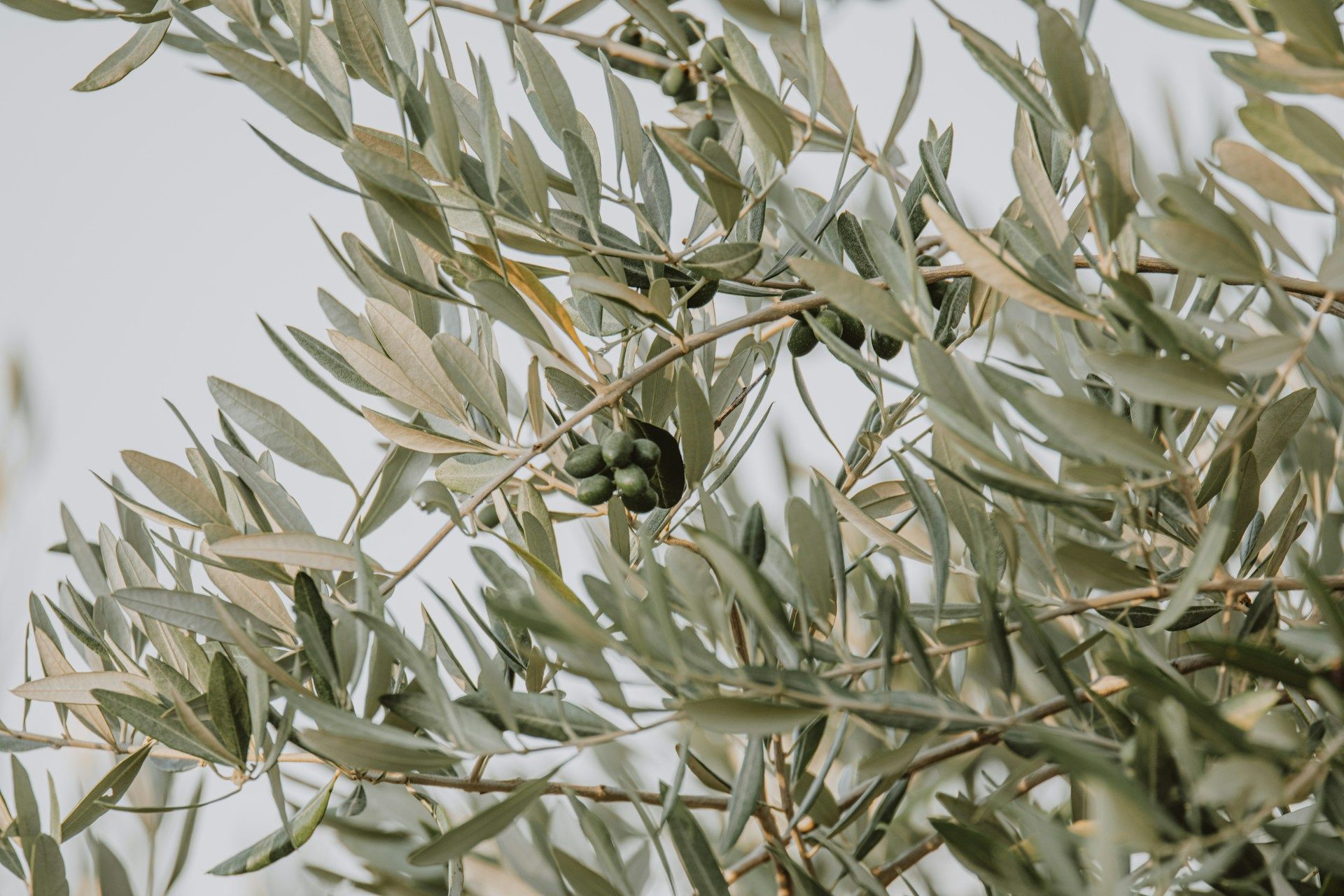
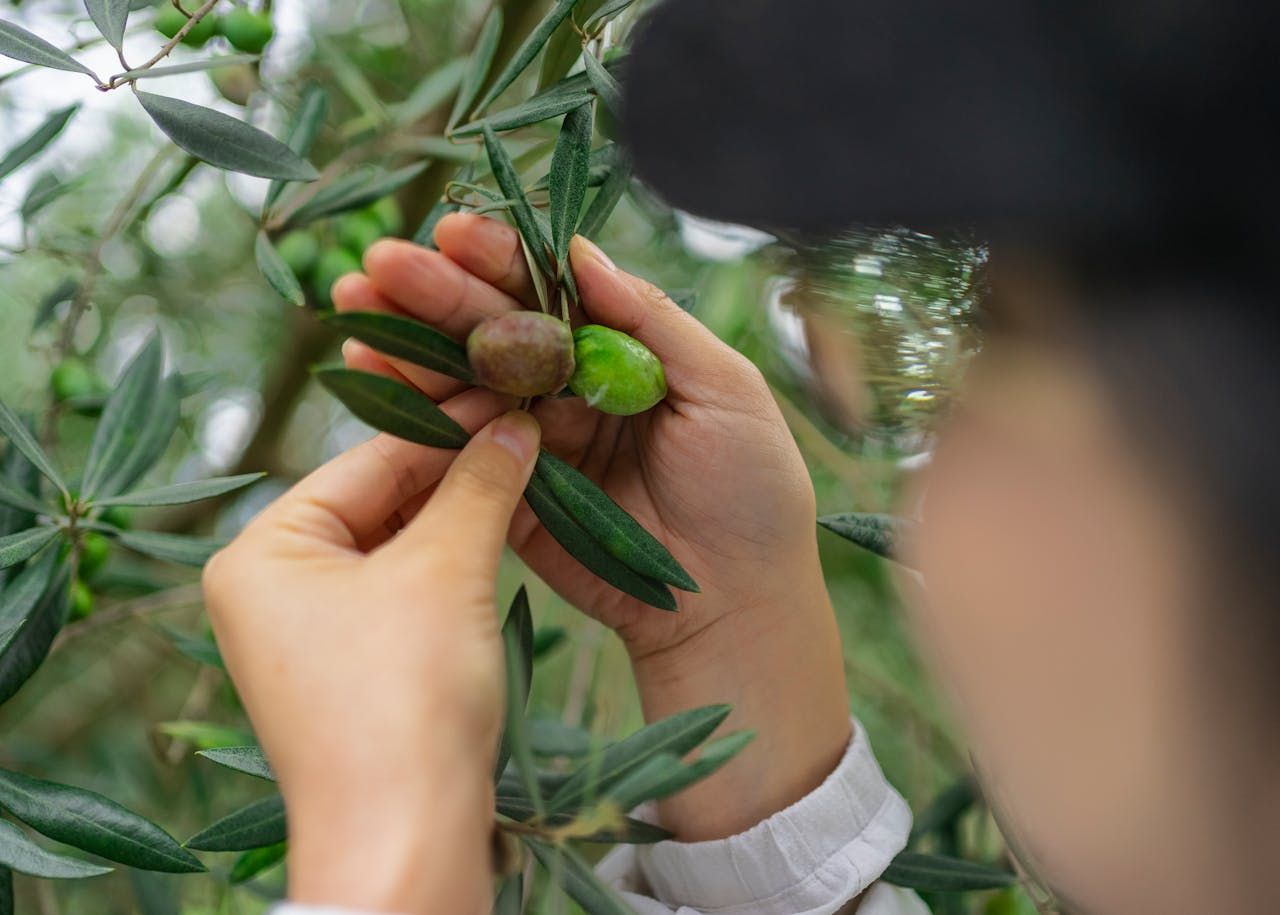
The Arbequina olive tree, which we offer at Sunshine State Vanilla, has adapted particularly well to Florida’s spring planting window. According to our product page, February to April is also when inventory is most consistent and shipping is most reliable due to mild weather conditions.
Months to Avoid When Planting or Buying
Not every part of Florida’s year works equally well. Summer might feel like a growing season, but it can be tough on fresh roots. From June through early September, heat and moisture combine in ways that are not always helpful for young olive trees.
- Summer rains come fast and hard, often water-logging new plantings before they have had a chance to root properly.
- The heat gets intense during midday, and fresh transplants can wilt fast if they are not fully established.
- High humidity can make it easier for root problems to take hold, especially if airflow is limited.
Fall might seem like a better option, but timing gets tricky there too. A tree planted in October might not have time to lock in roots before Florida’s hurricane season taps out and the cooler air returns. Florida winters are usually mild, but a sudden cold snap in December or January is still hard on any tree that has not had time to settle.
If you want the best conditions for growth, it often makes sense to wait out both the heat and cold and focus your efforts on the transition months instead.
Planning Ahead Before You Buy an Olive Tree
Once you know when to buy, the next step is making sure everything is ready for when the tree arrives. Rushing out to grab a plant and figuring out the details later can cost you growing time and create stress for the tree.
- Choose a space with full sun and room for good airflow. Check the area over several days to make sure it gets steady light.
- Clear the space ahead of time. Pull any weeds or plants that will compete with your olive tree for nutrients and space.
- Think about your weather forecasts during shipping. If you are buying from somewhere else, avoid weeks with extreme highs or lows on either end of the trip.
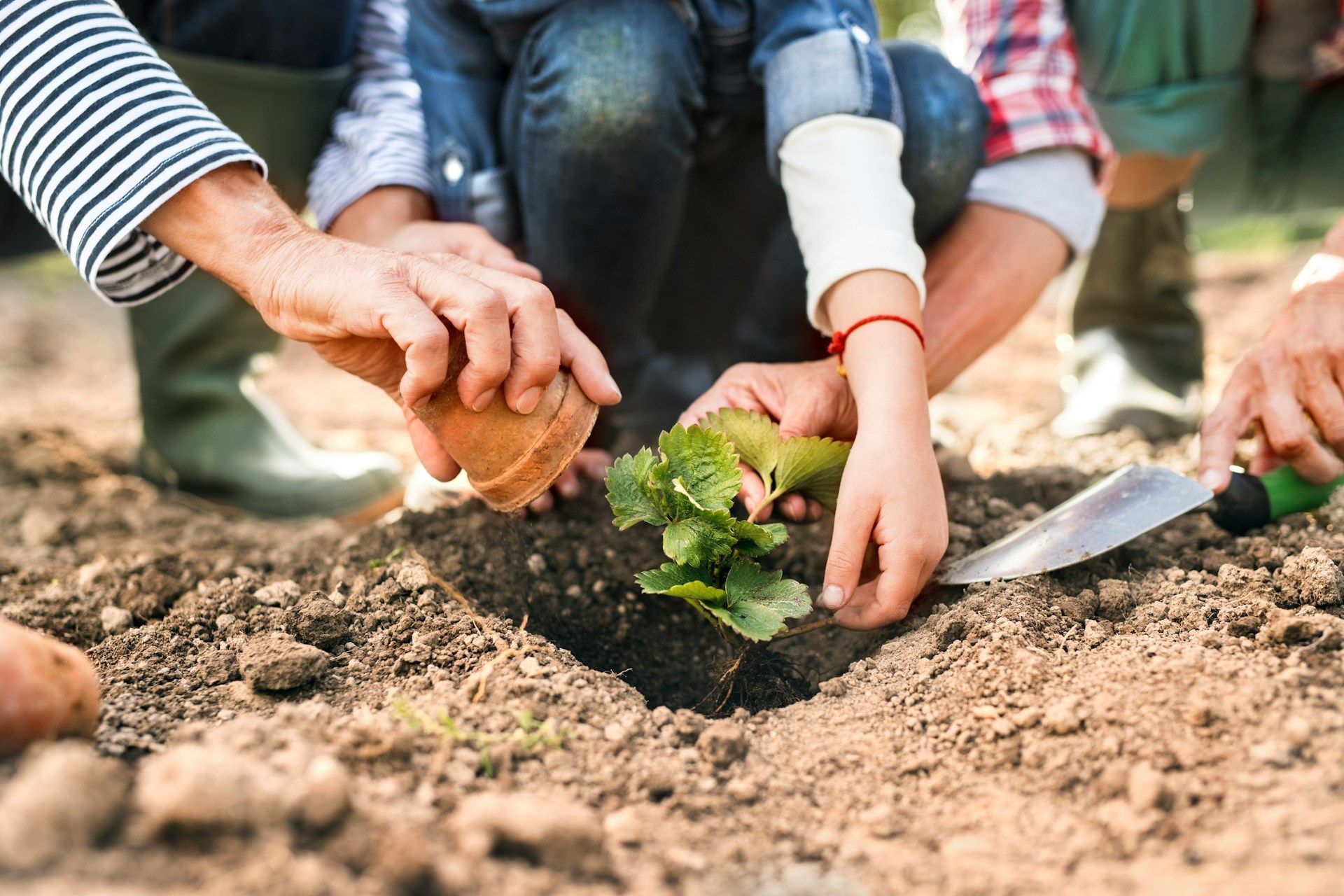
- Have tools and supplies ready: buckets for watering, mulch for root protection, and lightly packed soil that drains well.
Planning does not take long, but it gives the new tree a smoother start. You can avoid common setbacks that come from last-minute changes or unfit planting conditions.
Timing Makes the Process Smoother
Choosing the right month to buy an olive tree can make the whole process a lot easier on you and the plant. In Florida, where growing conditions are mostly favorable, the wrong season can still create problems that slow things down.
By focusing on months like February, March, or April, we give the tree enough time to root before the weather turns unpredictable. Getting ahead of the hottest part of the year removes so many early issues with water and heat stress.
Good timing does not just make planting easier. It sets the tone for the tree’s long-term health. When it gets a steady start, it is more likely to grow well, push out healthy leaves, and start producing in the years ahead. For growers who plan their schedule around Florida’s seasons, the payoff is a stronger, more resilient olive tree from day one.
Ready to make the most of Florida's planting season? Deciding when to
buy an olive tree sets the stage for long-term success in your garden. At Sunshine State Vanilla, we grow plants specifically for Florida’s unique conditions so your tree is prepared to thrive from day one. Have questions or want guidance before you get started? Reach out to us anytime.