
Growing turmeric in Florida takes time, warm soil, and enough space to let the roots spread. By late winter, many of us are checking our turmeric beds to see how the roots from last year held up and beginning to think about planting again. This is the moment we start making choices that shape the next crop.
One of the biggest growing problems we see is overcrowding. Turmeric does not like being boxed in. The roots grow out sideways in clusters, and if they do not have room, they stay small or become tangled. Above the soil, thick leaves can shade each other out, leading to poor airflow and weaker plants. If we plan ahead and give turmeric the space it needs, we will get better growth and stronger rhizomes by the end of the season.
Understanding How Turmeric Grows
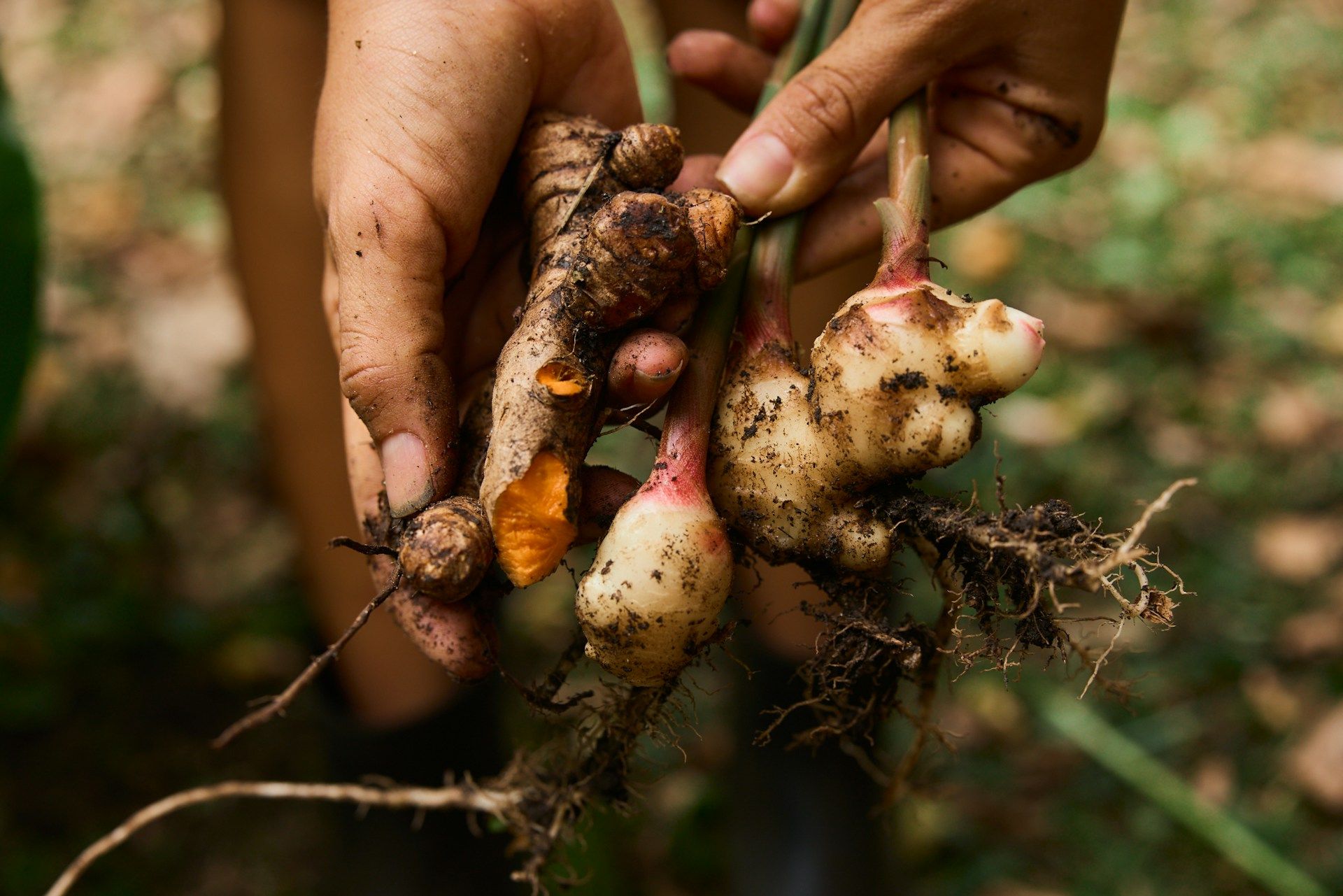
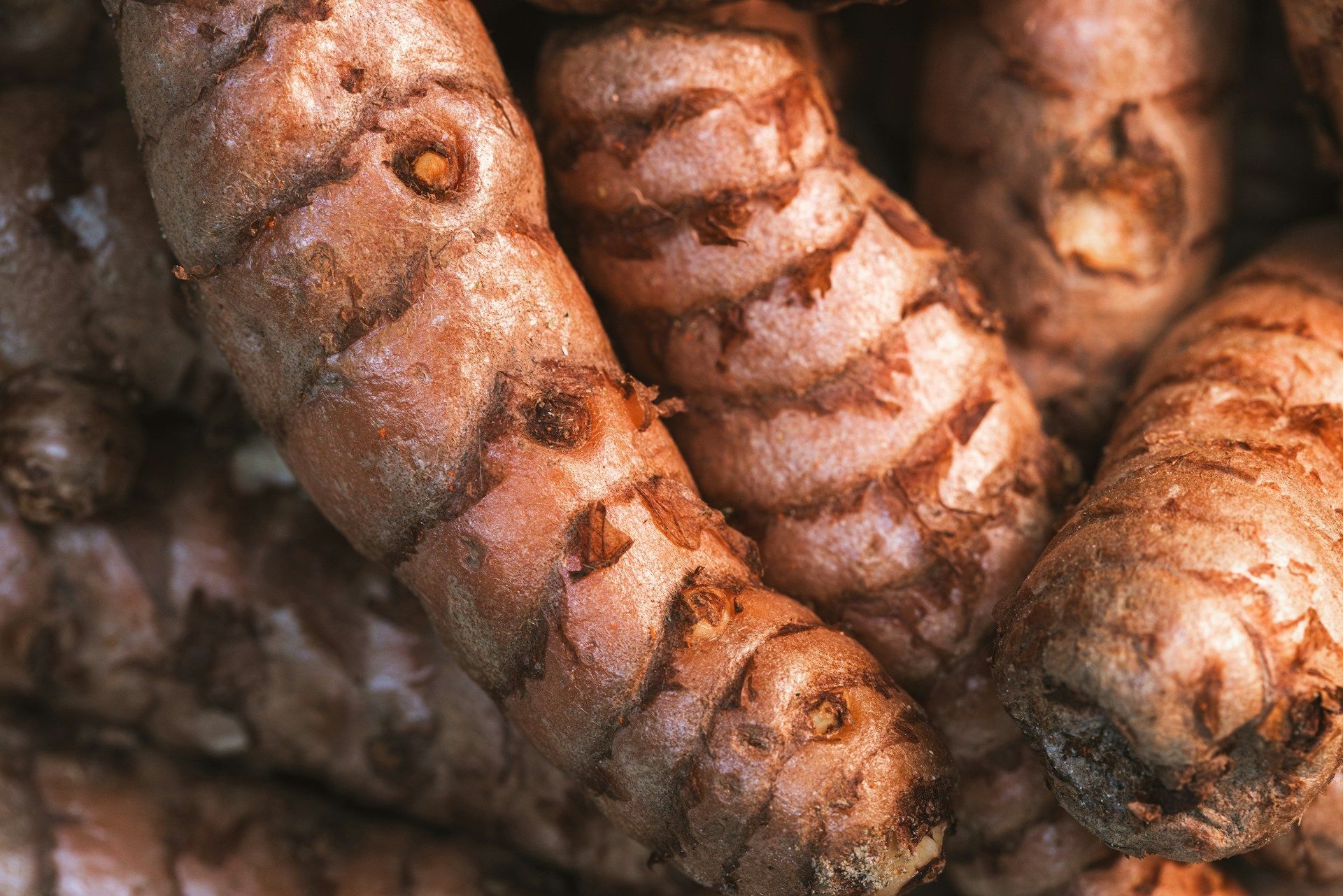
Turmeric grows from rhizomes. These are stubby, finger-like roots that sit just below the surface, spreading through the top layer of the soil. Over months of heat and rain, they grow wider and begin forming new knobs that can be harvested or replanted. That growth happens in every direction under the dirt, not just down.
Crowded beds cause roots to fight for water and nutrients. If the soil is stretched too thin, the plant spends more energy competing than growing. Along with crowded roots, dense leafy growth above the ground can make things worse. If the leaves overlap too much or create a wet, shaded environment, that can lead to fungus or slow leaf development.
New growers often tuck in too many starts without realizing how large turmeric wants to grow. This is one of those crops where more space often means more harvest later on.
Picking the Right Place to Plant
Where you plant turmeric matters just as much as how you plant it. We have learned that loose, rich soil gives the best results. Roots in packed soil will not spread, and wet, soggy dirt puts the crop at risk of rot.
Here is what we keep in mind when choosing a planting area:
- Pick spots that do not waterlog after summer storms
- Choose areas that get partial sun if Florida's heat gets extreme mid-season
- Use raised beds or make wide rows if space allows, giving each plant room to fill out
Turmeric likes to stretch. That makes wider spacing a smart move. When each plant has enough elbow room, the leaves get big, and the roots do not twist around each other or push up against the bed’s edges. This kind of open setup helps avoid weak or moldy growth during Florida's sticky summer months.
Timing and Transplanting to Prevent Overlap
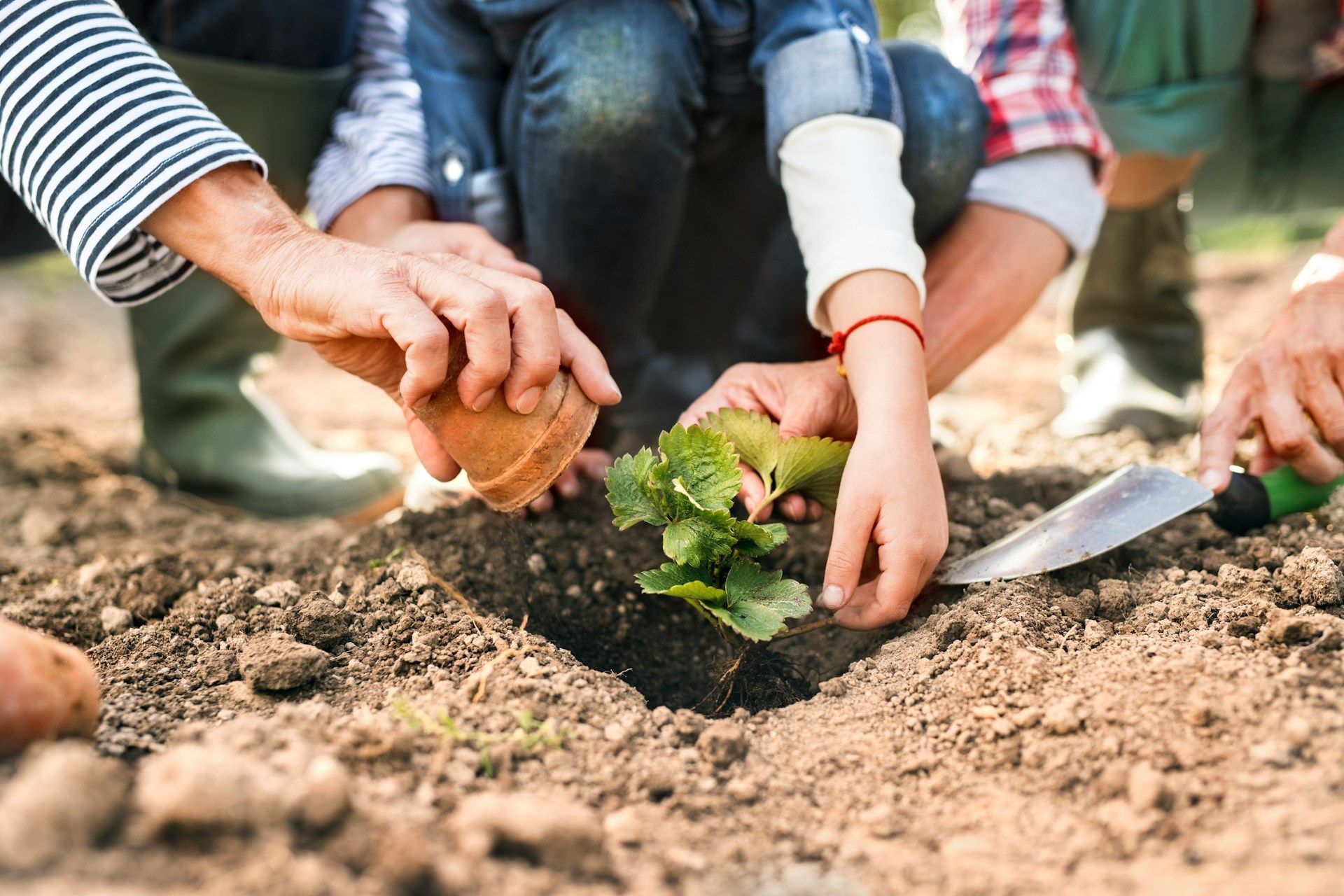
We always start turmeric using small pieces of rhizome that already show a bud. Some growers think planting big chunks will give bigger plants, but crowding multiple buds in one hole stops each one from getting the airflow and surface space needed for leaves to take off.
Instead, we:
- Start with one good sprouting piece per mound
- Avoid planting them too close together, giving at least 12 inches between each start
- Thin out any early shoots that pop up too close together around late spring
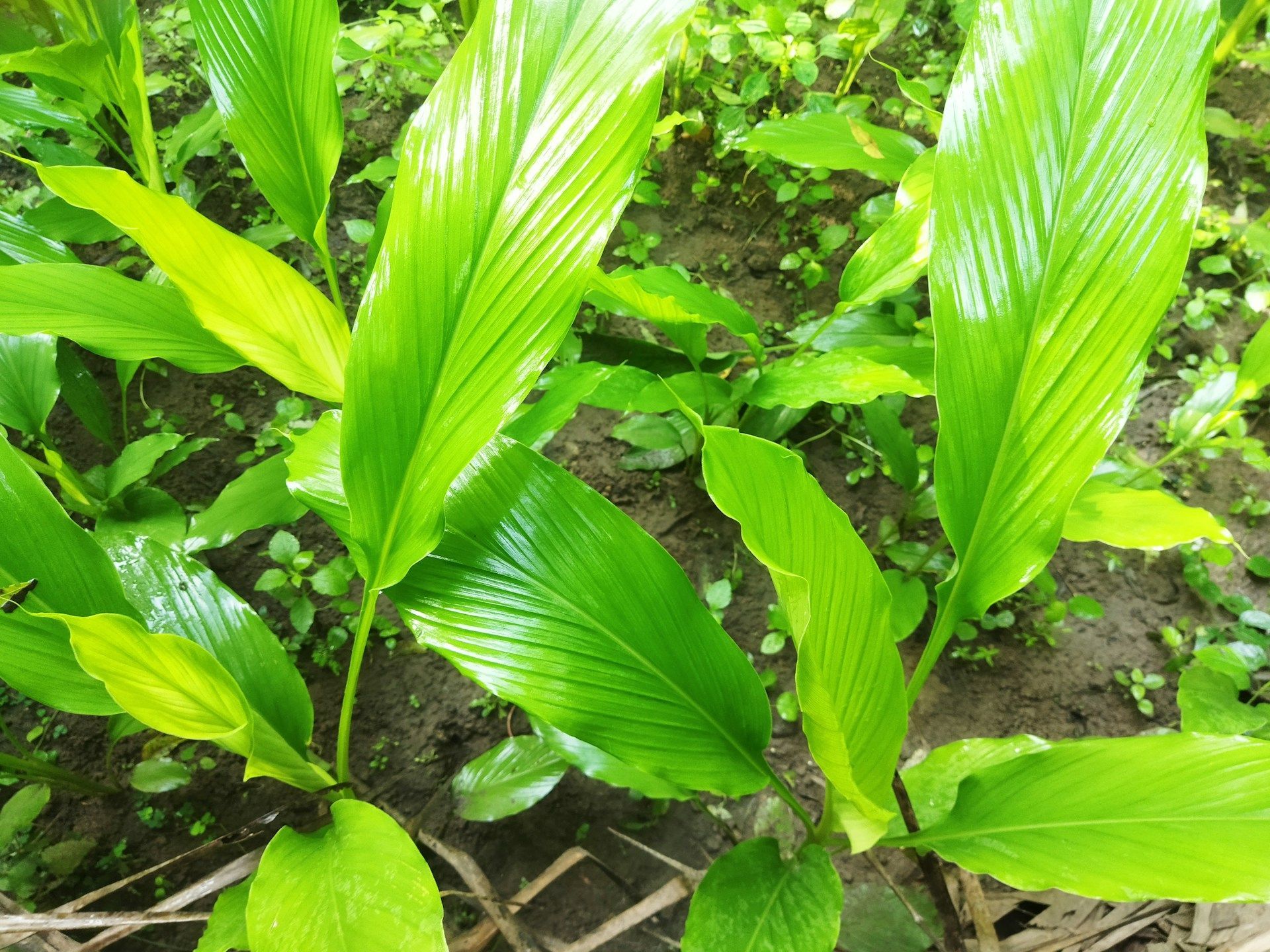
As the weather warms, turmeric sends up long green leaves. This is when the young sprouts can start pushing on each other if they are too close. If we check on them early, we can remove the extras and replant elsewhere before their roots settle in. This helps keep the rest of the bed open and balanced as the plants bulk up through summer.
Watching Your Beds During the First Few Months
The first few months after planting are when space issues start to show. By mid to late spring, we walk our beds every couple of weeks looking for signs that the shoots are cramping each other.
Some things we have learned to spot:
- Leaf tips curling or turning pale
- Plants leaning against each other without room to stand tall
- Shallow or thinning leaves caused by plants fighting over light
At this stage, it is still possible to gently dig out small plants and shift them somewhere else. Pulling a few now means we do not lose yield later. It also lets air and light move better through the rest of the bed.
We keep weeds down from the start. Any early competition in the soil makes it harder for turmeric to claim the food and space it needs. Hand pulling weeds regularly gives turmeric the clear ground and quiet growing time it prefers.
Smart Harvesting and Saving for Next Season
When harvest comes around in late fall or early winter, we take our time digging. Clusters that grew too close can be small, twisted, or sitting on top of one another. If that happens, some of the best roots might get damaged while trying to pull the whole clump out.
To prevent future crowding, we:
- Choose only middle-sized rhizomes that grew freely last season
- Avoid saving any that look tangled, split, or weak
- Spread leftover plants out before replanting so no old beds get packed with leftovers
Cleaning the space after harvest is also a good habit. Leaving small pieces of rhizome behind can cause next year's sprouts to pop up too close. Emptying beds fully, tilling the topsoil, and smoothing out the space before next spring sets the stage for a better layout.
Get Bigger, Better Growth With the Right Space
Turmeric grows slowly and needs room to do it well. If plants feel trapped from the start, they do not finish strong. Taking time at the beginning of the season to space your starts and watch them closely means better results at the end.
If we want clean, full roots that are easy to pull and worth saving, we have to give them space to form naturally. Better spacing leads to less disease, fewer pests, and an easier harvest. When we treat turmeric like the wide-spreading plant it is, we get a better return with less effort. Over time, we have found that a little planning goes a long way.
At Sunshine State Vanilla, we know the right starter plants can make all the difference when growing turmeric in Florida. Our carefully grown varieties thrive in local heat and humidity, and we maintain clean, well-spaced beds to grow strong, healthy roots. You will see a noticeable improvement in your harvest when you begin with pieces that have room to grow. Explore our current stock of
growing turmeric in Florida and give your garden beds a strong start this season. For planting advice or help selecting the right size, reach out to us anytime.