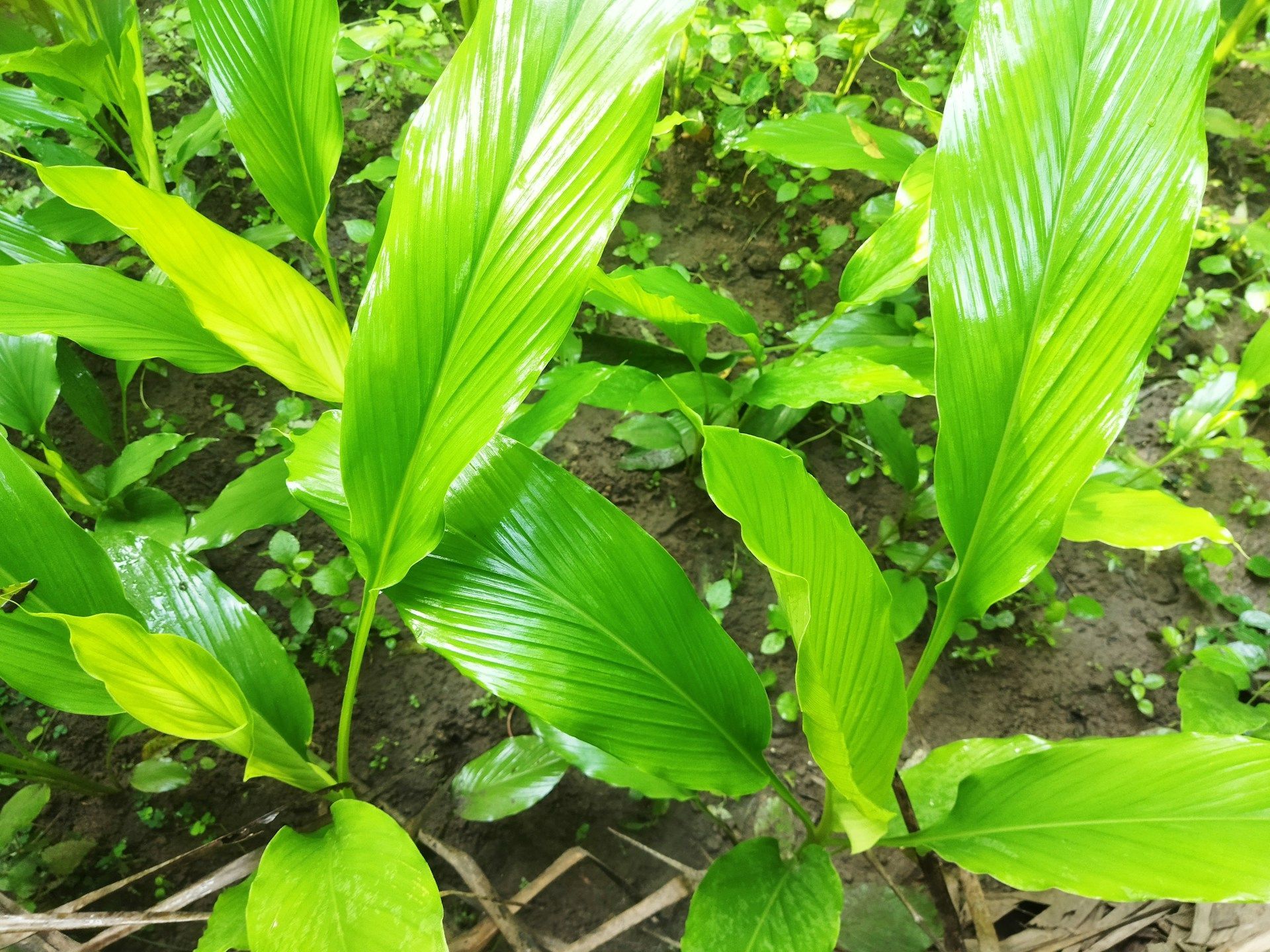

Turmeric farming is picking up momentum across Florida, especially as more growers look for ways to manage the state’s warm, humid conditions. Spring brings longer days, higher heat, and quick weather shifts that can affect how turmeric grows. While it might seem like full sun would be best for most plants, turmeric actually prefers something a little gentler.
Turmeric farmers in Florida know this well. That’s why many have turned to shaded rows as a steady part of their spring routine. Unlike crops that enjoy constant sunlight, turmeric grows best in softer light that mimics its natural forest habitat. Figuring out the balance starts with understanding the type of shade turmeric needs and when to use it throughout the season.
Understanding Turmeric's Natural Habitat
Turmeric originally comes from tropical areas, where it grows low to the ground under taller plants and trees. That environment gives it regular warmth, a fair amount of humidity, and indirect but steady light.
In Florida, we’re lucky to have the warmth and humidity part covered during spring. But sunlight can be intense here, especially by late April. Direct exposure day after day can stress out the leaves and slow down root growth.
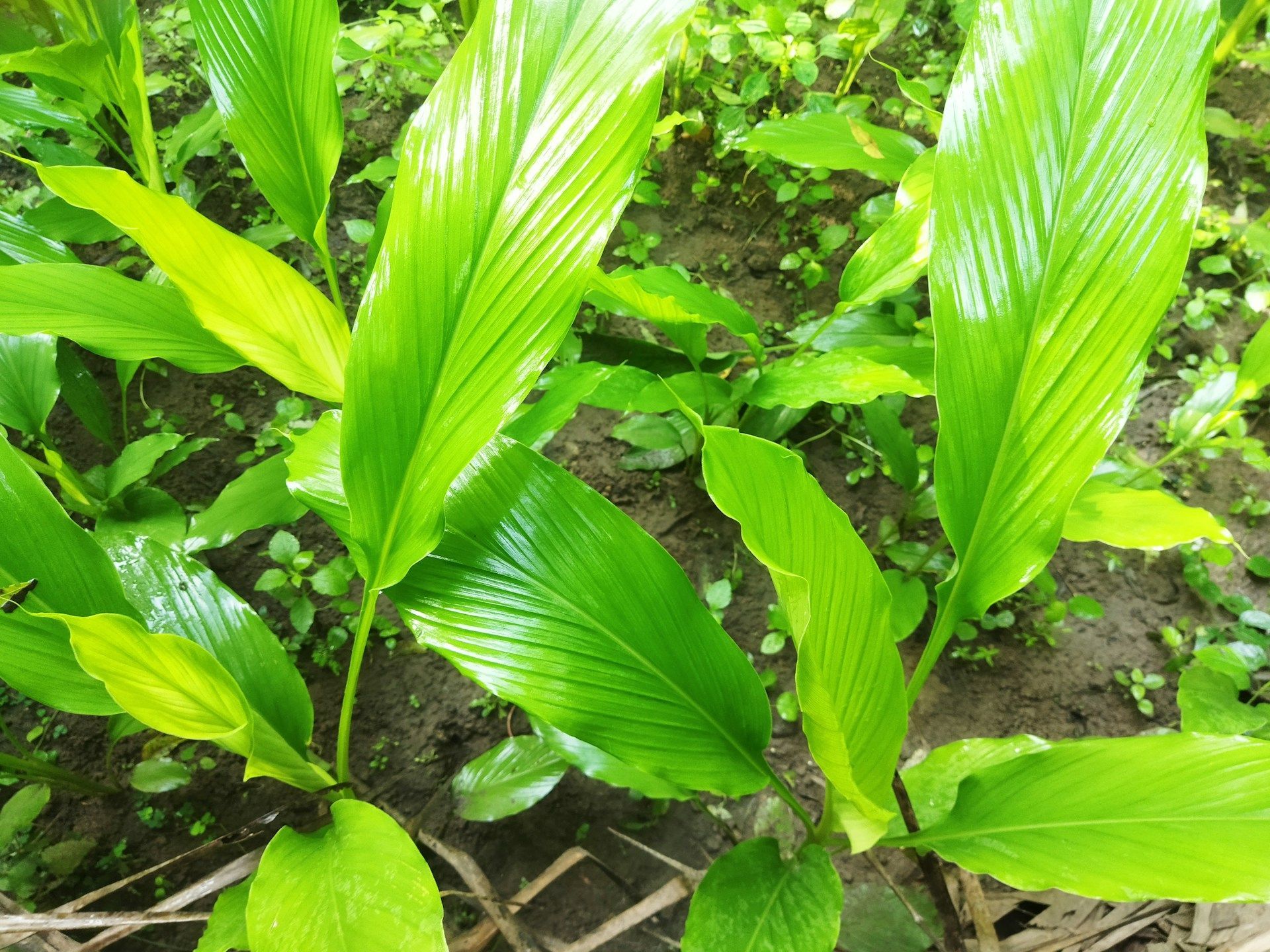
Filtered sunlight from a shaded row works better. It softens the intensity while still giving the plant what it needs to grow. This kind of light pattern helps turmeric stay closer to the conditions it’s familiar with in its native setting. When that match is right, you get stronger plants and healthier rhizomes.
Why Shade Improves Plant Health and Yield
We’ve seen firsthand how shaded rows help turmeric crops build steady growth from the start. Early spring light might not seem damaging, but in Florida, those slightly longer and brighter days can cause early-season stress. Young turmeric leaves are delicate and respond quickly to both heat and light changes. Without some form of cover, they can scorch or dry out.
Using shade helps in a few specific ways:
- It cuts down on direct sunlight that can burn young leaves.
- It keeps soil from drying out too fast, which helps the roots stay healthy.
- It evens out temperature swings between morning and afternoon, which supports smoother growth.
Turmeric thrives when temperatures don’t swing wildly between day and night. A shaded row acts like a small buffer, making conditions more stable and giving the plant a better shot at growing strong, fibrous roots.
Shading Methods Used by Florida Growers
Shading doesn’t have to be overly complex to work well. Many Florida growers keep it simple and consistent. The method depends a lot on the size of the farm and the space available around the planting beds.
Some of the most common techniques include:
- Stretching shade cloth over rows to block part of the direct light.
- Planting turmeric near taller crops like pigeon pea or banana, which provide light cover.
- Leaving sections of land near tree lines or using natural tree shade during certain parts of the day.
Some growers rotate their shade setups depending on how the sun hits their property in spring and summer. Simple changes like moving cloth setups or slightly tilting rows can make a noticeable difference. The key is creating soft shade that shifts with the plant’s growth, not complete darkness or heavy cover. Low-tech can go a long way when it's used at the right time.
Timing Matters: Spring Set-Up Strategies
Mid-spring is when things really start moving. For turmeric growers in Florida, that means getting rows ready before the hottest part of the season kicks in. Around early to mid-April, the beds are already prepped, and shoots are either planted or starting to emerge. This is exactly when shade makes the biggest difference.
Here’s what we’ve learned works best:
- Place shading early, even before the plants break through the soil fully.
- Angle cover to account for afternoon heat, which tends to be the strongest.
- Avoid timing mistakes, like installing systems too late when damage has already started.
Once the plant is established, it becomes a bit more resilient. Still, starting with the right light control sets the tone for the rest of the spring. Skipping shade or putting it off for too long leads to stressed plants and slower recovery.
Challenges and Adjustments Over the Season
Spring weather in Florida isn’t always steady. One week can feel like summer, and the next brings heavy rain or strong winds. That’s why growers stay ready to adjust their shade methods during the season.
A few moving parts to keep in mind:
- Wind can pull up fabric covers, so they need to be checked often.
- Too much rain can weigh down material or encourage mold if airflow is blocked.
- Pests may find comfort in closed, dark spaces, so farms need to allow light circulation.
Sometimes we shift covers a few feet or open the sides during cooler days. As temperatures climb into late spring and feed into summer, we reassess what the crop needs. Shade needs might drop slightly, or they may need to move higher above the rows to allow more air. It’s not a one-and-done setup. It grows alongside the plant.
Shaded Rows, Stronger Crops
By planting with shade from the beginning, we give our turmeric plants what they need to grow in Florida’s bright spring climate. Turmeric farmers in Florida rely on shaded rows because they’ve seen, season after season, how it leads to better root health and more reliable harvests.
Spring heat shows up fast here, and preparing for it early makes all the difference. Keeping an eye on sunlight, spacing, and airflow helps our crops adjust as weather shifts from warm to hot. Thoughtful spring planning now leads to stronger plants and sets us up for a smoother growing season ahead.
Looking to dive deeper into the world of turmeric farmers in Florida? At Sunshine State Vanilla, we're passionate about sharing our expertise and insights on cultivating this vibrant spice. Whether you're interested in learning more about optimized shade techniques or our on-the-ground experiences, we're here to help. Reach out today and see how our practices can enhance your own turmeric growing journey.