
Florida’s spring comes in fast. One week it's cool and breezy, and the next, the sun is heavy and the afternoons are hot. For anyone growing turmeric, this shift can make or break early growth. These seedlings are tropical, but that doesn’t mean they handle sudden heat well, especially when they’re still small and finding their footing.
If you’re already growing turmeric or about to get started, the last few weeks of winter give you a head start. What we do now makes it easier for seedlings to adjust as the sun sticks around longer and the soil starts warming up. Setting them up right won’t just help them stand up to spring heat, it’ll get them ready for what summer will throw at them too.
Picking the Right Spot Before the Heat Hits
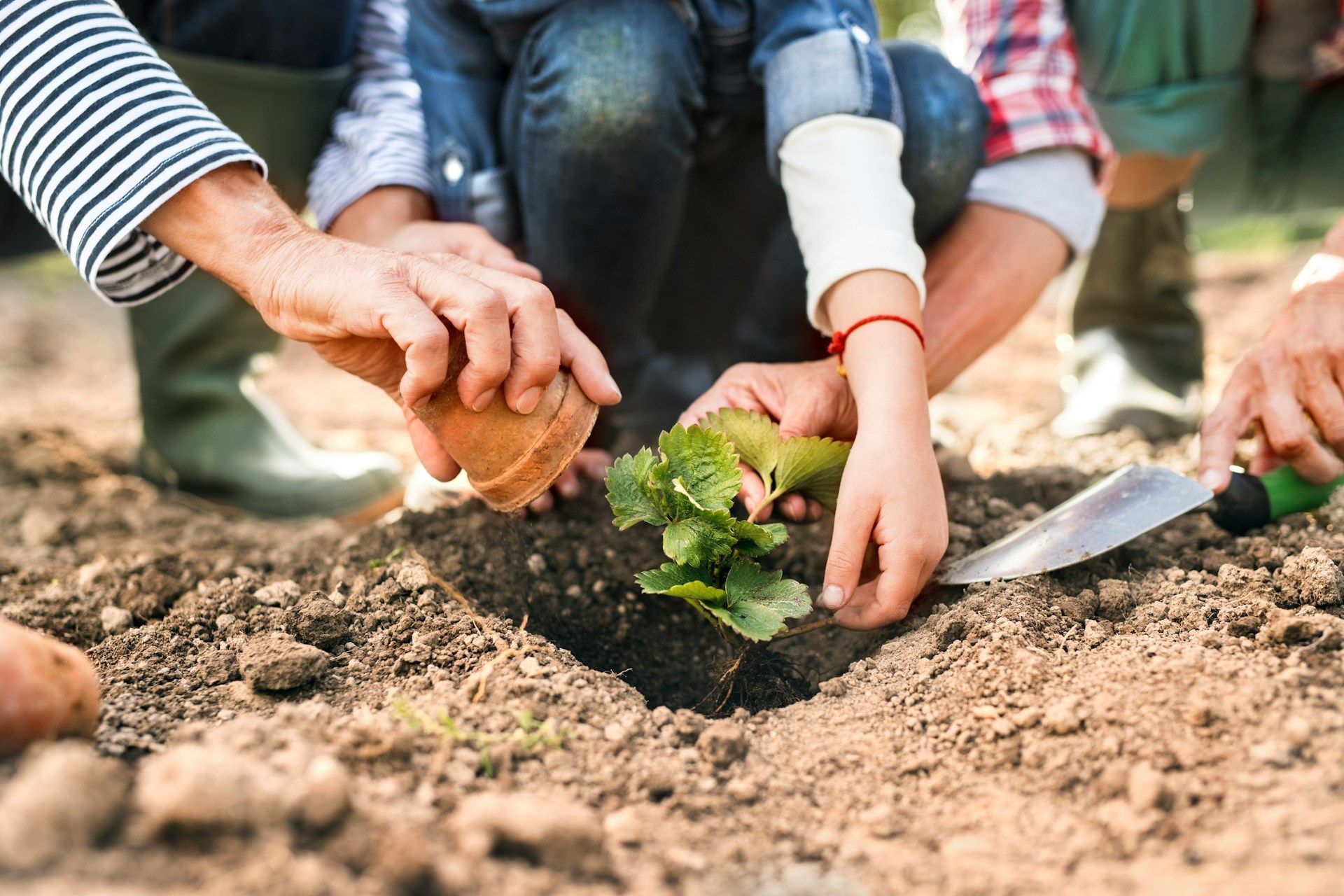
Where turmeric seedlings grow matters a lot, especially as temperatures rise by late March. Full sun might seem like the obvious choice, but young plants can burn out quick without breaks from strong light. A little planning now can prevent a lot of stress later.
- Try to pick a spot with partial sunlight, especially in the afternoons. Under a tree canopy or next to a structure that casts filtered light can work well.
- Good air movement helps keep moisture from building up and stops leaves from rotting, but make sure the plants aren’t getting hit with constant wind either.
- Think about spacing before the plants start stretching. Leave enough room for growth, airflow, and easy access so they’re easier to water and care for when it’s warmer out.
Even a small shift in location can help prevent heat-related wilt once the days warm up. It’s a lot harder to fix sun damage than it is to avoid it.
Water and Drainage Habits to Set Early
Turmeric likes water, but it doesn't like sitting in soggy soil. In Florida, where rain can arrive suddenly and stay for days, making sure the soil drains well becomes a big part of keeping the roots healthy. Spring rains can be heavy, so now’s the time to check how the ground handles water.
- Test drainage by watering lightly and checking if the water pools or soaks in quickly. If it just sits, you might need to loosen the soil or raise the bed.
- Water early in the day, while temperatures are still low. This gives leaves time to dry out, cutting down on the chance of fungus once humidity rises.
- Use light, regular watering rather than deep, infrequent soaking. It helps young turmeric focus on building strong roots before the top growth kicks in.
By starting with good water habits, the plants won't have to struggle every time Florida gets a sudden warm spell mixed with sticky air.
Feeding Seedlings Without Overdoing It
Once turmeric seedlings are about six inches tall and showing a few sets of healthy leaves, they might be ready for extra support. But that doesn’t mean they need a full-strength feeding right away. Starting slow is better than doing too much too fast.
- Use light feeding first. A gentle liquid fertilizer can be diluted even more than the label says. This helps the plant ease into it without stressing the roots.
- Watch for new growth. If leaves are small or pale, that might be a sign they’re ready for more nutrients. Growth that’s lush and rich green can usually wait.
- Avoid feeding dry plants or during the heat of the day. Moist roots take in nutrients better, and cooler mornings help lower the risk of leaf shock after feeding.
Getting the balance right means your turmeric will ease into spring instead of shooting up too fast and falling flat once the heat sets in.
Preparing for Mulch, Heat Cloth, or Light Shade Covers
As the tail end of spring gets closer, the soil starts holding heat. That’s not always a good thing for shallow roots trying to stay cool. Setting up something now to protect the base of your turmeric helps keep everything more stable, no matter what the weather does next.
- Mulch does a lot. It keeps soil moisture steady, cuts down on weeds, and shields the base of the plant from heat bounce. Use something light and natural like straw or dried leaves.
- A basic shade cover can help a lot once we get into late spring. A thin cloth or screen placed over the plants during the midday stretch gives the leaves a little break from strong overhead sun.
- If you already have these supplies handy, get them in place early. Building the protection gradually lets your turmeric settle in instead of having to adjust all at once.
By mid to late April, these small steps can make a big difference, especially if the heat creeps in faster than we’d hoped.
Keeping an Eye on Growth and Signs of Stress
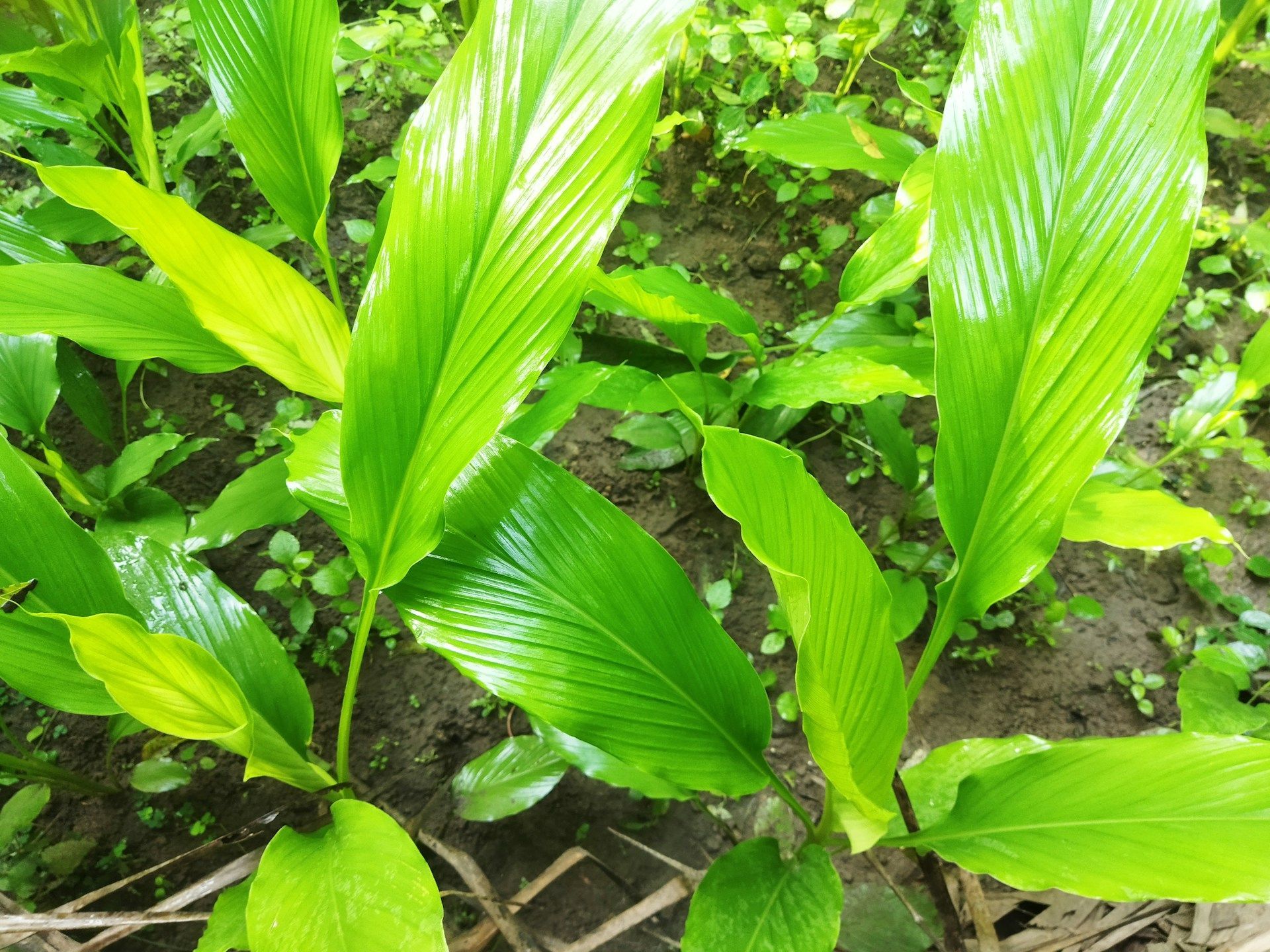
Turmeric won’t always tell you it’s too hot with a wilt or brown spot. Sometimes the signs are small, like curled leaf tips or a pause in growth. Getting used to checking the plants each morning can help you catch issues before they become real problems.
- Watch the color and shape of leaves. Yellowing or curling could mean too much heat, not enough water, or that the roots are struggling.
- If new leaves suddenly stop showing up or growth feels stalled, it might be time to check drainage or look at your feeding rhythm.
- Keep a small log of what you see. Even just jotting down when you water or what the weather’s been like can offer clues next season when you’re planting again.
We can’t control the weather, but we can pay enough attention to adjust when things shift earlier or faster than normal.
Give Your Plants the Best Start for Summer
As spring settles in, it’s small choices and daily care that help young turmeric plants stand strong through Florida’s warmer months. Things like spacing, shade, and water timing don’t take much effort, but they go a long way when the heat kicks in.
Stay steady with your care, keep the schedule simple, and check in on your plants often. Heat in our region can jump quickly, but when we set things up early, our turmeric is better prepared to handle the pressure. A good start now makes it easier to keep everything on track into summer and beyond.
Warmer days are on the way, and giving your seedlings the right support now sets them up for a successful season. At Sunshine State Vanilla, we know that early care in Florida makes a real difference, from placement to watering and everything in between. Need strong starter plants? Our
turmeric is already prepared for the shift into spring. Reach out to us anytime with questions or to start planning your next steps.