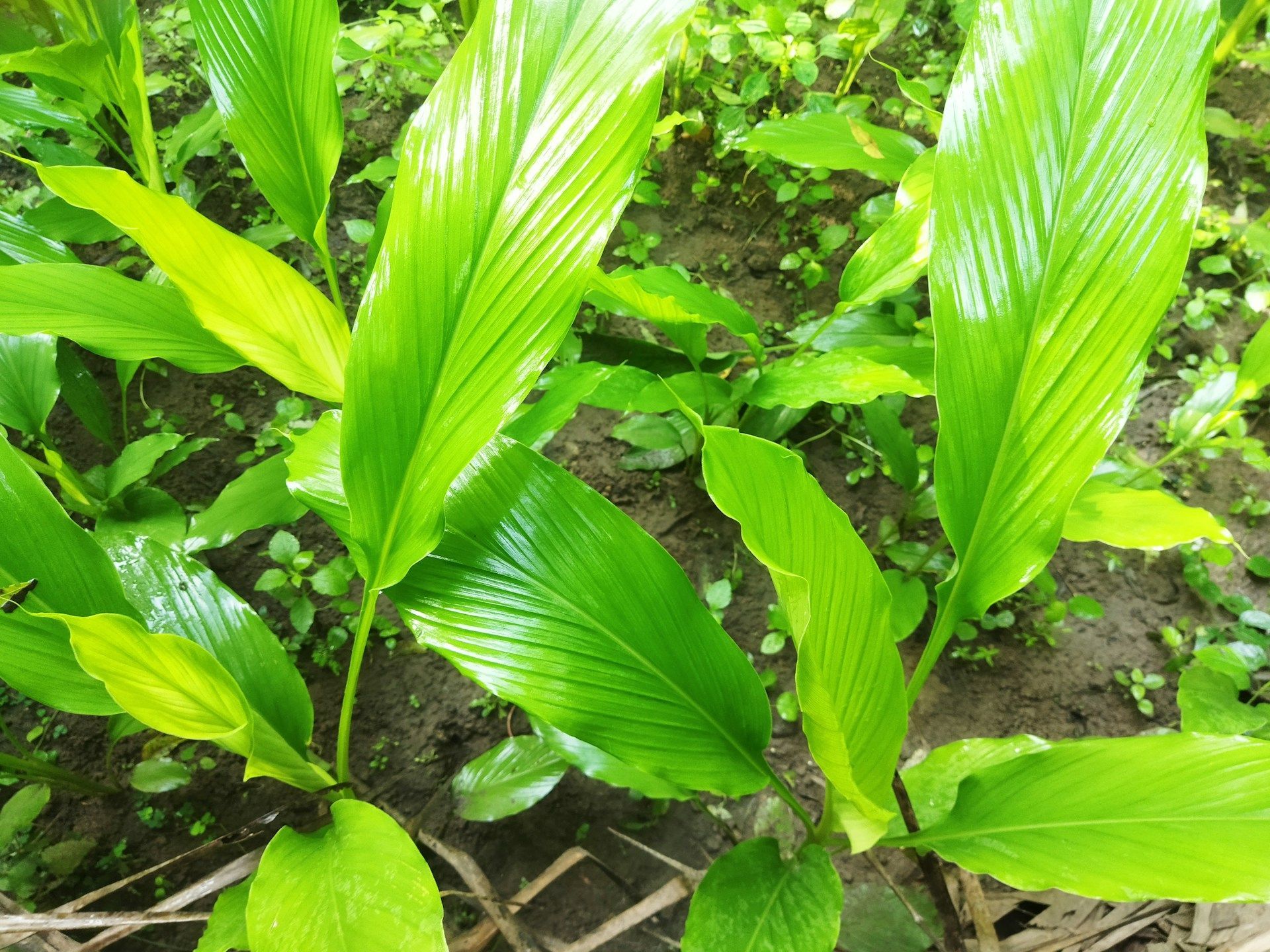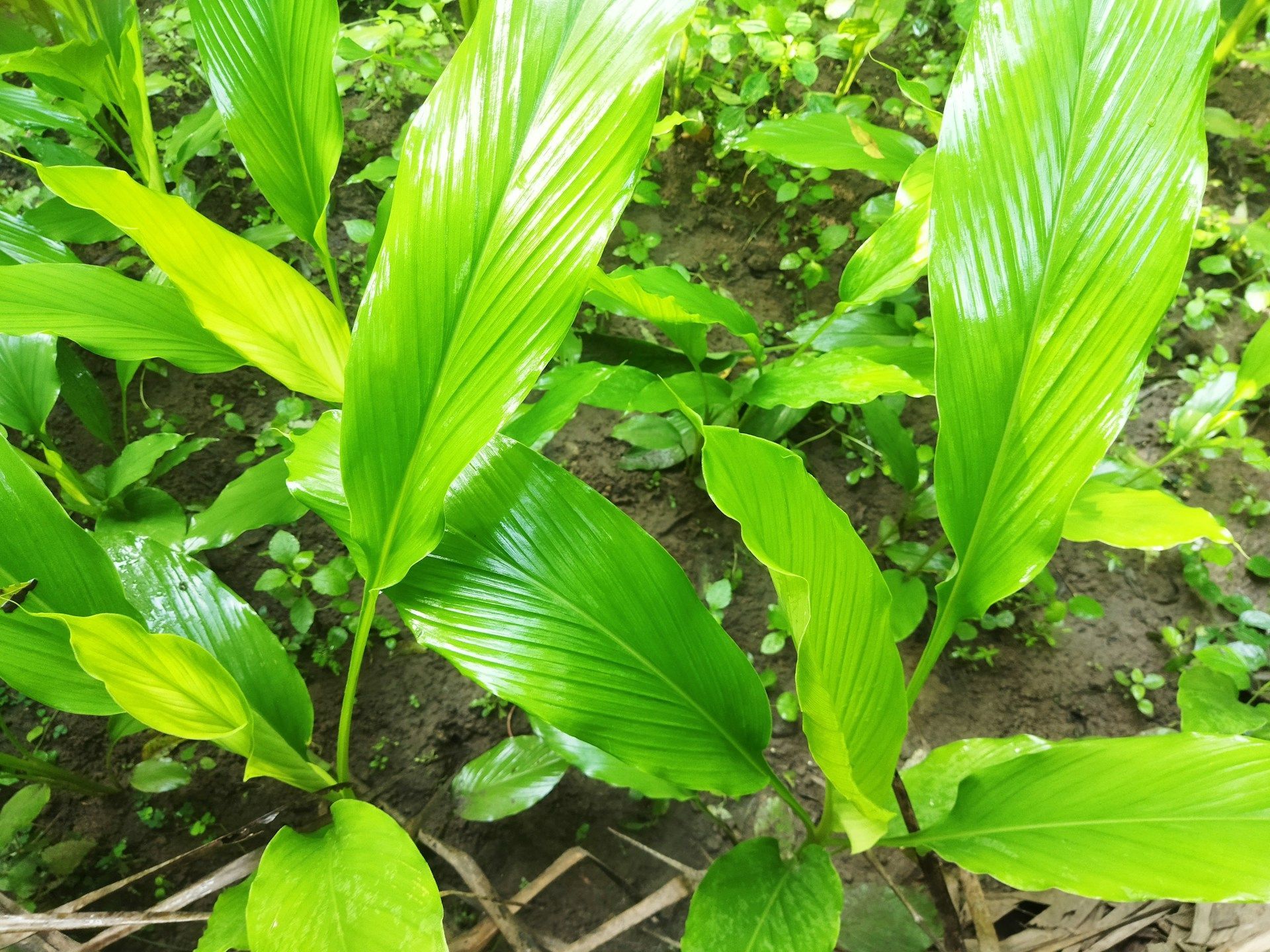

Fresh turmeric is bold in color, earthy in flavor, and packed with natural oils that make it a favorite in cooking and natural remedies. But if it is not stored the right way, it dries out fast. And once it shrivels, it loses that fresh taste and texture we rely on. Around early spring in places like Florida, the extra warmth and higher humidity may speed up spoilage. That shift from cooler winter air to warmer spring breezes makes it harder to keep fresh turmeric from drying out too quickly on the shelf or counter.
Whether you have harvested your own turmeric or picked some up fresh at a local shop, keeping it in good shape starts on day one. We have worked hands-on with plenty of homegrown roots, and we have learned how a few small changes can make a big difference.
Tips for Storing Fresh Turmeric at Room Temperature
Fresh turmeric can hold up for a few days at room temperature, but it depends on how and where you leave it. Not every setup works well. If it is left under direct sunlight or loose on the kitchen counter, it will dry out overnight.
Here is what has worked for us:
- Leave turmeric in a spot that stays shaded and dry, like a cool shelf away from windows, sunlight, and vents.
- Use a breathable bag or brown paper to keep the turmeric from sweating, which can help avoid mold.
- Avoid sealing it in plastic without airflow. With the Florida heat kicking in by April, that can turn it damp fast.
We do not recommend keeping turmeric at room temperature for more than three or four days without checking it. Once it starts to lose firmness or change color, it is time to move it to cold storage.
Best Methods for Cooling and Refrigerating
Fridges are a solid option once the spring temperatures start climbing. But just tossing turmeric in the fridge without preparing it makes it spoil quicker. Wrapping it the wrong way traps moisture and encourages mold, even inside a cool drawer.
Here is how we prep it:
- First, brush off any dirt but do not wash the turmeric before cooling. Extra moisture clings to edges and speeds up mold.
- Wrap the roots loosely in a paper towel, then place them in a breathable bag, like mesh or loosely folded wax paper.
- Tuck the wrapped turmeric into the vegetable drawer where air is still but a little moisture stays in the air.
Check once a week to swap out damp paper towels or clean any spots that look soft. Keeping that low-airflow spot fresh goes a long way toward keeping turmeric firm and full of flavor as the weather outside heats up.
Why Moisture Balance Matters
When turmeric dries out, it becomes tough, shriveled, and hard to cut or grate. But too much moisture can be worse. Mold is a common problem, especially during spring when the humidity swings up and down.
To get the balance right, we do this:
- Always dry turmeric before storing by patting it down with a cloth or paper towel.
- Use only lightly damp material when wrapping, if at all. This helps avoid that soggy texture that often leads to rot.
- Position it so air can move just a little, which keeps the skin from staying wet for hours.
And what signs do we look for when things are not going well?
- Dark spots or areas that feel soft or slimy.
- A sour or stale smell.
- Roots that bend too easily or feel hollow.
When we see these changes, we know the turmeric has either gotten too wet or dried too much. Catching it early keeps the rest of the batch usable.
Using the Freezer Without Losing Texture
Freezing turmeric is not everyone’s go-to, but it can make sense when you have more than you will use in the next month. Doing it right from the start helps avoid texture loss, especially in warm and humid climates like Florida’s.
Before freezing, we like to slice the turmeric into small pieces or grate it down. Doing this while it is still firm saves time and energy later. Once cut or ground, we portion it into small containers or freeze it flat in a freezer-safe bag.
Here is what helps:
- Use small-sized portions so you only take out what you need.
- Avoid freezing wet turmeric. Always pat it dry first to avoid ice build-up.
- Do not refreeze after thawing. That is when texture and flavor break down the most.
We have noticed frozen turmeric holds its flavor well for cooking, but it is not great for recipes that need a strong fresh crunch or raw texture.
Choosing Storage Based on How Soon You Will Use It
Not all turmeric gets used the same way, and storage really depends on how much you use and how fast you go through it. We like to plan ahead based on the week’s meals and make storage decisions around that.
If you only use turmeric a few times a week:
- Keep a small amount in the fridge in paper-wrapped portions.
- Store batches you will not touch for a while in the freezer.
For more regular use every day:
- Leave enough for 2 to 3 days in a paper bag on the counter.
- Rotate a second, larger batch in the fridge to restock from as needed.
If you buy or harvest in bulk, divide larger amounts right away. That way, one spoiled section will not ruin the rest. Keep the frequently-used turmeric handy and the backup tools nearby when you need them. Planning your storage around your habits can make all the difference when spring heat speeds things up unexpectedly.
Keep It Fresh, Keep It Flavorful
Fresh turmeric brings a lot to the table when we handle it with care. It does not take much for air, heat, or moisture to cause it to spoil, especially as spring temperatures start creeping up here in Florida. But with simple steps and a bit of attention, we can hold onto its color, structure, and bite a whole lot longer.
Every small habit, from wrapping with dry cloth to picking the cooler fridge drawer, helps keep that bold flavor we appreciate. If you have waited months for a spring batch of turmeric, keeping it fresh lets you enjoy the full benefit each time you snap a root in half or shave it into a pan.
Looking to enhance your culinary adventures or gardening projects with the freshest flavors? Discover the benefits of using
Florida grown turmeric that promises unmatched quality and taste. At Sunshine State Vanilla, we are committed to helping you bring the vibrant hues and bold flavors of turmeric into your kitchen and garden effortlessly. Don't miss out on the chance to spice up your life with local, quality ingredients.