
When you are looking at a vanilla plant for sale, it helps to know what signs point to a healthy start. Spring is a strong time to get a new vine in the ground, especially across places like Florida where growth kicks into gear early. But not every plant out there is ready to face real soil, sun, and weather. Whether you hope to grow on a small trellis or build something larger, the plant you choose today matters a lot later.
We pay close attention to the way plants look and behave before we put them in the ground. That extra care upfront can keep surprises away and give the vine a much better chance down the road. Here is what we look for when picking out a plant with potential.
Choosing Based on Plant Size and Structure
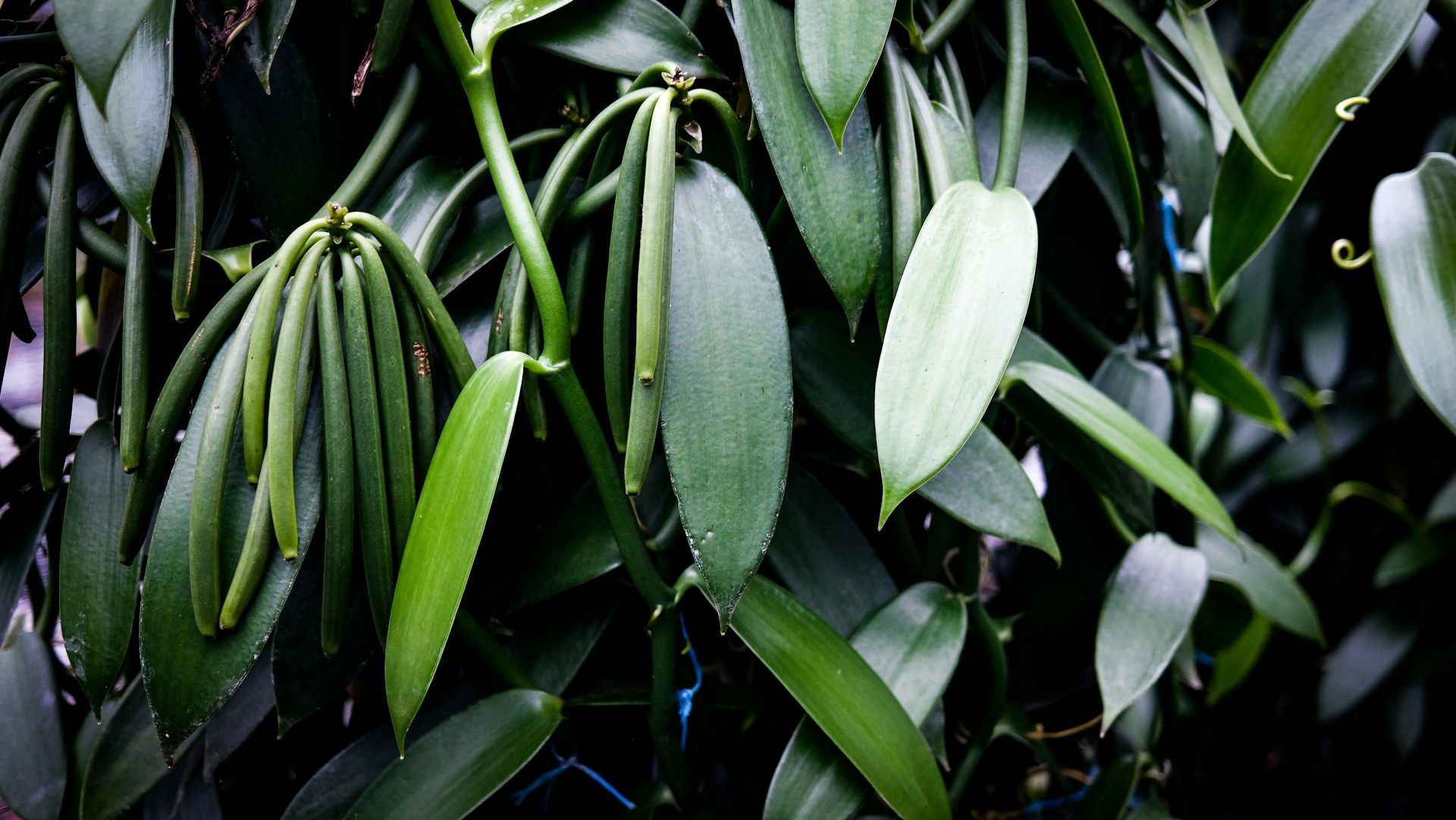
The shape and size of a vanilla vine give us early cues about its health. A strong plant does not have to be huge, but it should show some clear signs of progress.
- Look for at least one clean growth node with roots or aerial root bumps starting to form. This tells us it is looking for a surface to climb or cling to.
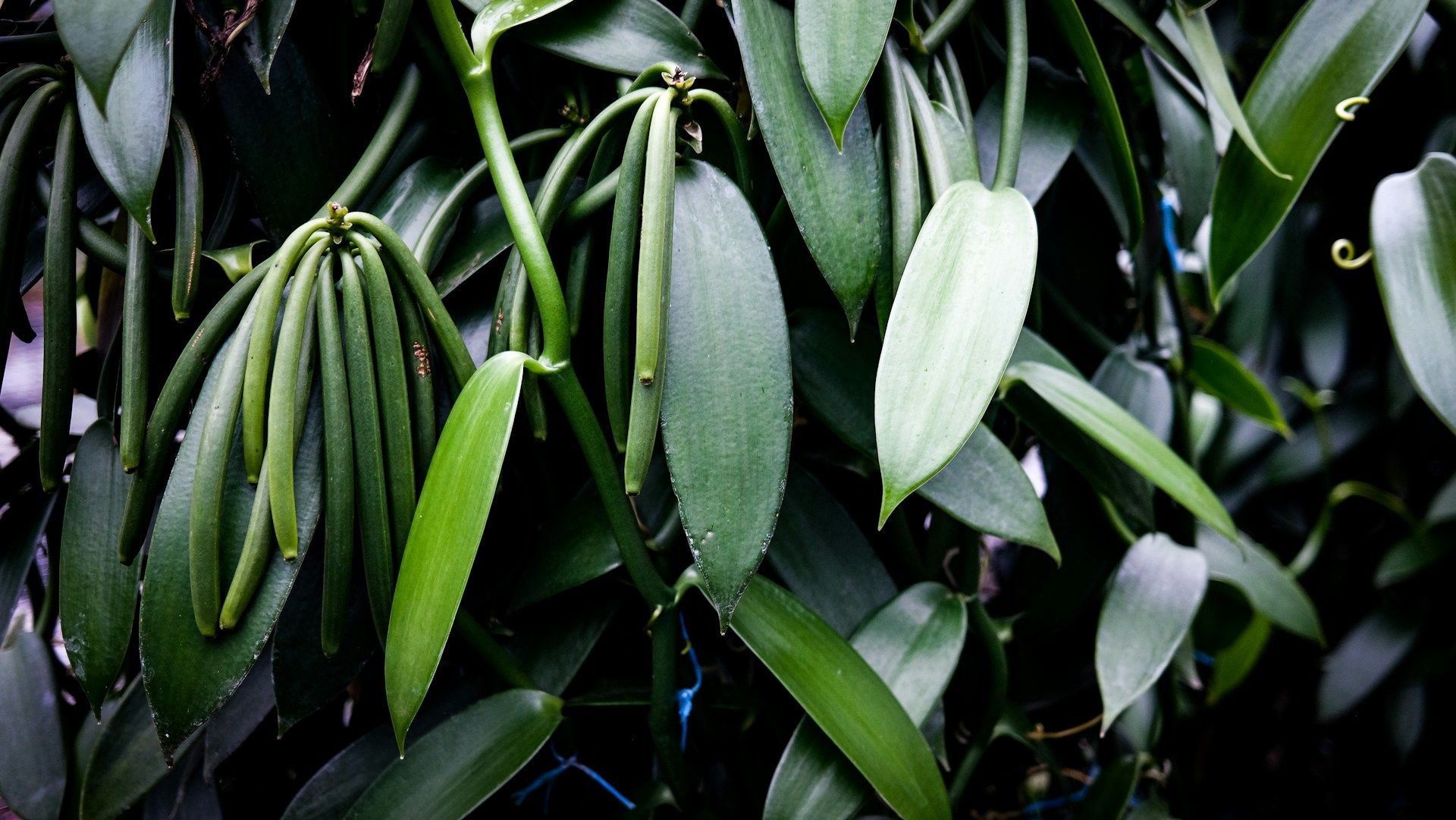
- The vine should have several firm, dark green leaves that hold their shape. Long gaps between leaves or stems that droop may show that the plant stretched for light instead of growing steady.
- Avoid plants that are overly long or twisted up. A vine trained to grow in small spirals or folds might look pretty, but it often struggles when moved. Straight, balanced vines are easier to train onto a new trellis system.
We like vines that feel like they have been growing slowly and steadily, not rushed or reshaped for display. That slow growth is often a sign of strength below the surface.
Examining Leaf Color, Shape, and Texture
Leaves do a lot more than catch sun. They show stress early and give us a sense of how well the roots are working.
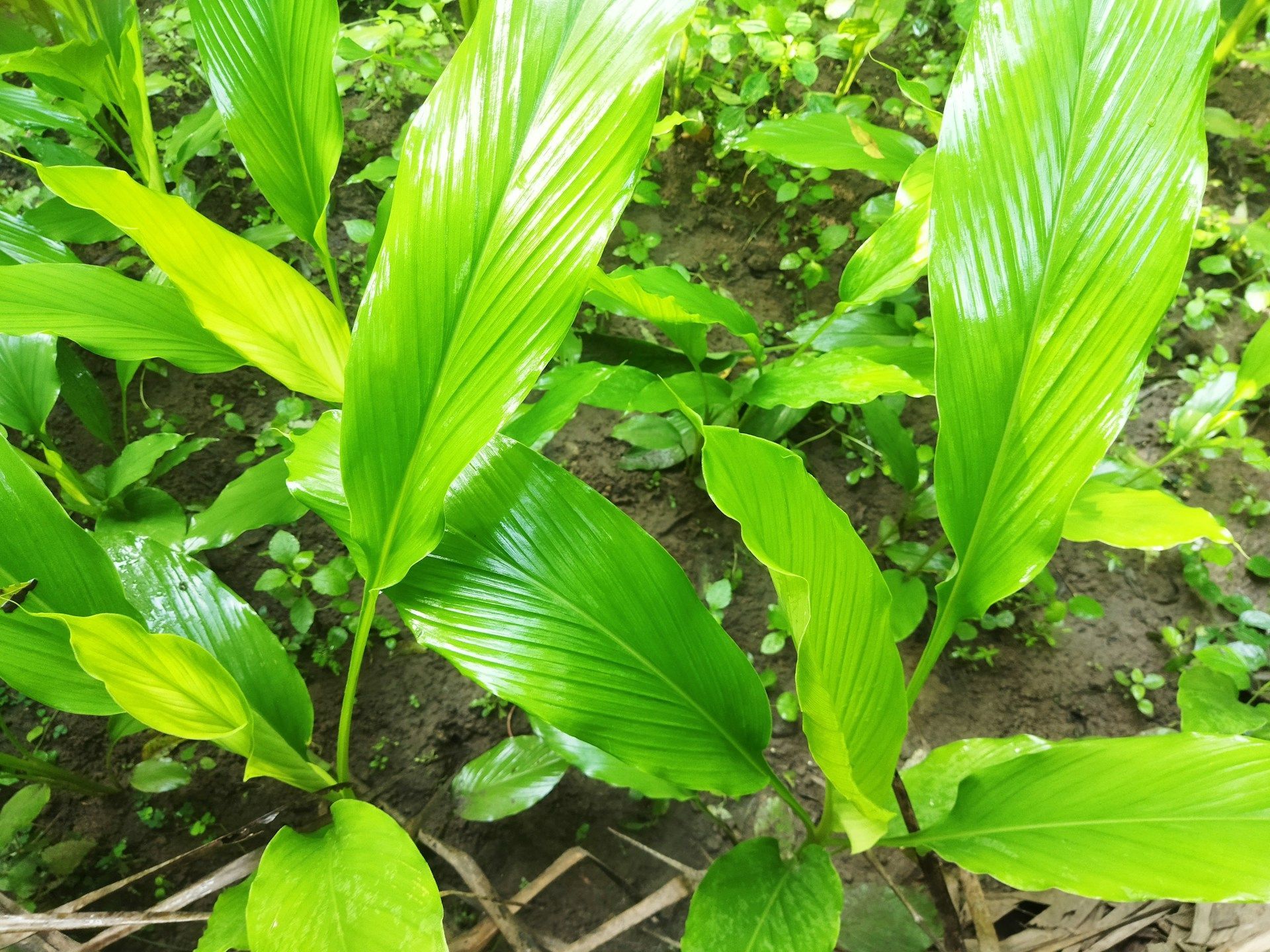
- A healthy vanilla leaf is thick and a little glossy. It should hold its shape without feeling dry or flimsy.
- Color should be deep green with clean edges. Pale or yellow hues near the tips, or brown at the base, might point to overwatering, drying, or root trouble.
- Watch for curling, strange bumps, or texture changes. These can be early hints that the plant was exposed to too much light or not enough water.
We run our fingers along the edge of a few leaves and give them a small wiggle. It helps us feel if they are too loose or if the stem bends more than it should. Simple movements like that can show how well the support system under the surface is holding things together.
Root Health and Pot Type Matter More Than You Think
Roots are the part we cannot always see, but they do a lot of the work. We want to know a plant’s roots are active without being packed tight or softened from rot.
- Flip the pot gently or look from below to spot white or tan roots peeking through with some spread and no slimy feel. They should smell earthy, not sour.
- Plants in mesh or well-aerated pots tend to fare better at transplant time. Plastic pots without holes may hold water too long, even if the topsoil looks dry.
- If you are allowed to gently loosen the top layer, do that carefully. The roots near the surface should feel firm and slightly damp, not mushy or bone dry.
Plants that have lived too long in one container often grow in tight loops. That makes it harder for them to spread out after planting. We want to give new roots room to breathe and move.
Hardening Off: Is the Vine Ready for Real Conditions?
Hardening off means helping a plant adjust to changes outside of the nursery. Moving from the soft shade of a greenhouse to full Florida sun is a big shift if not done slowly.
- A strong vine should have some exposure to sunlight already, not just bright shade. Full greenhouse vines sometimes melt within a few days when placed outdoors too fast.
- Ask if the plant has spent any time outside or under natural light in recent weeks. That is a good sign it has been eased into warmer temps, changing humidity, and UV light.
- Hardening off does not mean every plant must handle full sun yet, but it should show progress. The leaves might be a little thicker, and the new growth will not feel flimsy.
For Florida growers, the sun climbs fast by May, and vines that are not used to that often struggle. Vines that have been trained in shifting light stand a better chance when it counts.
Growing with Confidence from the Start
When a vanilla vine starts off strong, it shows. We have seen how healthy roots, deep green leaves, and a little light exposure can help a young plant catch its rhythm quickly.
Spring in Florida gives new plants the warmth and length of daylight they need. But that only works if you start with a vine that matches your setting and is already adjusted to the season. The right choice upfront leads to fewer setbacks later and a plant that takes hold faster. We think of it as giving the vine a head start at the right time.
Starting your vine this season is easier when you begin with a plant already thriving. Firm leaves, healthy roots, and well-balanced vines all point to a plant that will flourish in the months ahead. If you are searching for a
vanilla plant for sale that is ready for Florida’s spring light, we have options that are already acclimated to the season. At Sunshine State Vanilla, we grow with care to make sure your plant gets the best possible start. Reach out to us anytime if you have questions or want guidance on choosing the right one.