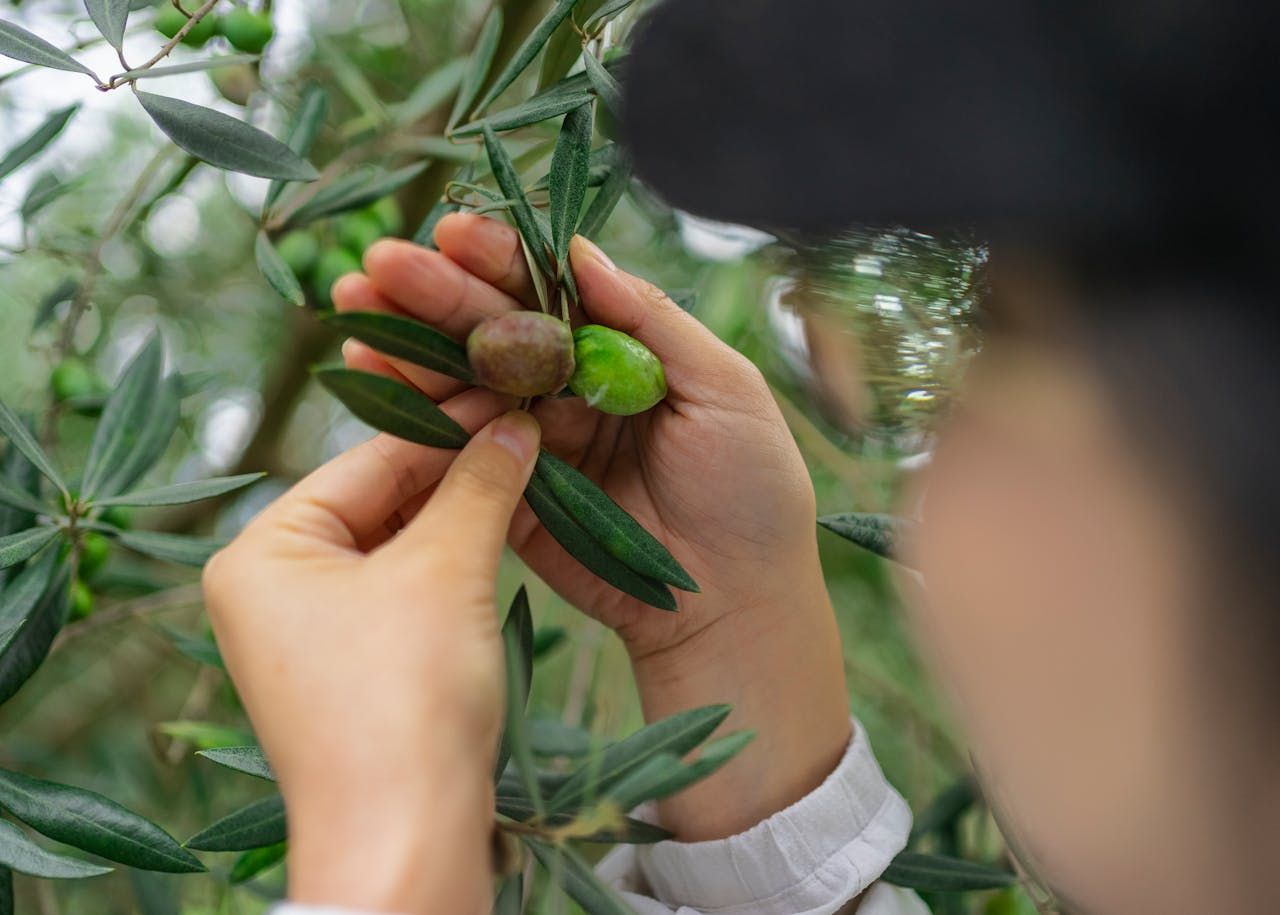

Olive trees are often linked to dry Mediterranean shores, but they grow surprisingly well in warmer parts of the U.S. Here in Central Florida, we’ve found the climate lines up nicely with what these hardy trees prefer. The seasons shift gently, the soil tends to stay warm, and our spring rains aren’t too heavy if the growing spot is chosen well. These small details can actually help olive trees in Florida settle in, sprout new growth, and move into their flowering stage without much stress.
Spring here doesn’t hit all at once. Instead, it rolls in with mild days and soft rains. That slow build gives growers just enough time to get things in motion. If you know what to watch for, each stage of growth shares a bit about the tree’s health, whether it’s doing well or needs a quick adjustment.
What Olive Trees Need to Grow Well
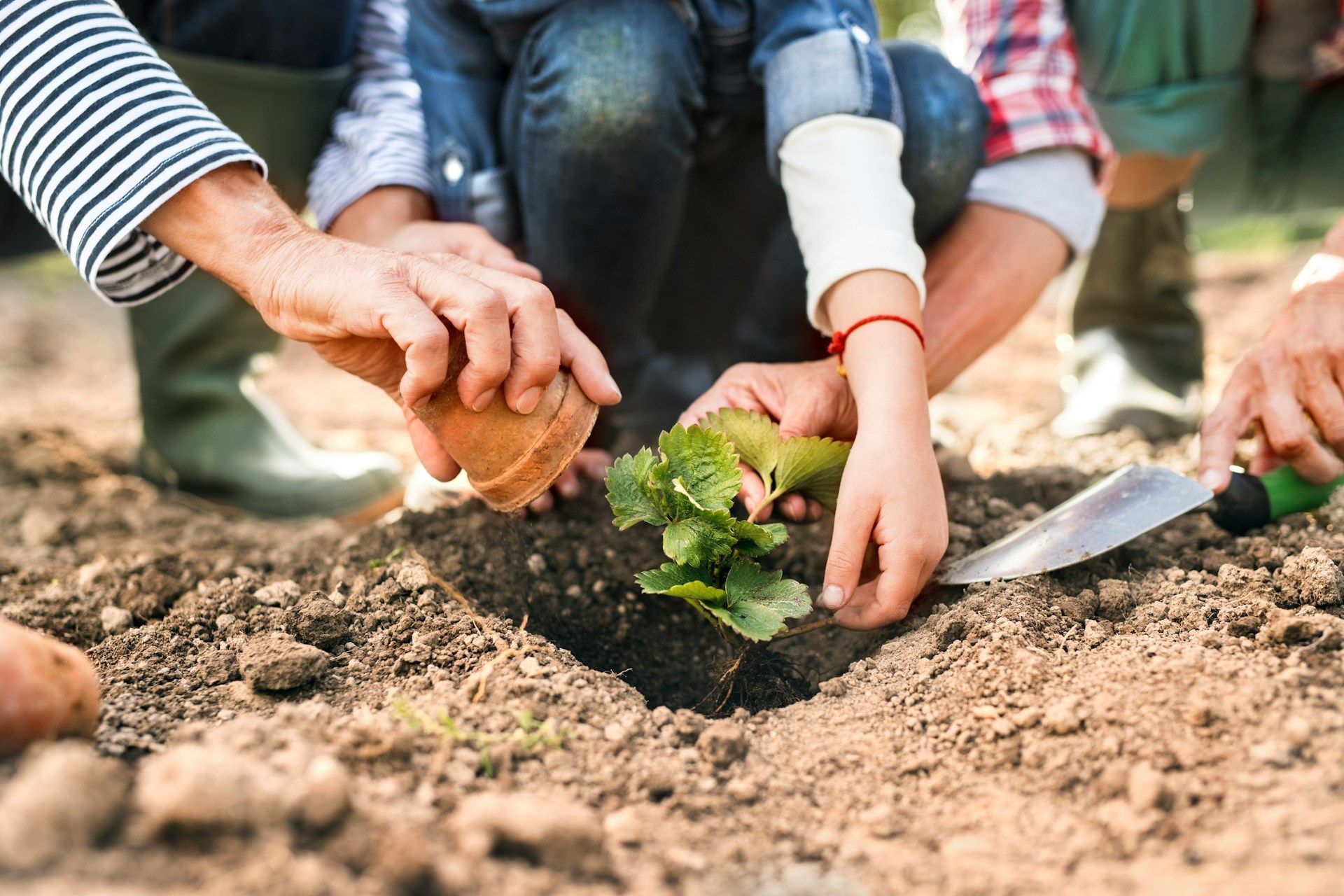
We’ve worked with olive trees long enough to know they like their soil loose and able to drain well. In Central Florida, some areas have sandy stretches that shed water too fast, and others hold damp pockets a little too stubbornly. Somewhere between the two is the balance we aim for.
- Look for soil that drains after a steady rain but doesn’t dry out by the next day. Raised beds can help in flatter or wetter yards.
- Keep trees in spots where they’ll get sun for most of the day. Olive trees come from sunny places, and Florida skies tend to give them what they like.
- •In early spring, we water enough to keep the soil lightly damp, not soaked. Overwatering can lead to mushy roots, which slows early growth.
Planting in the right spot makes the rest easier. When trees are placed with their needs in mind, we don’t have to step in as much to fix what nature would’ve done better.
How Spring Impacts Olive Tree Growth
Once April arrives and stays warm, olive trees begin their early growth stages. That’s when you’ll notice new shoots pushing out in all directions. The trees go from a quiet winter state to showing real signs of movement.
- During April and May, look for slim shoots forming at the ends of branches. These are early growth signs, and they often lead to flowers.
- Light green leaves usually trail not far behind. If the mornings are warm and the nights stay above 50 degrees, this step moves faster.
- Spring storms sometimes bring strong rain or fast swings in temperature. We check tree bases after these shifts for pooling or tilting so we can adjust support or soil if needed.
Spring is a busy time for olive trees in Florida, but most of that work happens in silence. We just try to stay ahead of anything that blocks or delays that pace.
Timing Flowering and Fruit Set in Central Florida
As spring progresses, olive trees head toward flowering. One day, you’ll notice pale buds starting to form, and within a week or two, small, cream-colored flowers begin showing at the tips of the new shoots.
- Around late April or early May, we watch for groups of buds appearing in clusters. When these open, you’re close to the pollination step.
- Some trees might drop more flowers during humid weeks. That’s one effect of Florida’s spring that we always try to manage by trimming for better airflow and thinning out heavy leaf sections.
- When the flowers show, we avoid any sudden changes. No pruning, no heavy feedings. A calm stretch during bloom can help more fruit set later.
Not every flower will lead to olives, and that’s normal. But even a few strong clusters lead to a healthy round of fruit if weather and timing cooperate.
Common Growth Patterns and What They Tell You
Olive trees will show how they’re adjusting to their environment if you know how to read them. Spring is when their shape shifts, and while it’s tempting to let them grow out wildly, structure in the early years supports stronger limbs and better fruit down the line.
- Watch for long, thin branches that stretch out without thickening. These usually need trimming to keep the shape balanced.
- Leaves that turn pale or patchy may point to water or nutrient issues. We test the soil if this keeps happening after small rainfall spikes.
- Bud spacing tells us how active the tree is. If you see clusters forming too close together, spreading them with a light trim can help energy flow evenly.
The rhythm of the tree is easy to miss if you’re not walking the rows. We make quick notes and review patterns from past years. If one area grows faster each spring, we ask why. If another lags behind, we adjust what we can to help it catch up.
Growing Smarter in Florida’s Spring Season
A warm, mixed spring can bring out the best or the worst in olive trees. Here in Central Florida, we’ve learned to work with it, not against it. Too much moisture or shade during these early stages can keep trees from pushing into their natural cycle. Just like that, a season slips behind.
What we've found is that small signs carry weight. Whether it's the shape of a new sprout or a bit of yellow along an older leaf, these details speak up before bigger problems set in. Watching timing, adjusting pruning gently, and matching the trees to the season helps us stay ahead from year to year.
At Sunshine State Vanilla, we offer a range of options for planting olive trees in Florida, with selections already adapted to the local climate and prepared for strong spring growth. Our trees are grown locally and selected for warmth, proper drainage, and the right seasonal timing, so you can feel confident in their success. Whether you want to plant a single tree or start an orchard, choosing the right variety makes all the difference. See what’s thriving on our farm by viewing our olive trees in Florida, and if you have questions or need help picking the best fit, contact us anytime.