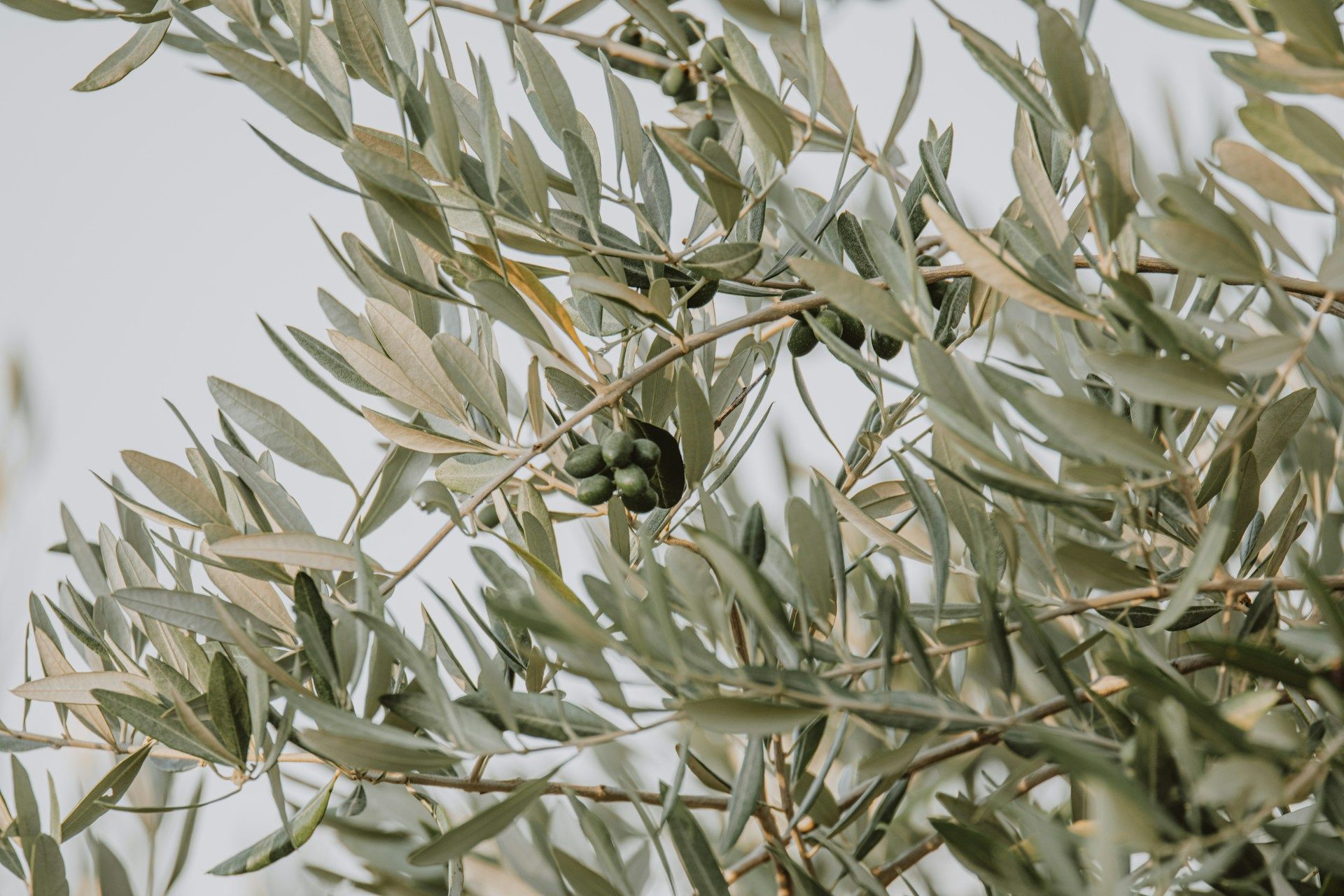

As spring settles into Florida around mid-March, we find ourselves facing familiar challenges on our olive tree farm. One of the toughest? The wind. Even a steady breeze can stress out young trees, loosen roots, and send branches swaying harder than they should. If we are not ahead of it, those early blooms can get knocked right off before they even open.
Spring winds in Florida do not always show up with warning. They start picking up as the cold air fades and warmer afternoons creep in. While that is good for getting things growing, it can mean trouble if we do not act fast. Over time, we have figured out a few things that help manage this seasonal push from nature. Here is how we prepare our trees so they stay sturdy and grow with less stress right as the season kicks off.
Recognizing What Spring Winds Bring
We notice the wind beginning to stir as late winter gives way to warmer days. Most years, this change happens fast. One day it is still cool and calm, and the next we are facing gusts pushing hard through our rows.
- Dry topsoil is one of the first signs. Even with regular watering, surface layers get pulled dry quickly when the wind kicks up. That puts pressure on the roots, especially young ones just starting to stretch out.
- Vigorous gusts can twist trunks or snap tender growth if we are not careful. In early spring, the smallest shoots are often the weakest, making them easy targets.
- Without protection, those same winds can knock off early flowers, which cuts into the season’s yield before it begins.
It does not take a storm to cause a setback. One windy afternoon can undo weeks of careful tending if the trees are not steady on their feet.
Choosing Planting Spots That Reduce Wind Exposure
Planting location makes more of a difference than you might think. We have seen it ourselves, two trees, same age, same soil, but one grows fuller just because it is tucked in the right spot
.
- We try to plant near natural barriers like tree lines or buildings that block high winds but do not keep out much sunlight. Even a small slope can help by redirecting airflow.
- We avoid open fields when we can. Planting rows lengthwise into the wind traps the force over time, so we line our beds to work with the angle, not against it.
- For younger plots, we have added physical barriers off to the side like shrubs or taller grasses. These are not permanent, but they help during that stretch of peak spring gusts.
Position is a quiet kind of protection. It does not stop the wind from coming, but it gives the trees a chance to hold their ground.
Supporting Olive Trees Against Movement
Younger olive trees tend to sway more than older ones. That movement might look harmless, but it makes for shallow roots and crooked trunks if we do not manage it early.
- We stake most of our trees the first year. We use flexible ties that bend a little so the tree can still strengthen naturally without tipping over.
- The soil in some parts of Florida stays loose, and heavy gusts can shift things under the surface. A firm anchor helps roots grow straight down without being pulled sideways.
- For more mature trees, pruning becomes more helpful than staking. By cutting back crowded or heavy limbs, we reduce strain and improve airflow through the branches, less drag, less damage.
This is something we check often during spring. A stake that is tight in January might need a quick adjustment by March.
Soil Management to Hold Moisture and Stability
Dry wind pulls moisture right out of the first few inches of earth. When that happens, olive trees struggle to take in water, even when the bottom layers are still damp.
- We lay down mulch early in the season. It holds in water and keeps the roots cooler on bright, windy days. Even two or three inches makes a difference when wind dries the surface fast.
- We are careful not to overwater. If the soil around the base gets too soft from watering and wind hits, trees can lean, especially those still finding their footing.
- We check for erosion along the rows. Wind can pull lighter soil toward the sides and leave roots too close to the air, which stresses them more. A quick top-off or reshaping can stop problems before they spread.
Dry spring breezes might seem harmless, but when they stack up over a week or more, they wear soil down fast. Keeping ground conditions strong helps trees stand tall without stress.
Spotting Early Signs of Wind Damage
Not all damage shows right away. Some warning signs creep up gently, but if we catch them early, we can step in before it becomes a real problem.
- Browning leaf edges, especially at the top, sometimes point to wind burn or drying from above.
- Shoots that bend or snap midway could mean the branches are under pressure and need pruning support.
- Flower drops are another flag. If we see unopened buds falling earlier than usual, wind might be hitting harder than planned.
- Leaning trunks are more obvious signs. After a few windy days, if a tree starts tipping more than usual, it is time to check the staking and adjust the balance.
We try to walk our rows weekly during the windy part of the season. It does not take long, and the effort pays off down the line.
Stronger Starts, Stronger Trees
Keeping an olive tree farm running in Florida means preparing for whatever the spring breeze brings. We have learned not to wait for warnings. A well-placed row, the right mix of mulch, and some steady support can carry us through the windiest days without major setbacks.
These small choices add up. Trees that stay upright and calm during spring winds grow fuller by summer. By mid-season, their canopies are stronger, and their roots are deeper. That kind of head start makes harvesting easier and keeps our trees healthy year after year. Planning early makes the rest of the work feel smoother, with fewer surprises once the season kicks into gear.
Wondering how to support young trees during Florida’s breezy spring? Exploring how we care for our own
olive tree farm can offer helpful tips, from choosing the right location to managing moisture. At Sunshine State Vanilla, we believe early action in spring sets you up for a season of strong, steady growth. Have questions about timing, placement, or your next steps? Reach out and we will be happy to help.