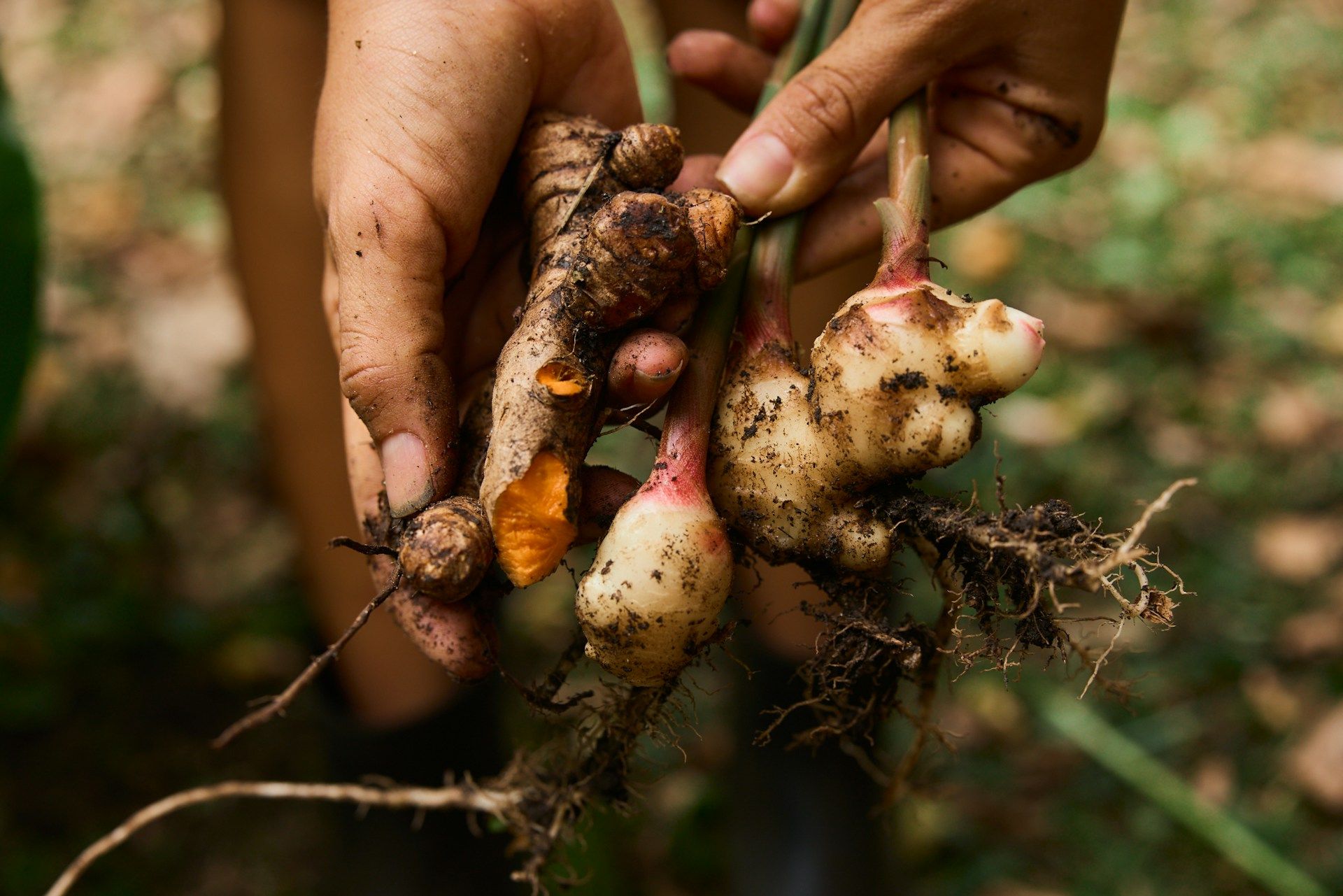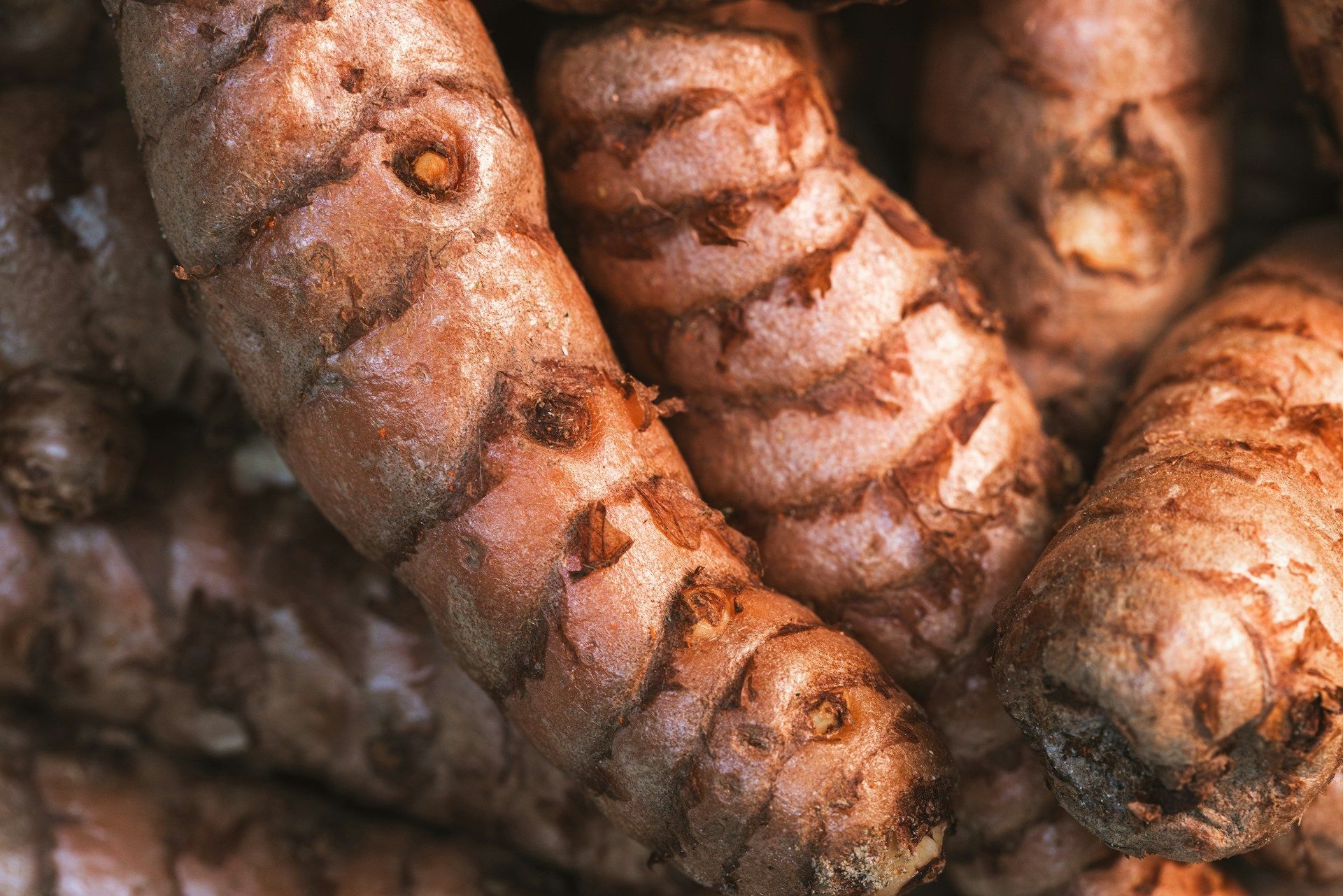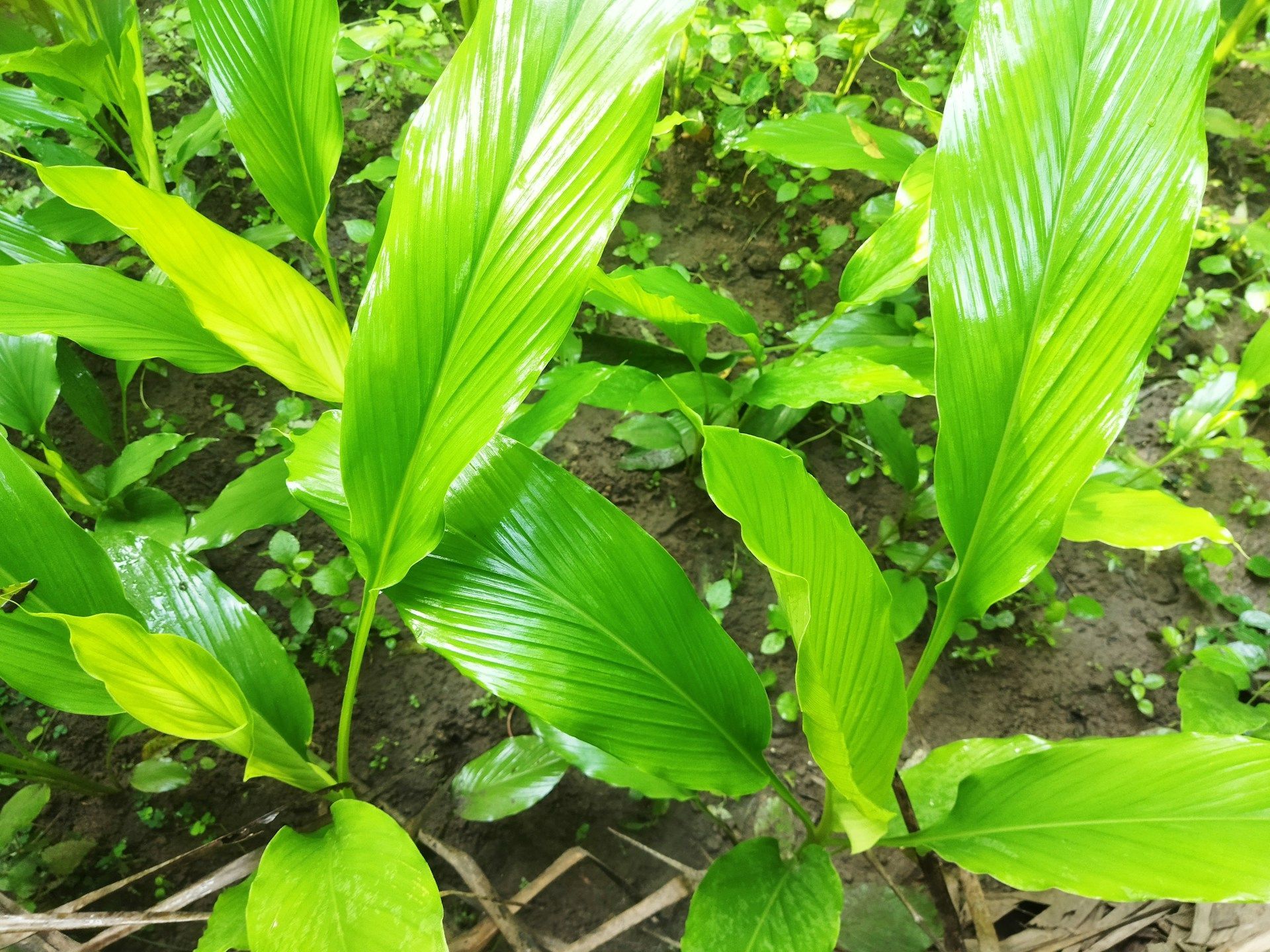

More people across Florida are showing interest in growing turmeric, and we are not surprised. The plant fits right into our warm, humid environment. Starting a turmeric farm may feel like a big step, but spring gives it the support it needs to take root and thrive. By late March, the days are warming up, the soil is loosening, and steady rains keep the ground just damp enough.
This is the right time to start thinking through your growing space, soil prep, and planting timeline. Whether you have a corner of yard space or several acres to work with, you can set up a turmeric farm with less guesswork once you understand what the plant likes and how our Florida climate fits the crop’s routine.
Understanding Florida’s Fit for Turmeric
Turmeric likes things warm and damp. That works in our favor here in Florida, especially as we head into April. Around this time, the ground has shaken off the last bit of winter chill. Nights stay above 50 degrees, and that supports the early stage of turmeric growth without much need for extra protection.
- The springtime humidity here helps natural moisture stay put, making it easier to support new rhizomes without constant watering.
- Steady but not overwhelming rainfall tends to keep topsoil soft, which is good for sprouting roots.
- One thing to watch out for is sand-heavy soil. Some areas have dirt that drains too fast or tends to shift, which can throw off root stability.
We have found that turmeric grows best when our spring weather is balanced, warm but not too hot, wet but not waterlogged. These few weeks offer a window to prep the ground and get the crop comfortable before our hotter summer stretch.
Picking and Prepping the Right Growing Area
Choosing the right spot from the start gives turmeric a better chance. Full sun is not always best in Florida’s heat, so we pick spaces that get morning light and a bit of afternoon shade.
- Stick to areas with loose, well-drained soil. Hard or packed ground holds too much water or dries out too fast, depending on rainfall.
- Raised beds or wide containers help keep drainage under control. They are also easier to reach and monitor in changing weather.
- Before planting, we clear out weeds, roots, or debris, then add compost for nutrients. Once mixed, we test our soil’s pH and aim for something just slightly acidic to neutral.
Setting it up this way does not take much space, but it makes a big difference. Healthy soil helps with steady root growth so we are not playing catch-up a few weeks later.
Timing and Planting Steps for Spring
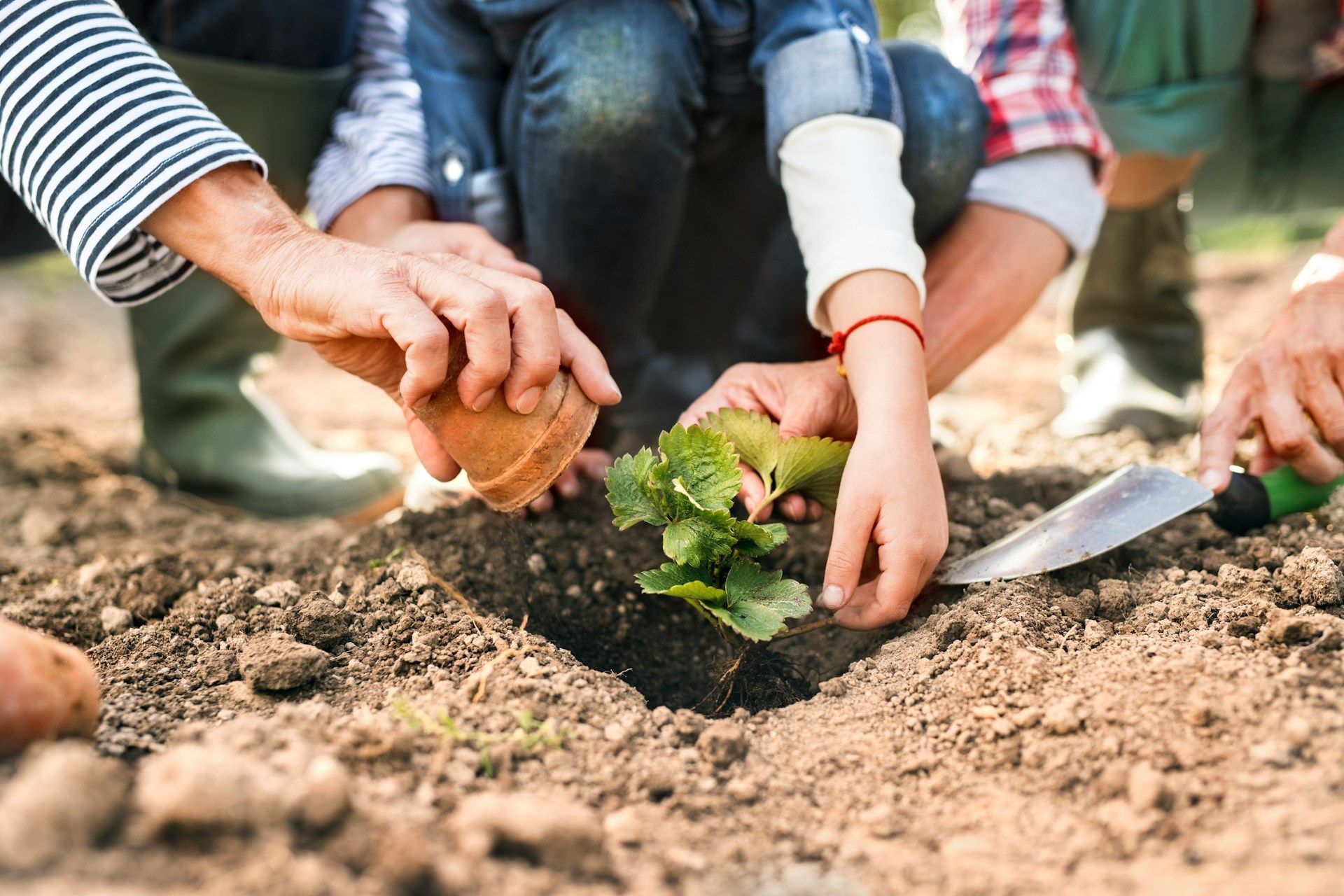
We begin planting turmeric between late March and early April, once we are sure the soil is warm. Our method stays simple and focused on helping the rhizomes settle in without stress.
- Use healthy seed rhizomes about the size of your thumb. Split them into chunks with at least one visible eye (a growing point).
- Dig shallow holes about two inches deep with ten to twelve inches between each plant. That gives them space to spread.
- Cover lightly and water gently. We aim for damp, not soggy.
Temperature matters here. We wait until the soil stays around 70 degrees or warmer. Spring rains help with that soaking effect, but we keep an eye on cooler nights. If the dirt feels cold to the touch, we give it another day or so. Getting the setup right from planting day means stronger sprouting by late spring.
Early Growth Care and Maintenance
Once turmeric starts to sprout, we ease into a care routine that supports simple growth without overdoing it.
- Water regularly during dry spells, but only when the top inch of soil feels dry. Turmeric does not like to sit in soaked ground.
- We spread mulch about two inches thick around each plant. It keeps soil temperature steady and holds moisture between waterings.
- Early signs of trouble include soft, discolored rhizomes or shoots that come up weak and thin. We check for airflow between plants and remove mulch if needed to dry things out.
Caring for turmeric through early spring is mostly about not crowding or oversaturating it. Once it is strong enough to break through the soil, we let it do a lot of the work while we keep the space balanced.
Planning for Long-Term Success
Turmeric takes time. The full growing cycle lasts about eight to ten months, which means spring is just the beginning, not the whole season. To help the plants stay steady all year, we plan ahead right after the first growth appears.
- We keep space between plants free from fast-growing weeds. They steal water early and can slow down rhizome formation.
- Every few weeks, we top up nutrients with basic compost or a light, balanced fertilizer.
- By mid to late fall, the leaves start to yellow and wilt. That is our sign to harvest. From there, we clean and cure the rhizomes for storage or replanting.
Watching turmeric grow can take patience, but once the spring stage is handled properly, we do not find ourselves reworking too many sections or losing plants to rot and overcrowding.
A Strong First Season Starts with Smart Prep
Spring in Florida gives turmeric the warm, wet welcome it needs. If we pick the right spot, break up the soil, and plant once the days are steady and mild, we are giving the rhizomes a real head start.
The early care is not complicated, but it does take attention. A bit of prep, steady moisture, and loose, shaded ground can help a turmeric farm stay healthy through the months ahead. With the right start now, it becomes easier to look forward to harvest later in the year.
Preparing your grow area this spring starts with healthy, clean rhizomes suited to your conditions, and we have found it is best to start small to see what thrives in your soil and shade. When setting up a
turmeric farm in Florida, environment and timing truly make a difference. Sunshine State Vanilla is here to answer your questions about plant selection or preparation, so reach out and let us talk about how we can help you get the season off to a strong start.