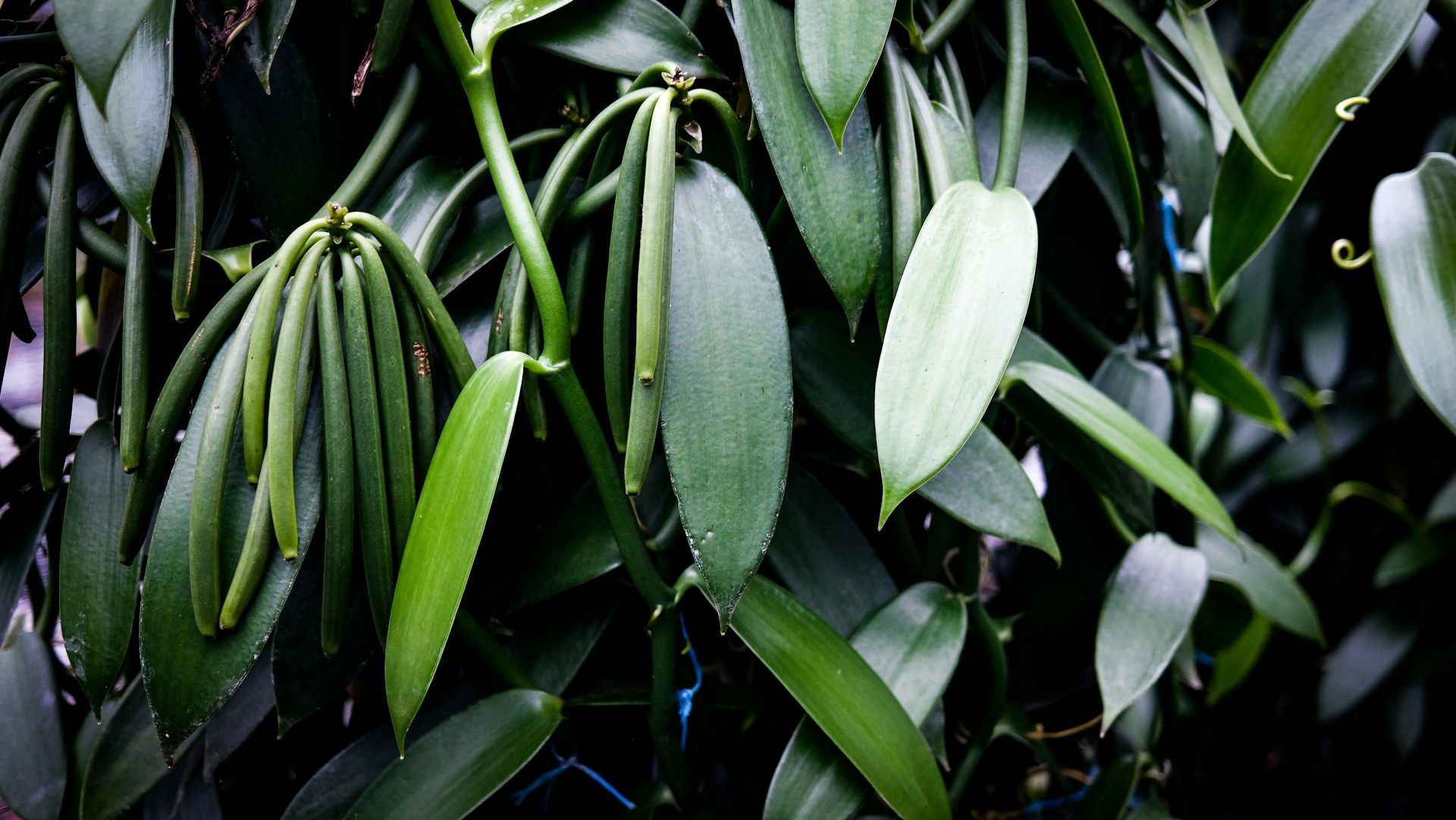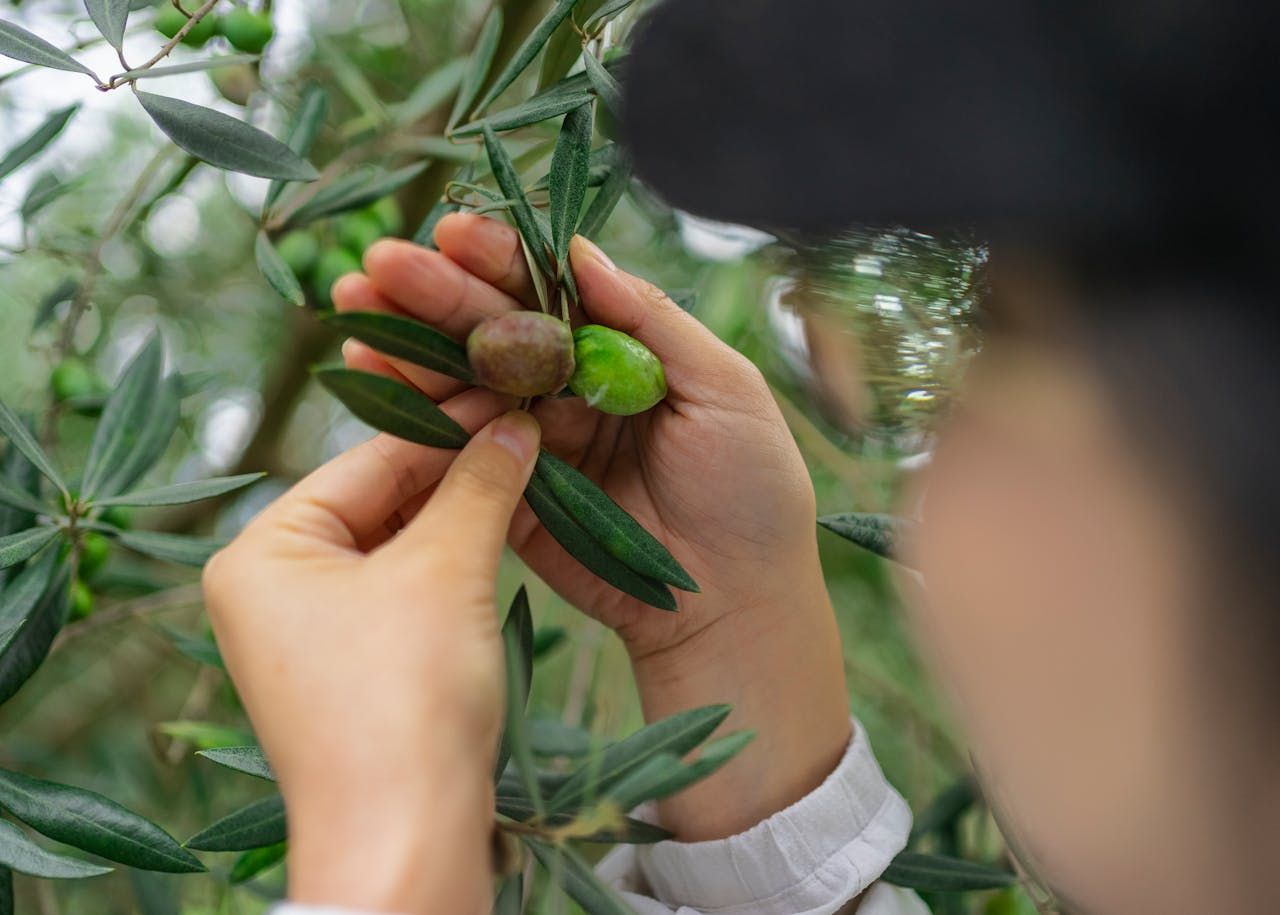

Domestic vanilla farmers in Florida work with a crop that acts a little different from most others around here. Vanilla isn’t something you just throw into a row bed and wait for quick results. It’s a vine, and a picky one at that. But our warm, wet climate gives us a real shot at growing it without relying on imports. Across the state, small farms like ours are learning how to handle these vines and turn them into strong, local harvests.
You won’t find vanilla beans in every Florida market just yet. It takes time, patience, and a whole lot of planning. But that’s what makes it interesting. From finding the right growing spot to hand-pollinating flowers and drying pods the old-fashioned way, we’ve learned that every part of the process counts. Here’s how this crop moves through the seasons on our land and what goes into coaxing out its unique flavor, one slow-growing pod at a time.
Finding the Right Spot for Vanilla to Grow
Vanilla vines like things just right. Not too bright, not too dry, not too exposed. That’s tricky to manage in Florida, where the sun gets strong and the rains roll in heavy. But with some planning, we’ve found ways to give our plants what they need.
- Vines need protection more than most people think. We usually plant near trees or under shade cloth to shield them from intense sun. Strong wind breaks are helpful too, since harsh gusts can snap the delicate growth.
- Site drainage is a deal-breaker. Wet roots for too long can cause rot. Our best results come from raised beds or mounds that drain well after a storm.
- Soil health is one of the most overlooked pieces. Loose, well-fed soil gives the vines a chance to anchor in and take off slowly, which is how they like it.
We don't always get perfect results the first time, but every season gives us more insight into where these vines feel at home.
Starting Plants from Cuttings
We grow all our vanilla from cuttings rather than seed. Seeds don’t produce a usable crop. When we take cuttings from mature vines, we look for pieces around two to three feet long with a few leaf scars and visible roots just starting to form.
- Late winter is when we get those into the ground. It gives the vines time to settle before the heat of spring kicks in.
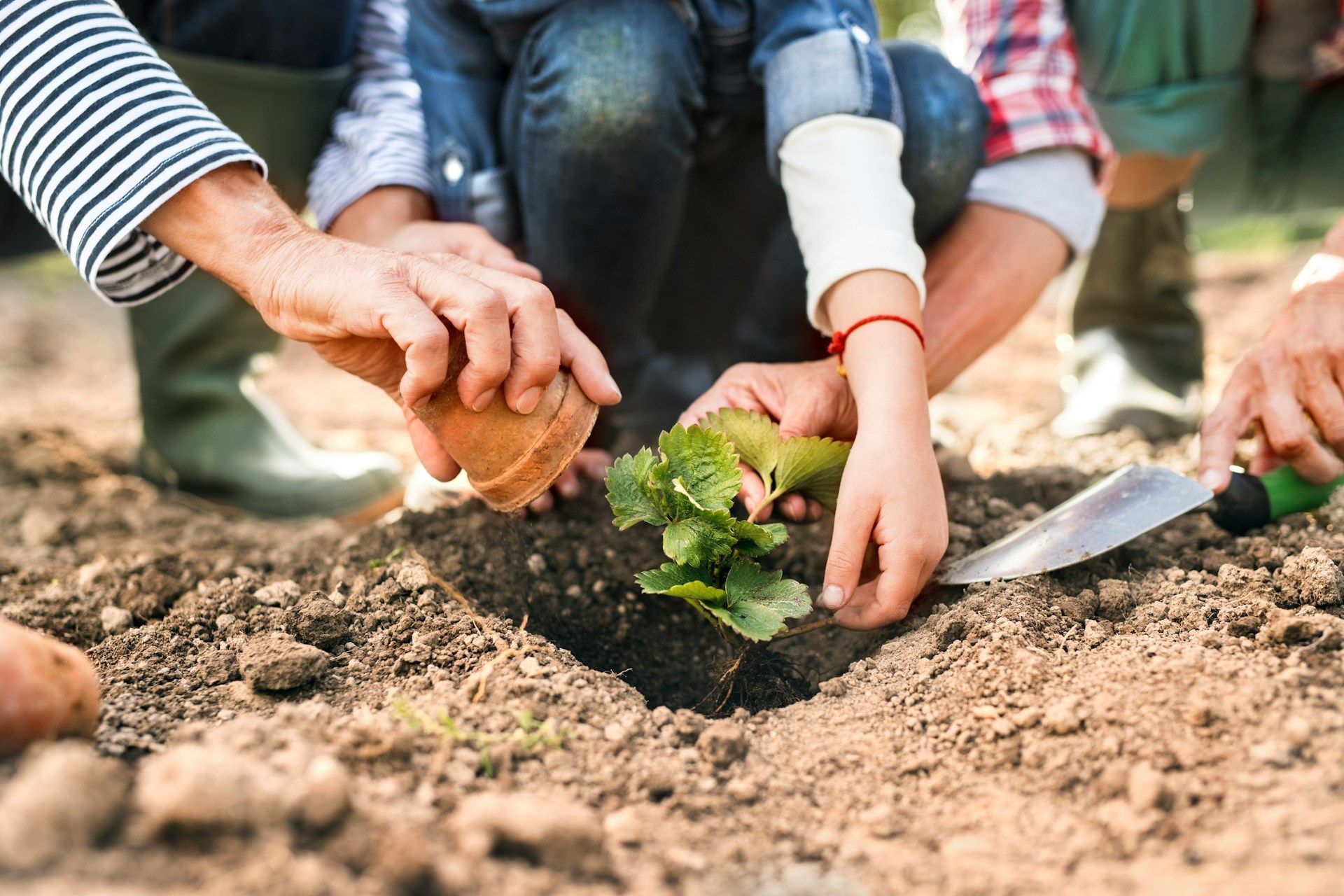
- We place each cutting upright and gently press soil around it. If a node sits just below the soil, it often sends out roots within a week or two.
- Beginning growth is slow. The first few months are mostly about rooting and adjusting. Most vines don’t gain much length early on, but those early steps set the stage for long-term strength.
We water lightly to coax rooting without drowning the base. Once the spring warmth arrives fully, that’s when we spot real progress.
Caring for the Vines Through the Seasons
Florida’s warm season moves fast, and vines respond to it with a big push in growth. Domestic vanilla farmers like us have to manage that without letting the vines take over and tangle beyond control.
- Trellising is key. We guide the vines up wooden posts or ropes so we can reach them later. Vines need to loop back down to flower well, and a clean trellis setup makes pruning and checking easier.
- Spring through summer can bring a mix of heat and sudden rain, which means growth can be irregular. We check our vines weekly for signs of mold or insect damage.
- Pest control is always hands-on. Tiny caterpillars, mites, or snails can feed on fresh tips. We remove them by hand or use garden-safe methods that won’t spoil the pods later.
By fall, the vines usually settle down after their big growth spurt. That’s when we focus on training and checking for any early signs of branching, which tells us flowers might be on the way.
Pollination and Flower Strategy
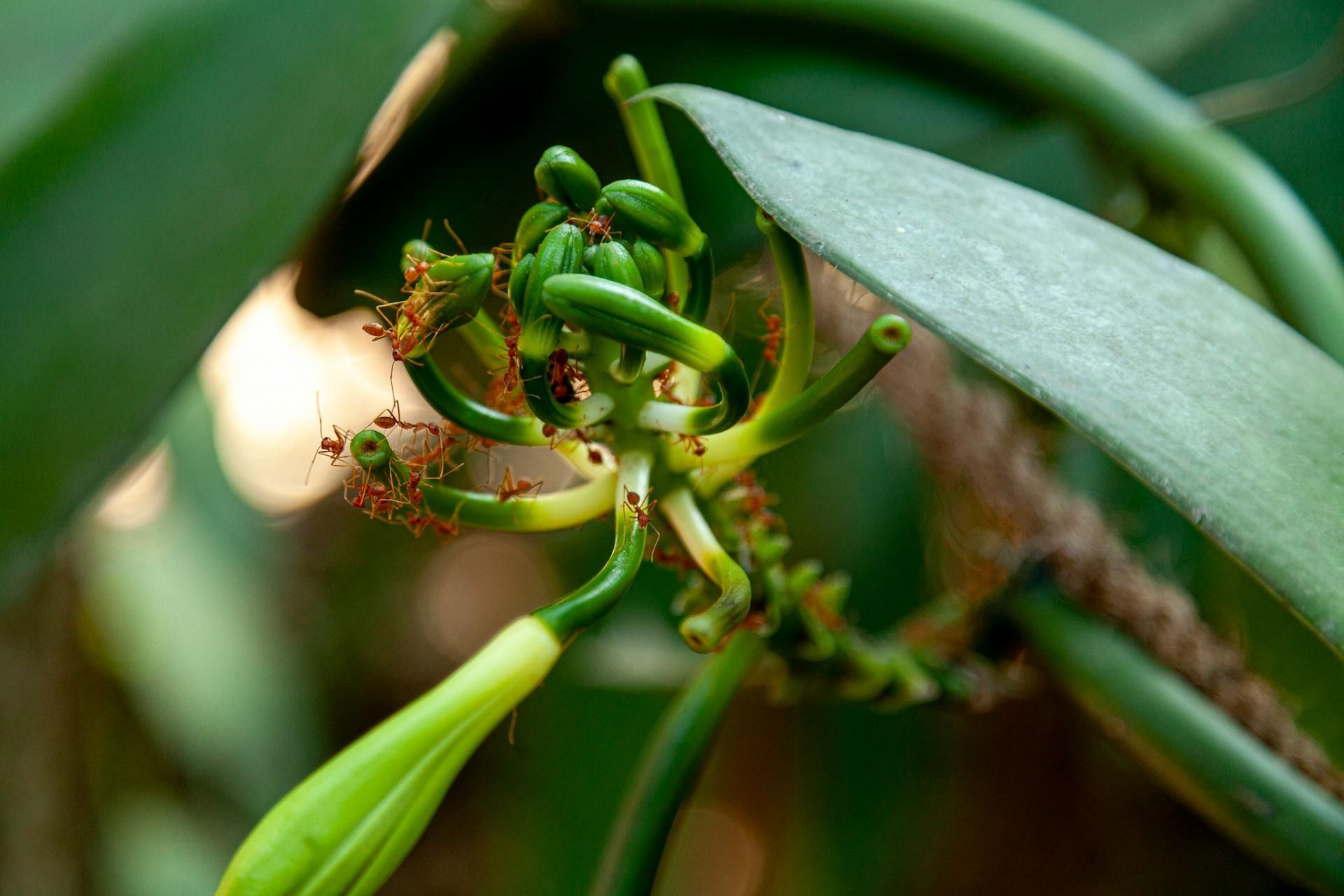
Vanilla flowers don’t stick around for long. Just a few hours, and then they curl up. So, we watch closely once the vines start to bud.
- Most flowers start to show in late spring through early summer, depending on how the weather shifted at the start of the year.
- We hand-pollinate every flower. There are no local insects that do the job like in tropical forests elsewhere. A small lift under the flap with a thin tool helps the flower seal. Done right, a pod will begin forming in a few days.
- We go row by row in the cool morning hours. Pollinating too late in the day is a gamble, since the flowers close fast.
We try not to over-pollinate. Too many pods on a vine can weaken it. A well-balanced vine with fewer pods ends up giving us healthier, tastier beans.
Harvesting and Curing the Vanilla Beans
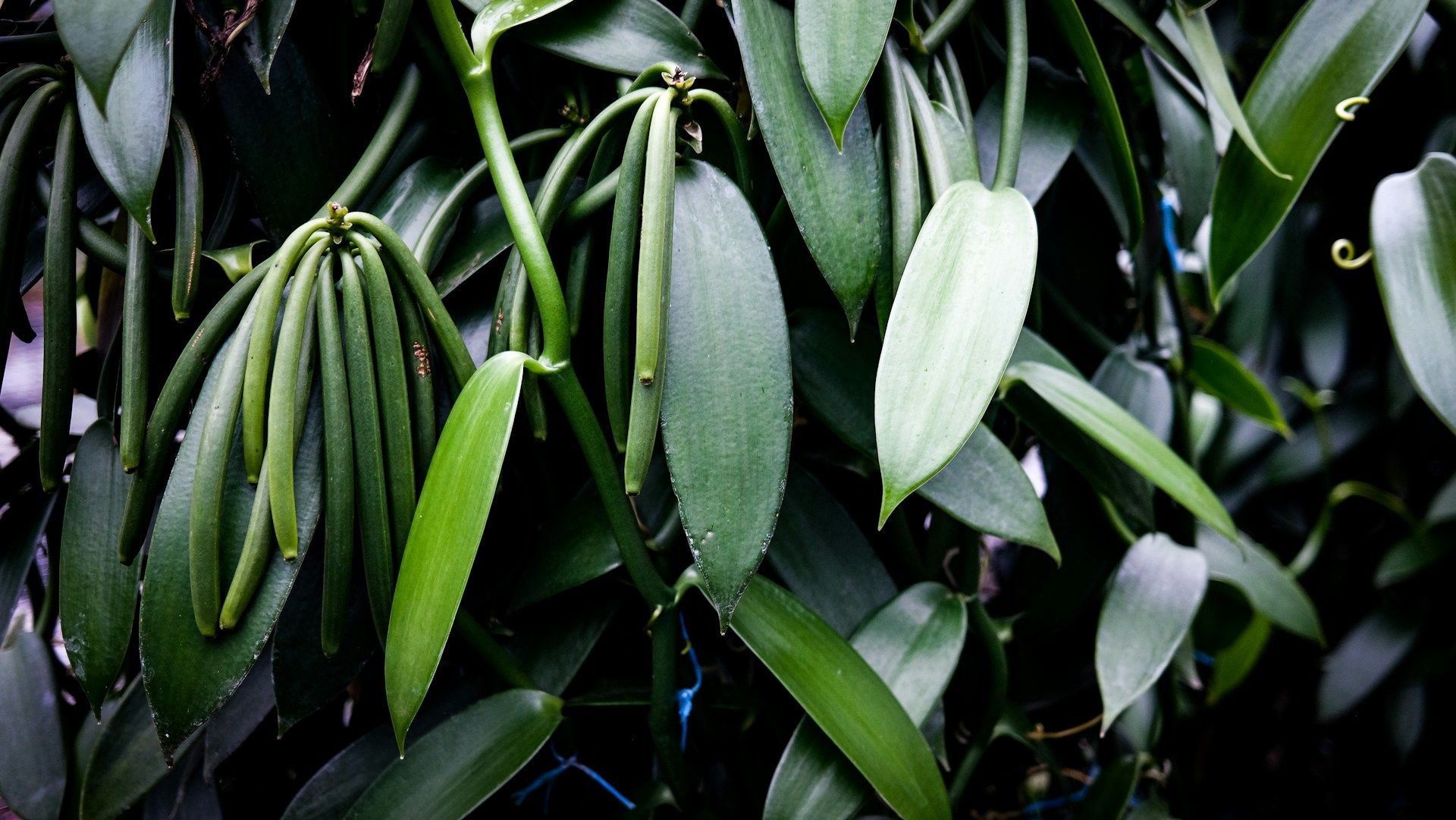
Once the pods reach full length, we still have a wait ahead. Vanilla pods stay on the vine for several months, sometimes up to nine, before they ripen. We look for a slight yellowing at the tip as a sign they’re ready.
- Pods are picked by hand, one at a time. We have to handle them gently, or they split and dry uneven.
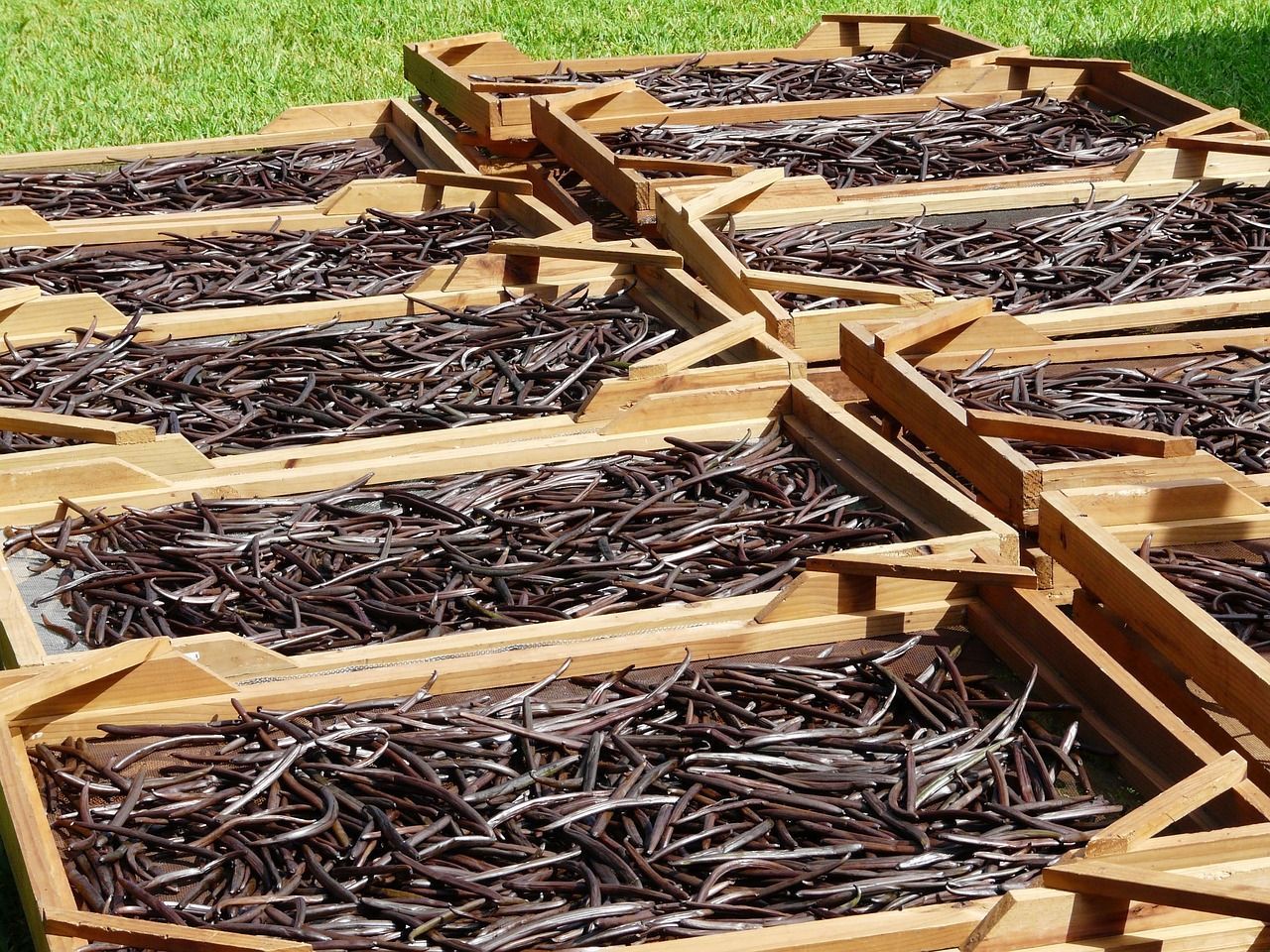
- The curing process is what brings out the vanilla scent and flavor. Our common method is a short steam to stop the bean from maturing, then wrapping and sweating the pods while drying them slowly.
- We check frequently, turning the beans and airing them to keep things mold-free. The whole curing path takes weeks.
When the beans turn dark, flexible, and glossy, they’re ready. We keep them in breathable containers and uncover them now and then to let off any trapped moisture.
Growing Real Flavor from Florida Soil
Florida’s climate doesn’t make domestic vanilla farming easy, but it does make it possible. We've learned to work with the warmth, not against it. Each season, we get closer to reading the signs from our vines and planning the steps that follow.
It takes time for the roots to establish, the vines to climb, the flowers to open, and the pods to ripen. But all that time gives the beans a stronger flavor and a story we can trace all the way back to the first cutting. Taking it slow gives us something we’re proud to call our own.
Curious about what it takes to grow vanilla in Florida? You’re not alone, more and more people are taking steps to become successful
domestic vanilla farmers, and it all begins with the right plants and support. At Sunshine State Vanilla, we understand the challenges of getting started and are here to help you plant with confidence. We’ve built our farm from the ground up and enjoy sharing proven guidance through every season. Reach out with any questions, whether you’re just beginning your journey or ready to expand your vanilla operation.