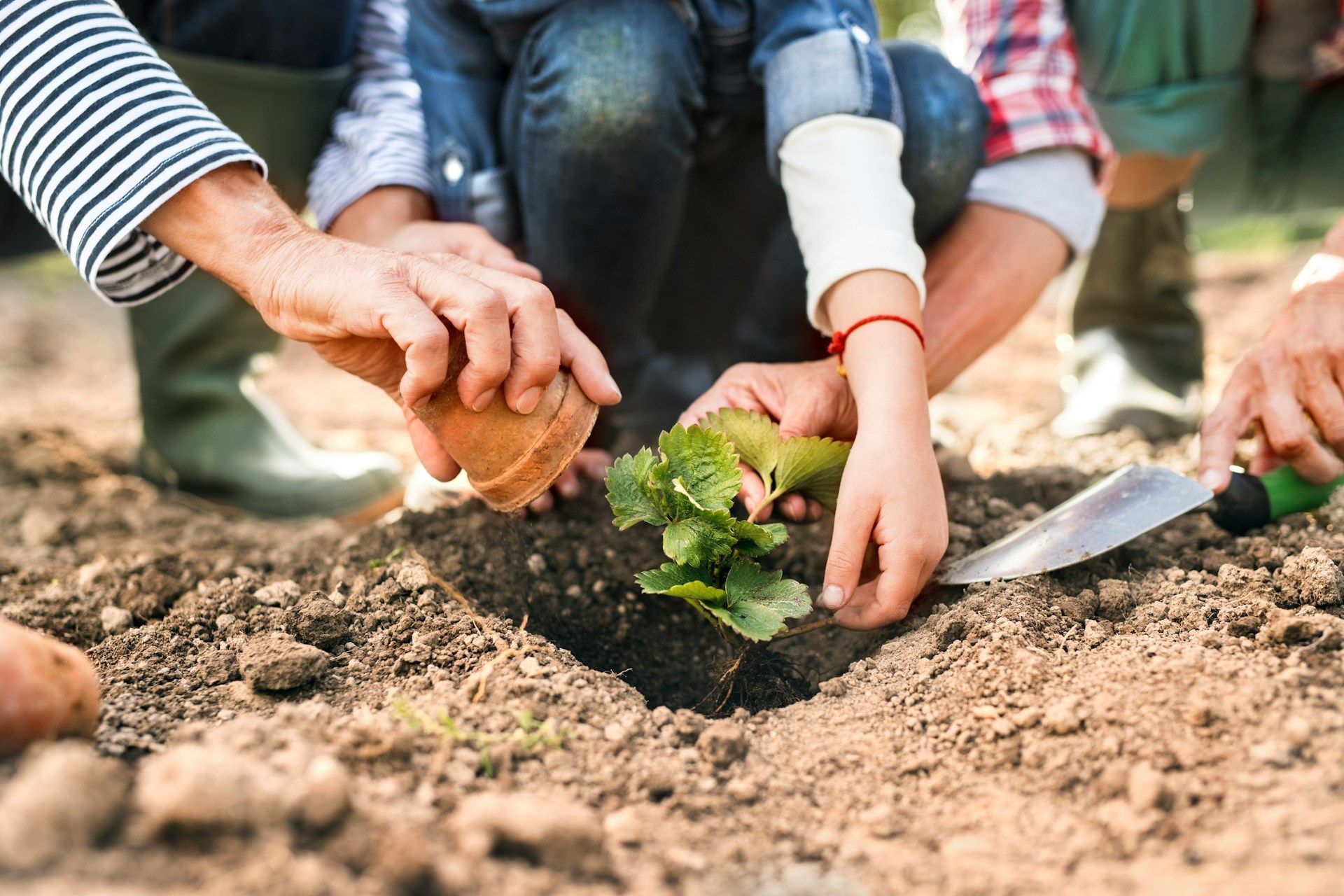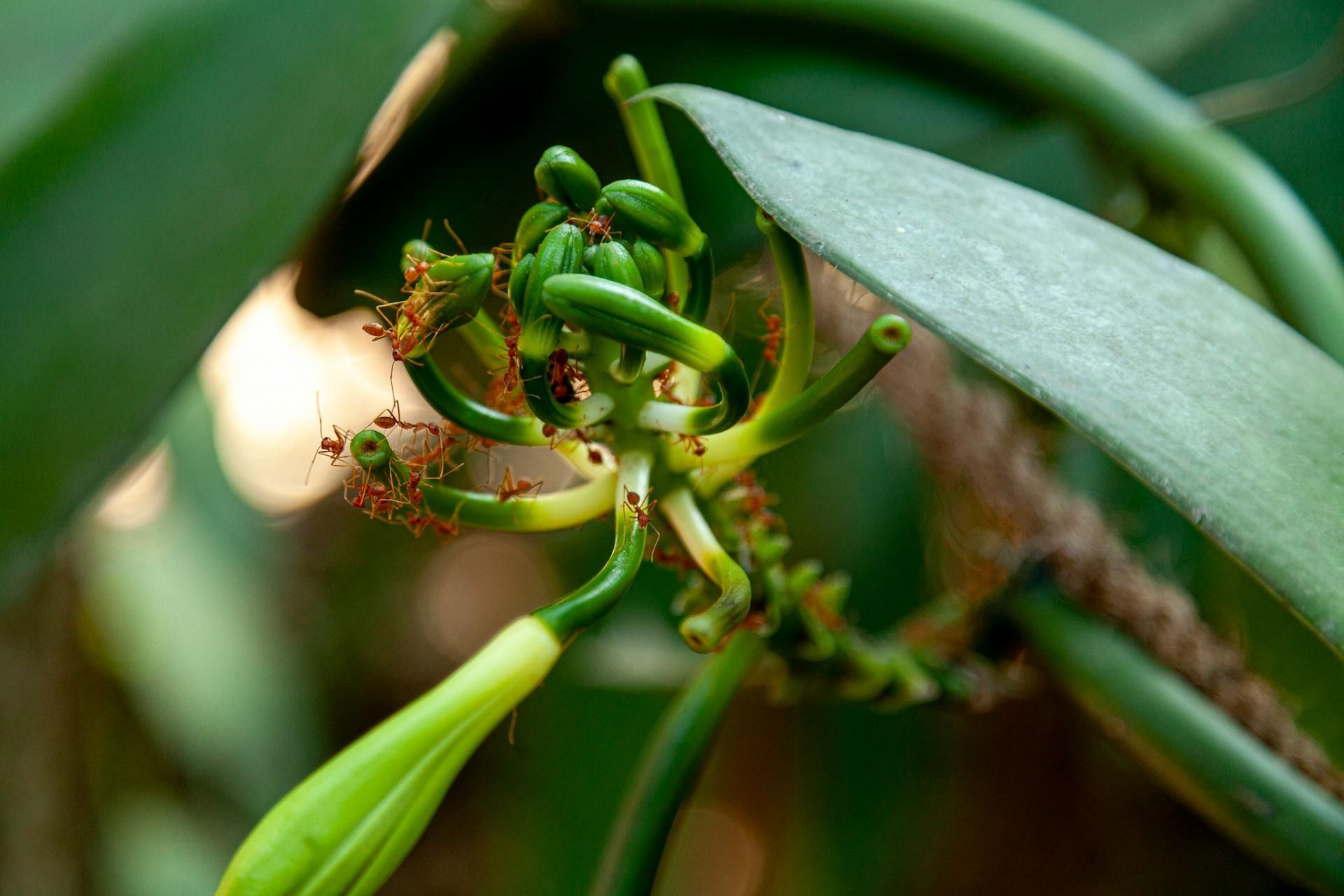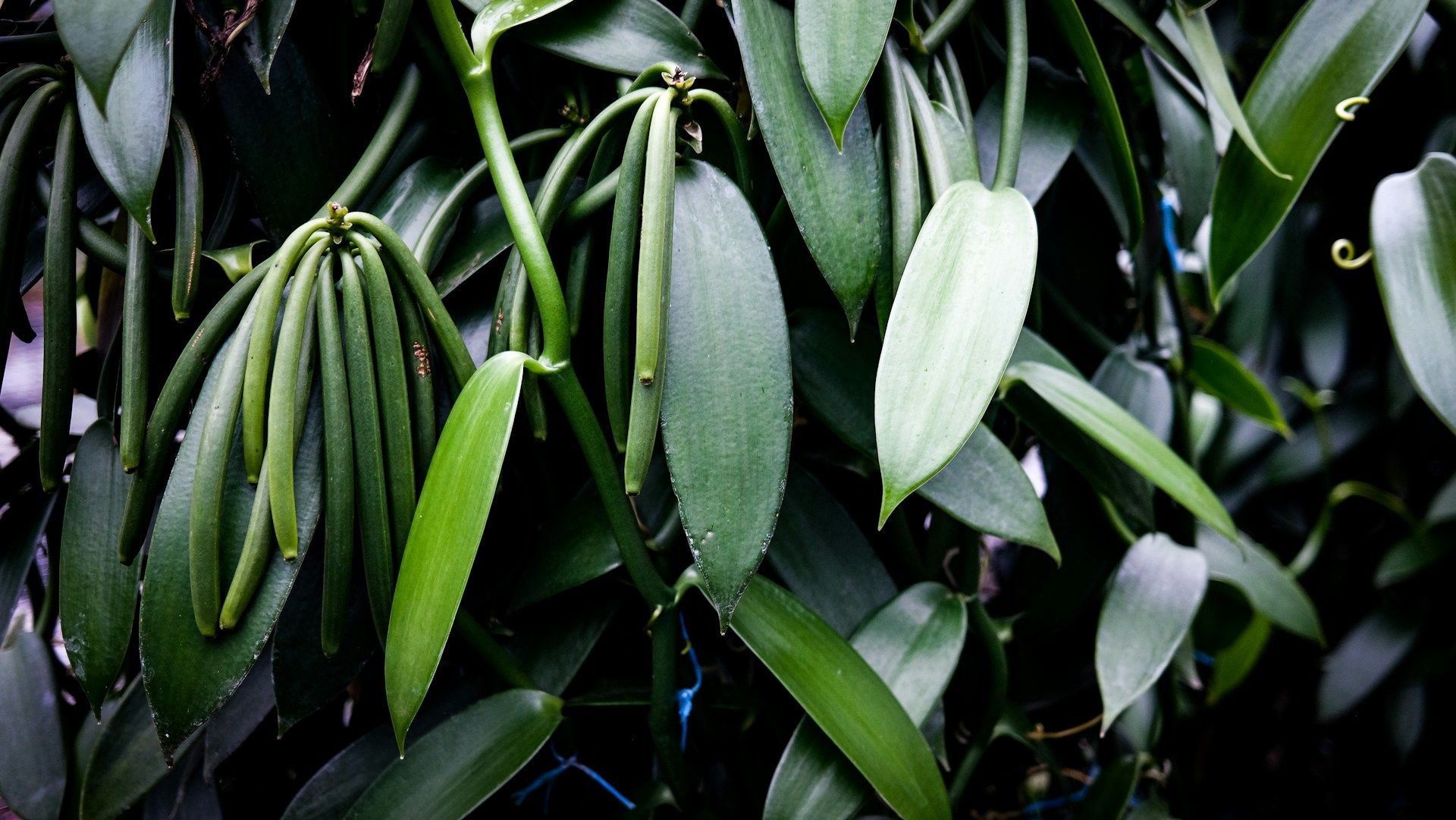

Growing a vanilla plant in Florida takes more than planting a cutting and hoping for the best. The state’s climate can look similar on the surface, hot, humid, sunny, but it hides big differences depending on where you are. Just a few miles apart, soil changes, shade patterns shift, and the way the land holds water can change dramatically.
We’ve spent years learning how those small differences, or microclimates, shape how a vanilla vine grows. From coastal breezes to tree-covered riverbanks, every patch of land tells its own story. Understanding that story is what makes our plants grow strong. If you’re thinking about putting a vanilla vine in the ground here, it helps to read your land and let it guide your steps.
What Microclimates Look Like Across Florida
Florida’s microclimates aren’t always obvious until you’ve worked a piece of land through all four seasons. What seems like a sunny, breezy plot in March can feel completely different come July.
- Coastal areas usually get more breeze and slightly cooler air in hot months. That wind can help with airflow, but it might dry the soil too quickly if there’s no tree cover.
- Inland spots, especially around Central Florida, tend to hold heat longer during the day. These areas might need more shade and water control to balance that warmth.
- Soil near swamps or freshwater springs often stays damp longer. That kind of ground needs good drainage or raised beds to avoid root problems, especially during rainy months.
- Tree cover changes everything. A few big oaks or palms on one side of the property can mean longer morning shade or slower afternoon drying. Where that shade falls and for how long will tell you a lot about how your vines will do.
When choosing a planting area, it helps to spend time watching where the sun hits first, where puddles linger, and how air flows through. These details sound small, but over time they shape every part of growth.
Matching Growing Areas to Vanilla Vine Needs
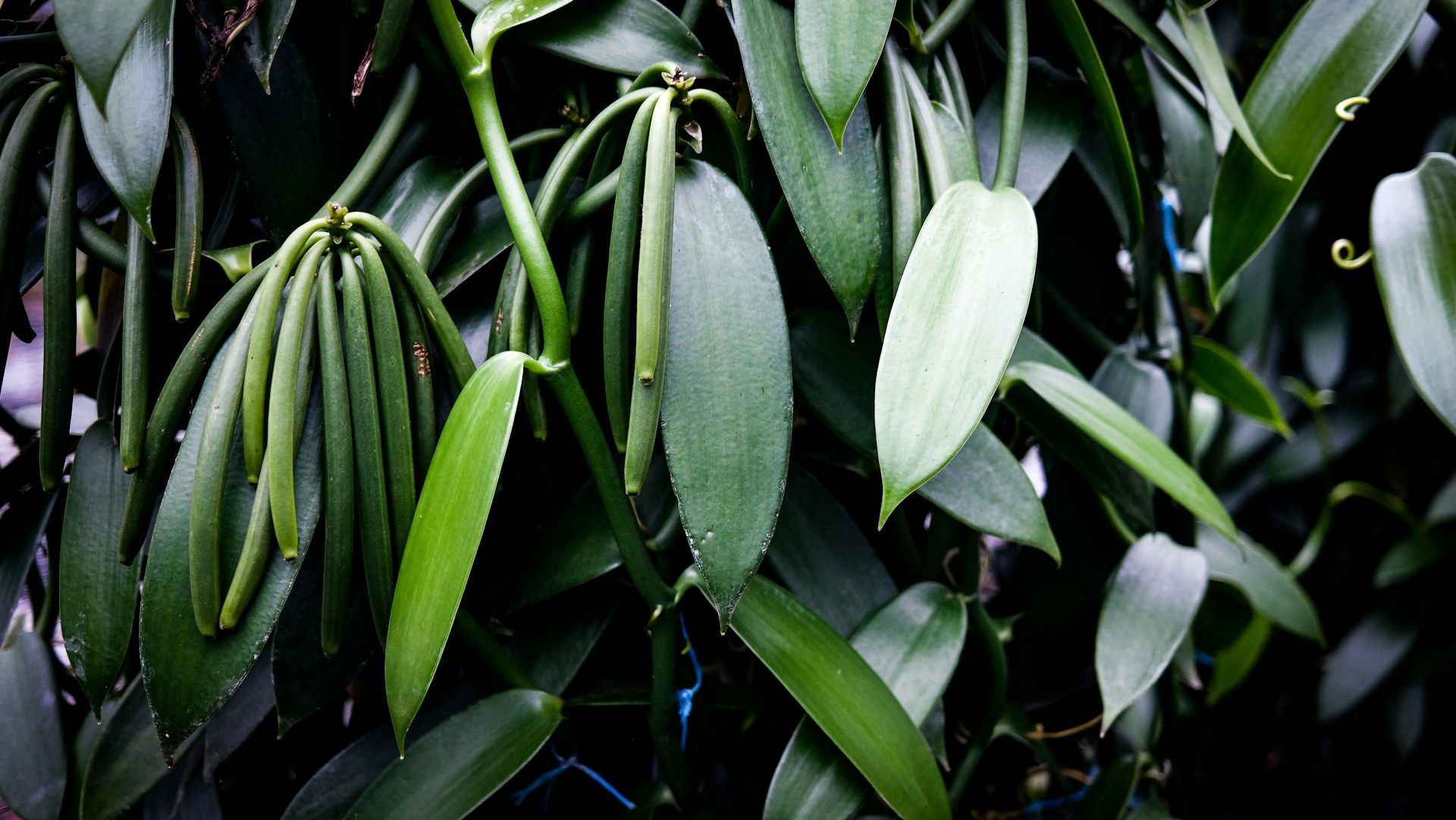
Vanilla vines like steady warmth, but not full-on afternoon heat. They need gentle light, humid air, and soil that holds some moisture without turning wet. They grow best where the conditions shift slowly, not harshly.
- Look for spaces with dappled shade. We often plant along tree lines or install shade cloth for young vines that need time to root without baking.
- Use wind blocks if your site gets strong gusts. This can be as simple as placing your vines near a fence or dense shrubs that soften the airflow.
- Make sure the ground can drain after a heavy rain. Raised rows or mounds help move water away from the base of your vines, which keeps root rot from taking hold.
Site choice isn’t about perfection. It’s about giving the plant what it prefers most often, knowing that heavy rains and heat waves will still come. A good vanilla spot in Florida keeps the vine steady through those shifts.
Making Small Tweaks Based on Microclimate
Sometimes big improvements come from small changes. We’ve seen that moving a vine just three or four feet to find more morning light or less standing water makes a noticeable difference.
- If air isn’t moving well, repositioning near a patch with natural breeze can stop early mold problems.
- If the vines dry too fast in sandy soil, we add ground cover or mulch to keep moisture in without overwatering.
- On land where storms cause pooling, a few extra inches of height can help roots stay dry after the rain.
Observing year-round helps you catch what a quick visit might miss. What feels comfortable now in early spring will feel different when summer heat builds. Pay attention to which parts of your farm bounce back fast after a storm and which ones hold puddles. These slow lessons keep each season a little smoother than the last.
What to Watch as Spring Arrives
By March, Florida’s warmth starts to wake everything up. This is when we begin to see how young vines handled winter and where we may need to adjust.
- Vines that turn yellow or droop could be getting too much sun or water. Both are common this time of year as light strengthens and rains return.
- Check soil around new plants after heavy rain. If it’s puddling or smells sour, it may be time to change your planting height or adjust your mulch.
- Be on the lookout for soft or mushy stems. Those signs often mean trouble below ground, and catching it early can save the plant.
Light and water move fast in Florida’s spring. Developing steady habits now, like watering in the morning and checking moisture by hand, helps vines build steady growth and avoid early stress.
From Patch to Pod: Why Microclimate Choices Matter Later
It’s one thing to get a vanilla plant rooted. It’s another to grow vines long and strong enough to loop, flower, and finally set pods. That’s why those early microclimate choices matter so much.
- A vine growing in too much heat or light may stretch too fast and snap easily when you start training it.
- Plants that stay too wet may survive, but they’ll lack the strength to push out flowers later.
- Airflow and shade don’t just prevent disease, they help the plant relax into slow, even growth, which is exactly what a vanilla vine needs.
Every season builds on the one before. A well-chosen growing spot keeps vines healthy in the wet season, steady during dry weeks, and strong for hand-pollination when flowers arrive. You’ll thank your past self when the pods start forming.
Let the Land Guide the Plant
Every piece of land in Florida has quirks. Some spots drain fast, others hold water. One side gets drier winds, the other stays shaded until noon. These things shape how your vanilla plant responds and how well it holds up through the seasons.
The more closely you watch those shifts, the better you can prepare and adjust. Over time, your farm teaches you where each vine fits best. That’s what gives your vanilla a real chance to thrive, one careful step at a time.
At Sunshine State Vanilla, we grow our stock locally and adapt each plant to Florida’s unique light, soil, and moisture patterns. Our vanilla vines are given the space, care, and patience they need to thrive. See our current selection of virus-tested, Florida-grown starts and find the ideal
vanilla plant in Florida for your next planting season. Not sure where to start? Reach out and we’ll guide you every step of the way.