
Turmeric grows well in Florida thanks to our heat, long days, and damp soil. This tropical root crop doesn’t need cold, which makes it a great fit for our gardens and backyards. Florida grown turmeric handles the same environment as ginger and does best when planted in the warm soil we get starting in spring.
The harvest cycle for turmeric works differently than for quick crops like lettuces or greens. You’ll wait months between planting and harvest, and timing really matters. Pull it too early, and the roots will be soft and bland. Leave it too long, and the tops rot out before the roots finish drying. We’ve laid out the full cycle to help you stay on track, from when to plant, how to spot maturity, and what to do after harvest so your turmeric keeps its flavor.
When to Plant and What to Expect
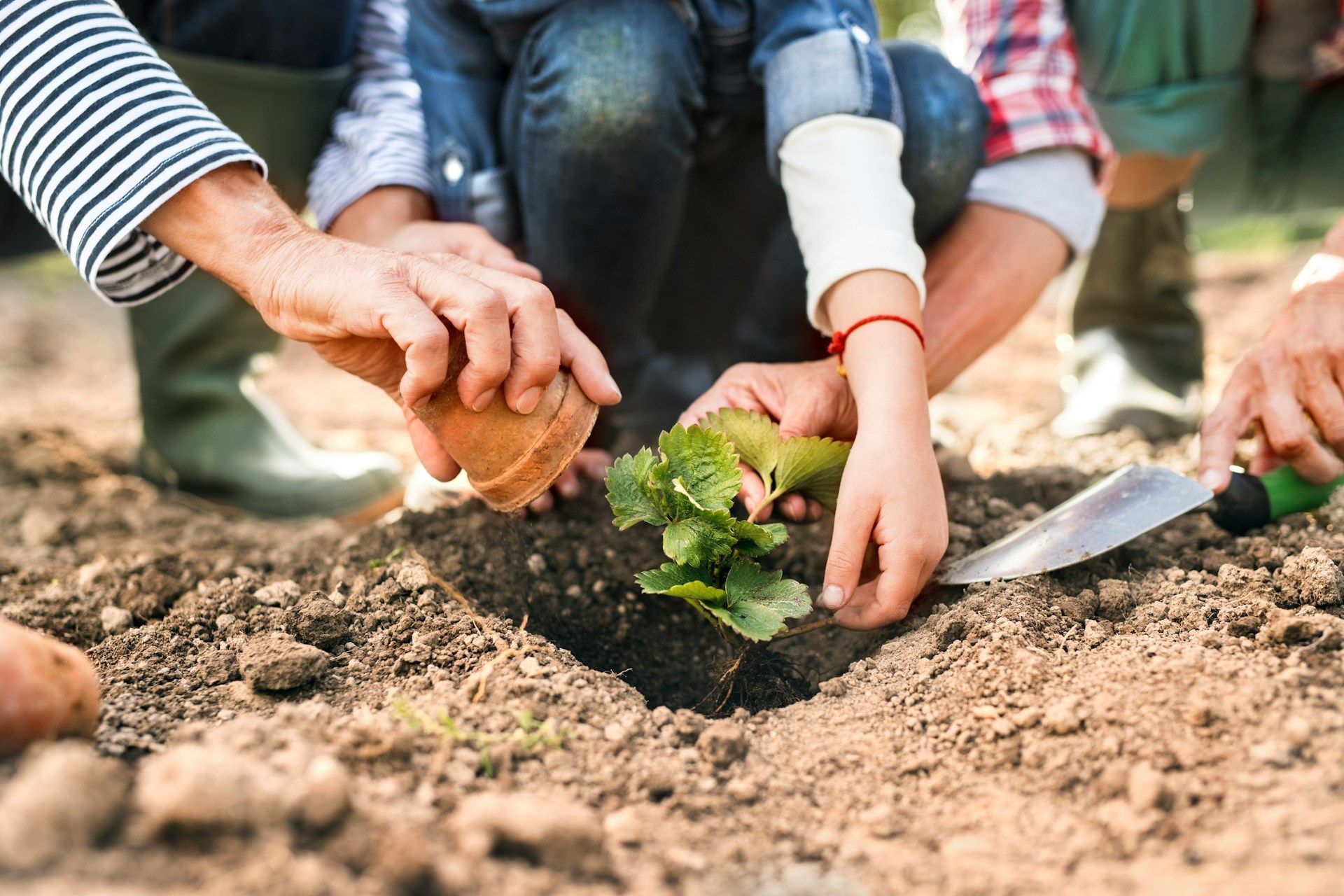
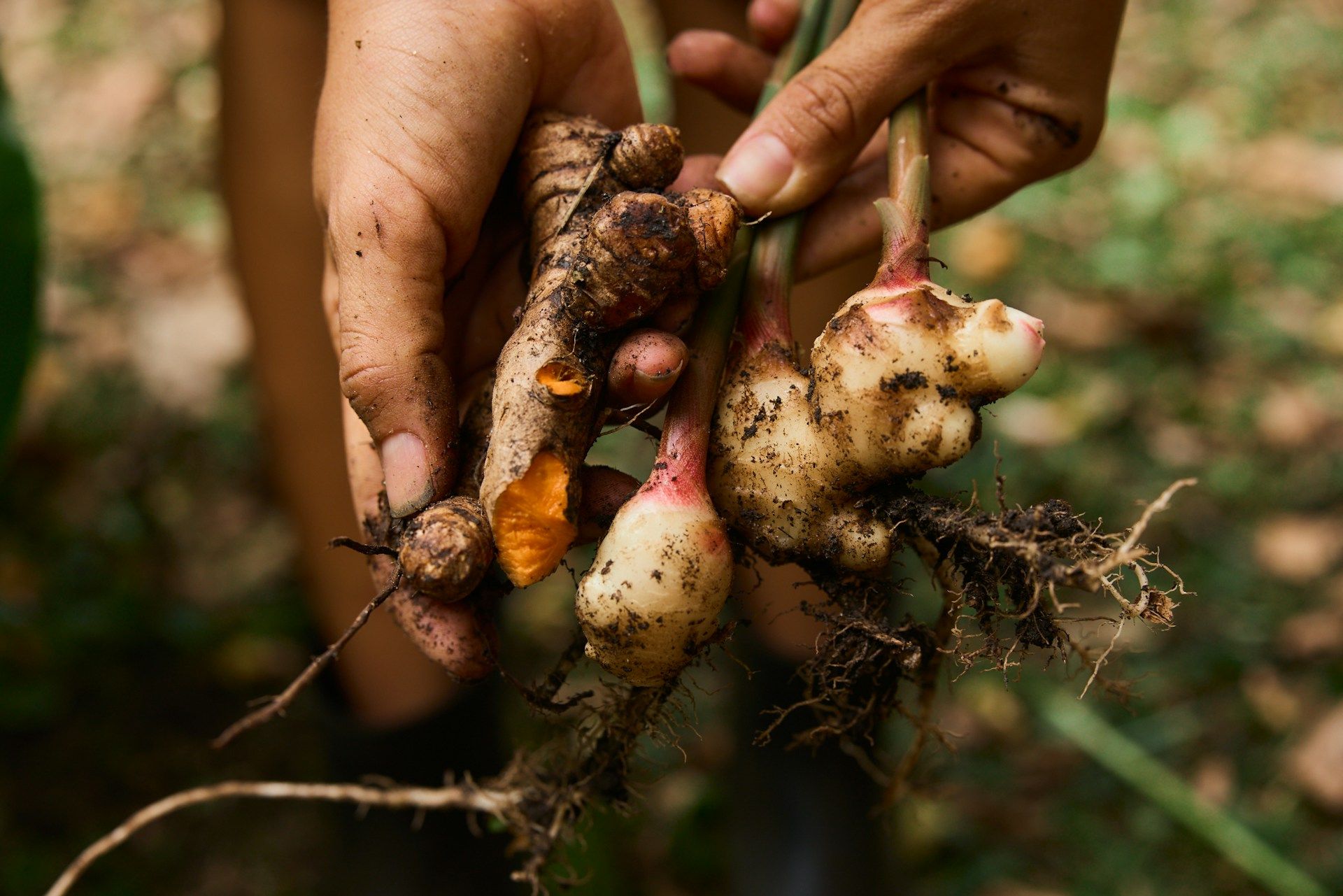
We usually put turmeric in the ground sometime between late March and early May, once the danger of chill is gone. Since it doesn’t grow from seeds, we use root cuttings, called rhizomes, that look like knobs of fresh ginger. Each piece should have at least one bump or “eye” that can sprout.
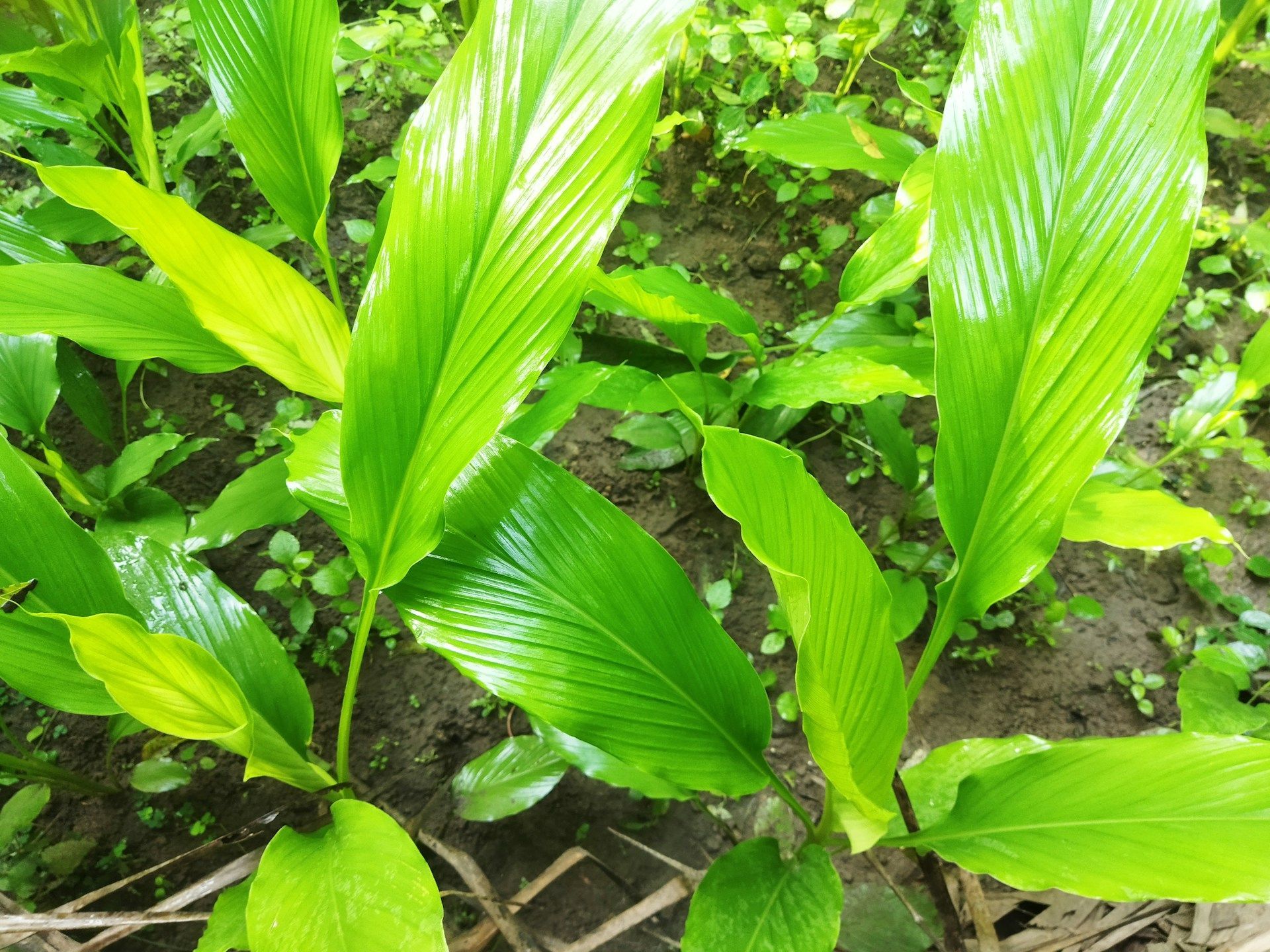
Once planted, turmeric takes time to wake up. Don’t expect shoots right away. You might wait several weeks before seeing green tips. That pause is normal. By early summer, the plant should be about a foot tall with wide, upright leaves. These leaves are a sign the roots are forming just below the surface.
Turmeric grows slowly but steadily during Florida's long summer. The heat, paired with warm rains, keeps the roots active. As we head into fall, the plant uses less energy on its leaves and starts focusing down into the roots. That shift marks the beginning of its harvest stage.
How to Track Growth and Spot Maturity
Once summer ends and the weather begins to change, we start watching the plants more closely. Around October through December, the leaves begin to fade. They lose color, some turn brown, and eventually start to droop or fall over. This is not a bad sign. It's exactly what we want.
Here are a few signs that your turmeric is nearing harvest:
- Leaves dry out and yellow before falling
- Stems soften and lean without holding shape
- Soil near the roots looks drier and might crack slightly
Most Florida grown turmeric is ready to dig about 8 to 10 months after planting, depending on how early you got it in the ground and what the weather was like that year. Backyard growers should look more at plant signals than the calendar. Some years might move faster if the spring warmed quickly, while other years it might take until January.
Harvesting Methods That Protect the Crop
Once turmeric shows it’s ready, we start harvesting carefully. The roots grow in clumps, and they're easy to bruise. Dig slowly and use your hands whenever possible. Garden forks or small shovels work too, as long as you're not slicing straight through the cluster.
Set aside a few of your healthiest rhizomes for replanting later in the year. These should be firm, bright inside, and free from nicks or soft spots.
To prep the remaining harvest for drying or fresh use:
- Rinse loosely with water to remove soil
- Gently trim off any weak or thin extensions from the base
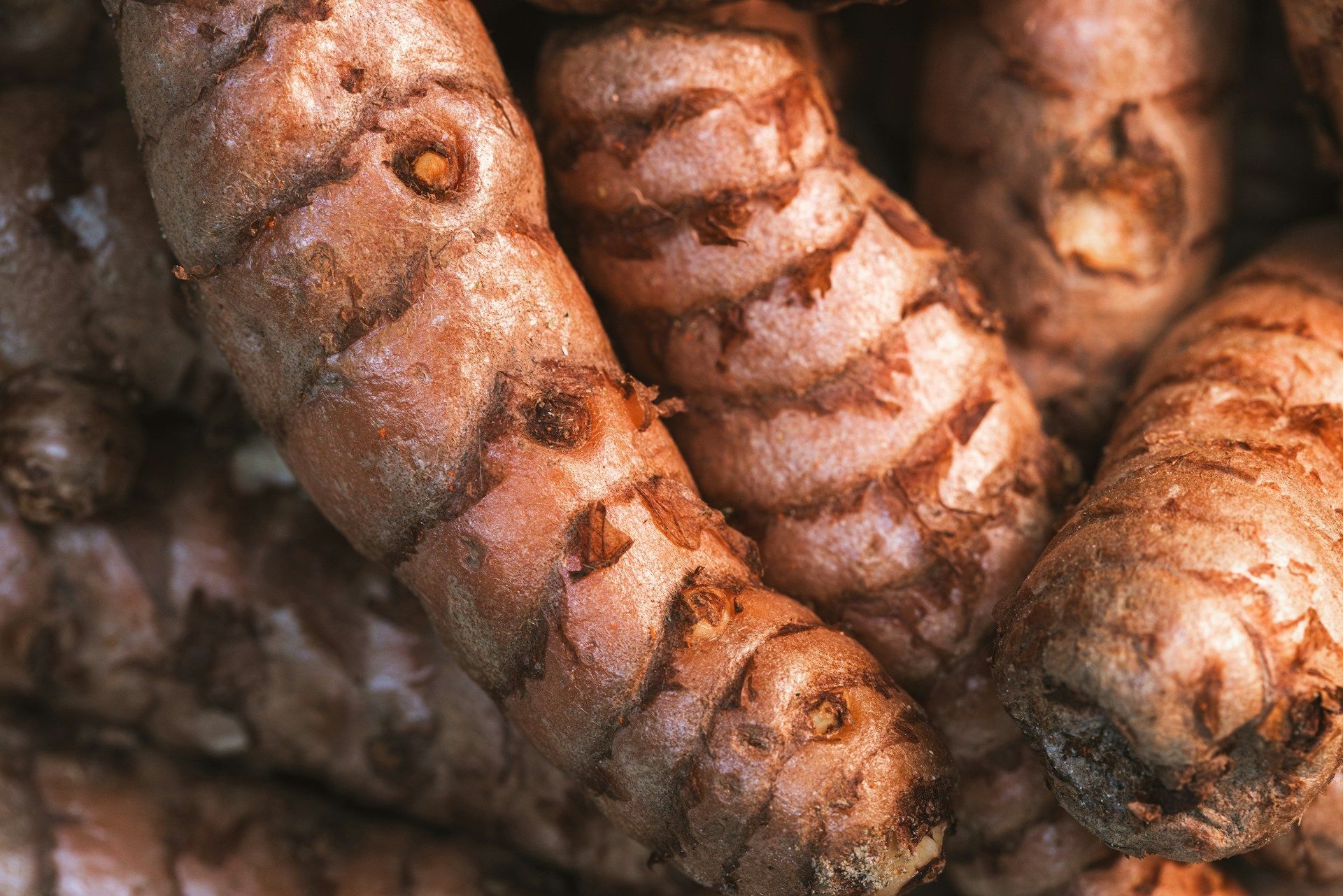
- Don’t scrub or peel them yet, keep the outer skin intact
Any rough treatment during this step can shorten storage time or lead to mold later on.
Drying, Curing, and Short-Term Storage
Turmeric doesn't last long straight out of the ground. It needs curing, which is a drying process that hardens the skin and seals in flavor. In Florida, humidity is still high through January, so extra steps help.
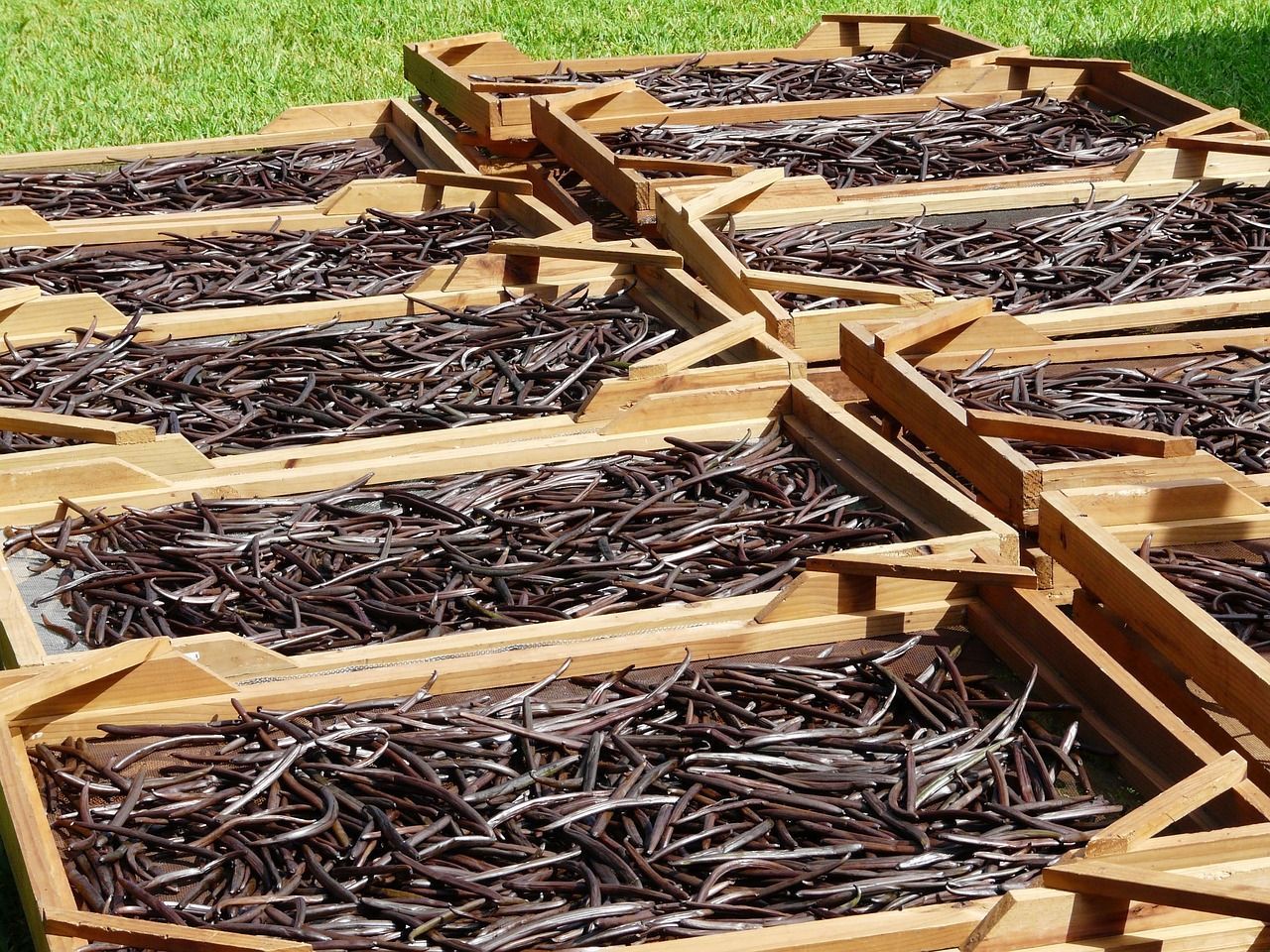
Curing works best in a warm spot with airflow. Spread the rhizomes out in a single layer, making sure they don’t touch. We leave them in a porch area or under a fan indoors for about a week. Flip every couple of days to let moisture escape evenly.
Once fully cured, they’ll have a tougher feel and a deep orange core when sliced. At that point, you're ready to store. For short-term storage:
- Keep rhizomes in a paper bag or open container
- Set in a cool, dry cupboard, not the fridge
- Avoid sealing them in plastic unless already powder-dried
If they’re soft or damp, dry them longer before bagging. If the roots mold, don’t use them.
Sunshine State Vanilla offers turmeric rhizomes that are adapted to Florida conditions and grown using sustainable practices, ensuring the best results for local gardeners. Our turmeric, Curcuma longa, is selected specifically for its color, flavor, and strength in Florida’s unique climate.
The Long Wait Pays Off
From spring planting to winter harvest, turmeric takes time. It’s not a quick crop, but it works well with Florida's warm months. Most growers can expect to dig up their turmeric between December and early February if they start in spring. Right now, late January is a smart time to check any plants still in the ground for signs of peak ripeness.
It takes patience, but there's something rewarding about pulling up that bold, golden root after months of silent growth underground. For us, tuning into this kind of seasonal rhythm is part of what makes growing food in Florida special. By learning how turmeric moves through its cycle, we get roots with better flavor and healthier future starts year after year.
Thinking about your next season’s planting or preparing to dig soon? Explore how we grow and prepare our turmeric here in Florida, where ideal conditions produce strong, healthy roots that hold their flavor and color throughout the winter. To discover what we offer and learn more about growing
Florida grown turmeric on your land, browse our current selection. At Sunshine State Vanilla, we’re always happy to share our knowledge and experiences with this amazing crop, so reach out anytime with questions.