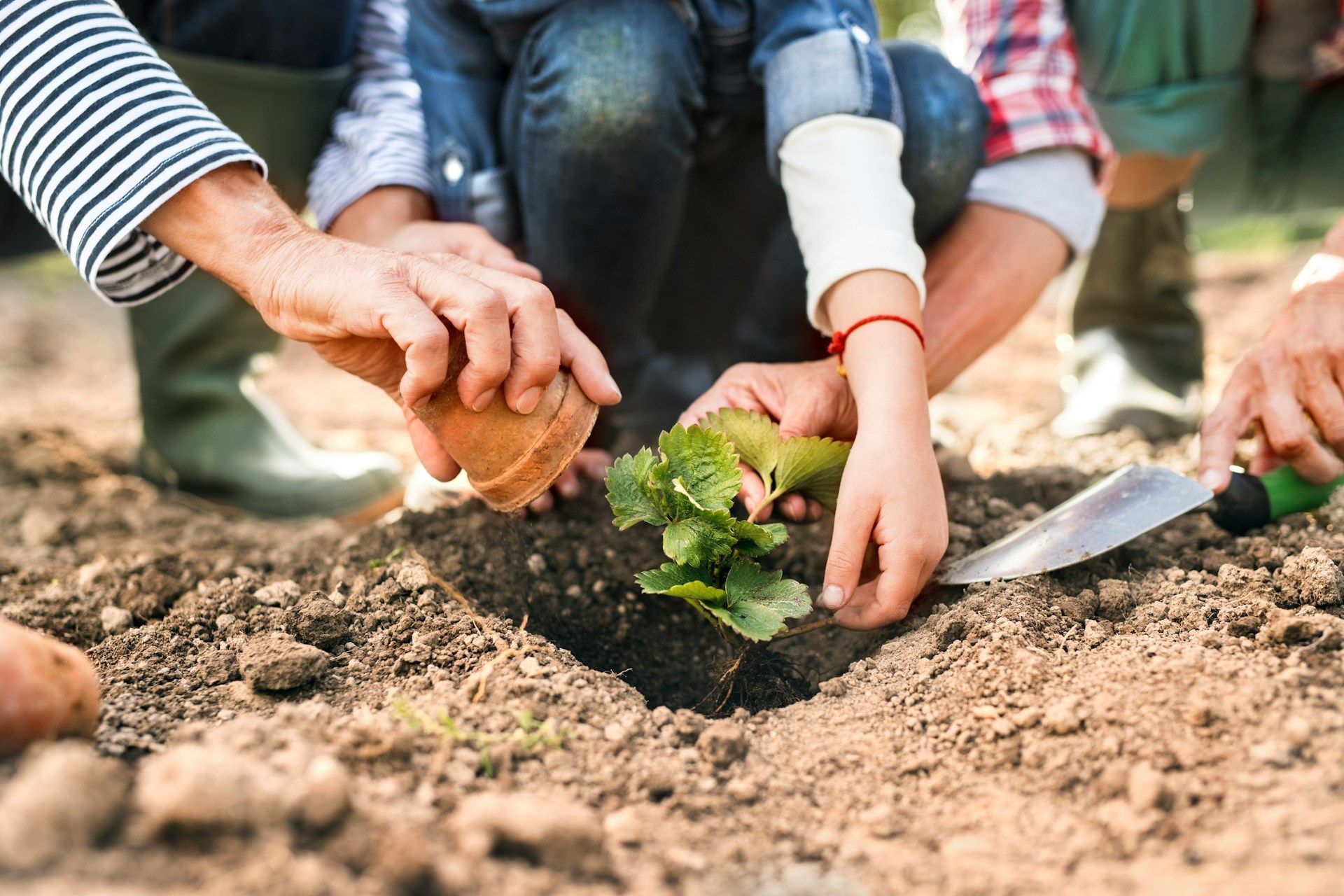

If you live in Florida and want to grow vanilla beans at home, you're in the right place. The warm, humid conditions here make it possible to grow vanilla beans in Florida without needing a greenhouse. That said, vanilla is not a plant you can forget about once it’s in the ground. It takes patience, effort, and daily care to get it right.
Growing vanilla outside in Florida works well because we have a long warm season and plenty of moisture in the air. But those same conditions can become a problem if you haven’t planned for shade, air movement, and drainage. To help your vines thrive, you’ll want to think through everything from plant variety to support structures, watering needs, and how to protect your vines as the seasons shift.
Choosing the Right Vanilla Variety for Florida
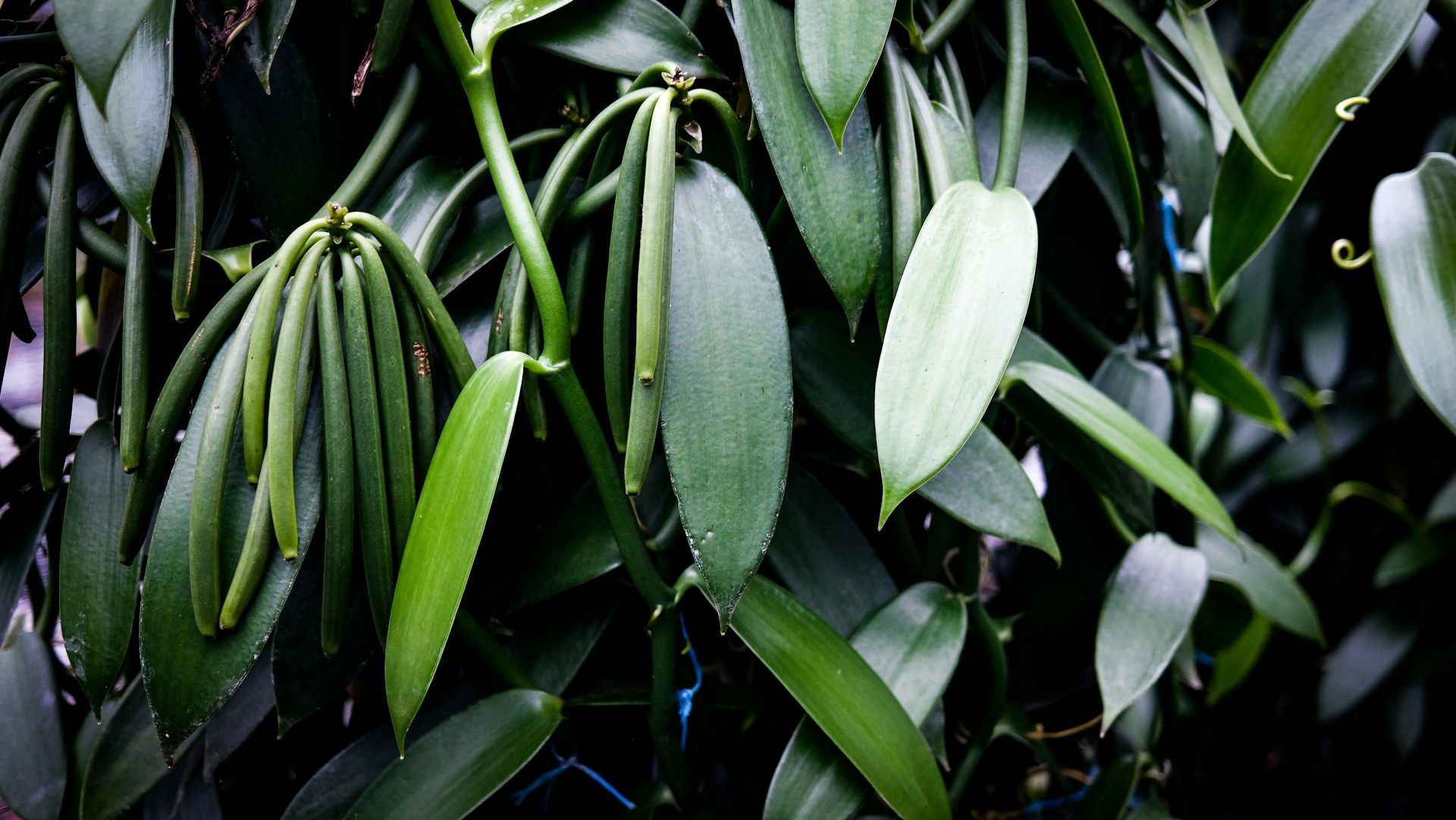
Not every kind of vanilla grows well in the open air of Florida. Some varieties are more fragile and need the full control of a greenhouse to stay healthy. One variety, Vanilla planifolia, does better outside with the right setup. This is the same species that produces most of the vanilla used around the world. It handles Florida’s hot days and humid nights fairly well.
Look for these features when picking out your starter vine:
- A healthy root system that’s already well-established
- Heat tolerance for summertime highs
- A natural preference for filtered light, not full sun
- Strong vines that can climb as they grow
Sunshine State Vanilla grows rooted, virus-tested Vanilla planifolia cuttings that are selected specifically to succeed in Florida’s conditions. Opting for plants with disease resistance helps safeguard your effort, especially in outdoor settings where air circulation and humidity can be hard to control.
Starting with a hardy plant makes a big difference. If you try to grow from seed or a weak cutting, you’ll spend more time trying to keep the plant alive than helping it grow. A rooted cutting or a young vine with some length gives you a better shot right from the start.
Creating the Right Growing Environment Outdoors
Vanilla vines are a type of climbing orchid. In nature, they grow by wrapping themselves around trees in tropical forests. They don’t like direct sunlight all day, and they don’t do well where the air is too dry or the ground stays soggy.
To copy their natural home, here’s what we focus on outdoors:
- Dappled shade is best. You can plant vanilla at the base of a tree with open branches or use a shade cloth to soften the sun.
- Humidity is helpful. If you’re in a drier part of Florida, like central or inland areas, light misting in the morning can help.
- Good drainage matters. Don’t plant in spots where water collects after rain. Raised beds or loose soil with added bark or compost works well.
- Support is required. Use trellises, wooden poles, fences, or tropical trees with smooth bark to give the vine something to climb.
According to Sunshine State Vanilla, well-drained, loose soil, such as orchid bark mixed with compost, helps prevent root rot while giving the roots room to stretch, just like in their native habitat. During Florida’s short winter dips, it helps to have a light cover or blanket nearby if temps fall into the 40s. We usually don’t get frost, but winds and cooler nights can stress the plant if it’s not protected.
Daily Care and Seasonal Support
Vanilla is slow-growing, but it prefers regular care. Once your vine is in place, it may seem quiet, but there's work happening each day underground and along the stem. January is a great time to start thinking about spring growth. The plant will respond to warming temperatures, even before you notice changes up top.
To help things along:
- Keep the soil lightly moist. Water in the morning, and add a gentle mist to the leaves during dry spells.
- Cover or adjust the plant if it’s getting too much sun. Even in winter, strong sunlight can burn young vines.
- Prune soft or weak tips to keep the vine healthy and focused on climbing.
- Use an orchid-safe fertilizer every couple of weeks in the growing season, starting in early spring.
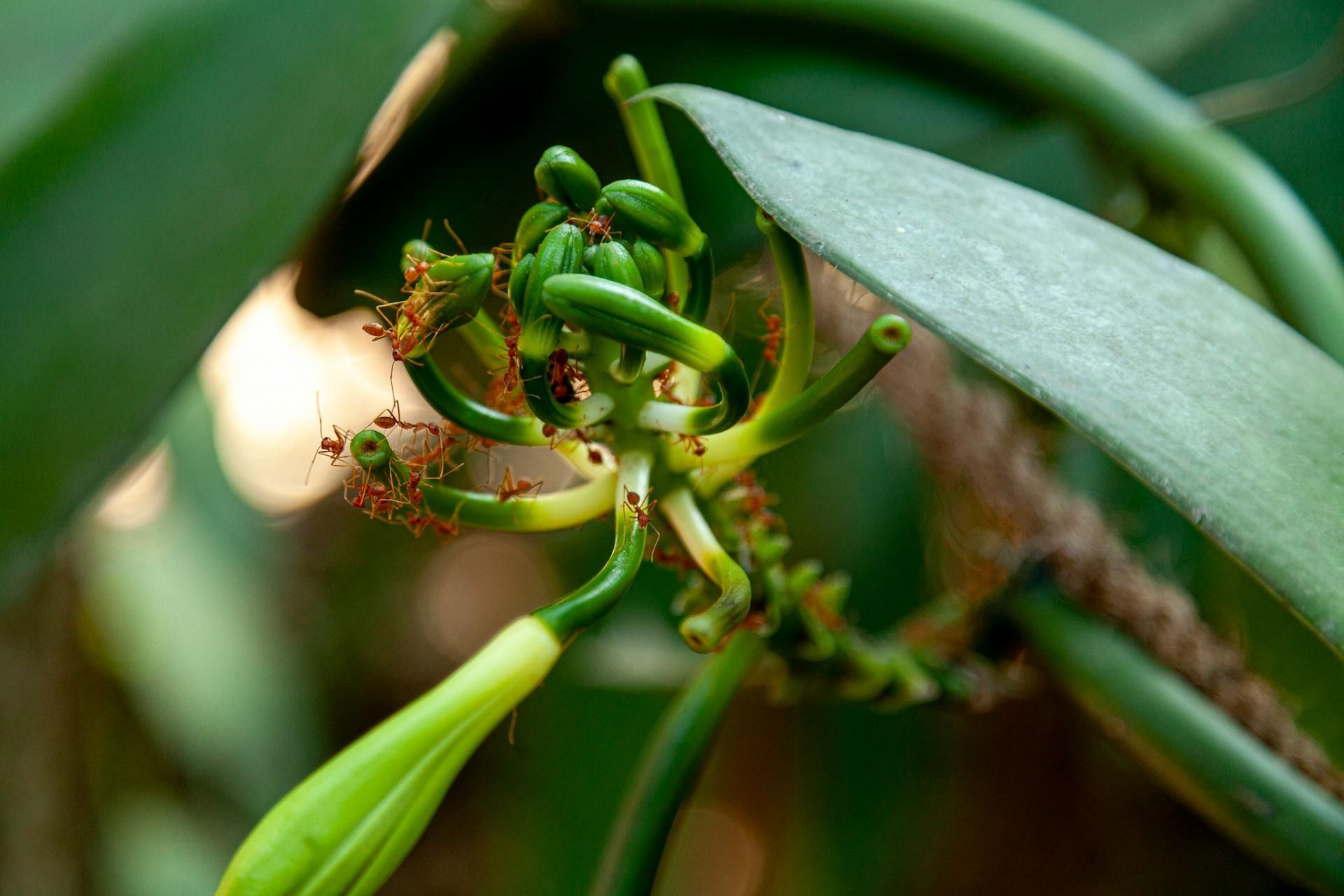
- Vanilla flowers only bloom for one day, and in Florida’s outdoor setting, you’ll need to pollinate them by hand.
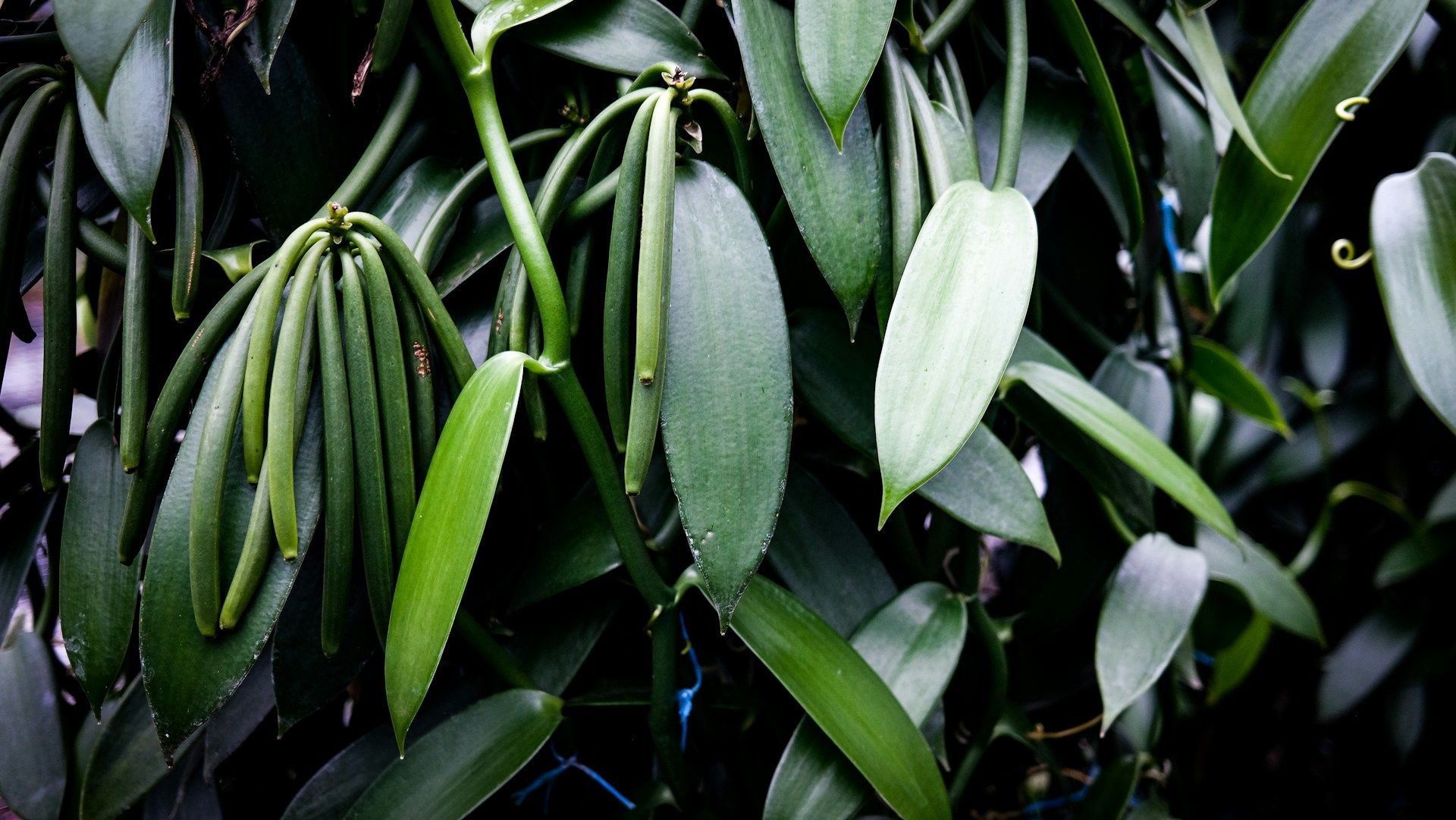
Pollination sounds tricky, but once you learn how, it’s a quick part of your morning routine. Each pollinated bloom turns into a bean pod that takes several months to grow and ripen.
Watching for Pests and Growing Problems
In outdoor vanilla growing, there’s always something to watch. A few garden pests and environmental problems can hurt your plant if left alone. Luckily, most problems have early warning signs.
Keep an eye out for:
- Soft spots or mold on roots, which can mean the soil is staying too wet
- Yellowing or wilting leaves, often caused by too much sun or too little water
- Aphids, mealybugs, or fungus on leaves and stems, especially in humid conditions
To stay ahead of problems, we like to:
- Walk the planting area every few days, checking the leaves and base of the vine
- Use wide spacing to let air move easily between plants
- Remove debris near the bottom of the plant to keep insects and mold away
- Note changes so we can track what works and what doesn’t
Keeping notes helps build a pattern over time. Since each season is different, being observant is the best way to improve year after year.
Patience Through the Seasons
Vanilla vines don’t grow overnight. It can take several years for a plant to produce its first bean. Once it settles into the environment, it can keep blooming for seasons to come. Florida’s weather gives a strong head start, especially when planting in late winter and preparing for spring growth.
Growing your own vanilla is a long-term choice. It’s not fast, but it is rewarding. Watching your first few beans form and ripen feels like proof that the daily time and care were worth it. With planning, attention, and patience, it is completely possible to grow vanilla beans in Florida without a greenhouse.
Starting your own backyard vanilla vine is easy when you choose a plant suited for Florida’s unique climate. At Sunshine State Vanilla, we grow and offer virus-tested Vanilla planifolia selected for successful outdoor cultivation. Whether you live inland or close to the coast, our plants are bred to give you the best opportunity to
grow vanilla beans in Florida. We’re always here to answer your questions and help you get started, so reach out to us any time through our contact page.