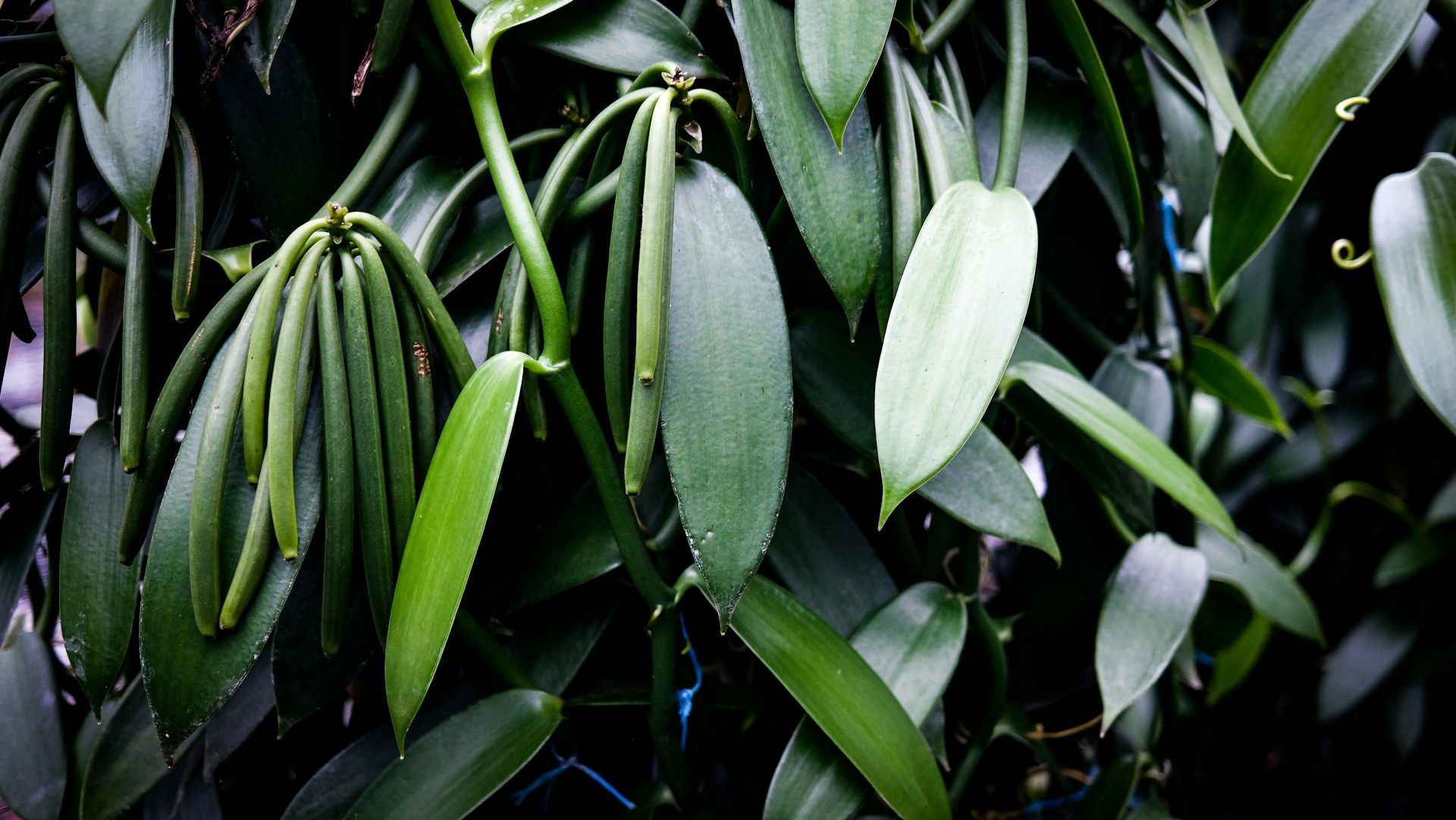
Pollination is a vital aspect of growing healthy vanilla plants, especially in regions like Florida, where many farmers strive for a thriving vanilla harvest. Keeping vanilla plants well-pollinated ensures they produce the coveted pods essential for cultivation and harvesting. This process involves understanding how plants naturally pollinate and fostering an environment that encourages this valuable exchange.
Vanilla thrives in Florida due to the state's warm climate, and successful pollination is a central part of this success. As we delve into the techniques and practices that help maintain healthy pollination, we'll explore how vanilla plants are pollinated and the methods you can use to create an optimal environment for your crop. From understanding natural pollinators to preparing your vanilla plants for peak pollination, these insights will guide you in maintaining robust vanilla plants and ultimately, a successful harvest.
Understanding Vanilla Plant Pollination
Vanilla plants have a unique pollination process that requires particular care and attention. Unlike many plants that can rely on wind or a wide variety of insects to transfer pollen, vanilla relies heavily on specific natural factors. One of the key pollinators for vanilla, especially in Florida, is the Green Orchid Bee. This vibrant bee not only aids in the pollination process but thrives in warm climates, making it an essential contributor in regions like Florida.
Understanding this relationship begins with recognizing how vanilla plants are naturally pollinated. In the wild, certain species of bees are crucial for transferring pollen. However, these bees are not always present outside their native environments, such as Mexico, where vanilla originates. Because the Green Orchid Bee can play a similar role in Florida, attracting and maintaining a habitat that supports this bee can significantly enhance pollination.
For gardeners and farmers in Florida, creating a welcoming environment for these bees involves thoughtful planting and care. Some effective practices include:
- Planting a variety of flowering plants around vanilla crops to provide additional food sources and attract pollinators.
- Ensuring there is ample water nearby, as bees often need easy access to hydrate while they forage.
- Avoiding the use of harsh pesticides that could deter or harm the bees and other beneficial insects.
By keeping these factors in mind, growers can encourage a natural pollination process, reducing the need for hand pollination and boosting the overall health and productivity of their vanilla plants.
Preparing Vanilla Plants for Pollination
Creating the right conditions for vanilla plants to be pollinated effectively is crucial. To do this, growers need to focus on several important aspects, ensuring plants are well-prepared and the environment is conducive to pollination. Here’s how you can get started:
Maintain Optimal Conditions:
- Ensure that the plants receive adequate sunlight, which encourages strong growth. Vanilla plants thrive in bright but indirect light, making it ideal to recreate these conditions.
- Control humidity levels, as vanilla prefers a moist environment. This can be managed by misting plants or installing a simple drip irrigation system.
- Keep the soil well-drained yet consistently moist. Vanilla does not tolerate waterlogged conditions, so adjust watering practices according to weather patterns.
Proper Spacing and Pruning:
- Space the vanilla plants appropriately to allow for adequate airflow. This reduces the risk of disease and promotes cleaner growth, providing a healthier environment for both the plants and pollinators.
- Regularly prune vanilla plants to remove dead or overcrowded branches. Pruning helps improve air circulation and light penetration, both of which contribute to a more suitable environment for pollination.
By focusing on these areas, growers can make sure their vanilla plants are not only positioned well for natural pollination but are also healthy and robust enough to support ongoing growth and development. This preparation forms the foundation for attracting pollinators like the Green Orchid Bee and ensuring a fruitful vanilla harvest.
Encouraging Pollination in Vanilla Plants
Encouraging effective pollination involves making your farm an attractive spot for pollinators, especially the bees crucial to vanilla. Creating a habitat that draws them in goes a long way. One method is planting companion flowers. These blooms not only add beauty but also offer a food source and shelter for bees and other insects.
To make your area inviting for pollinators, consider these suggestions:
- Grow flowering plants like lavender or sunflowers near your vanilla crops. These are known to attract bees.
- Install birdbaths or shallow water dishes as water sources, which bees use often.
- Maintain a diverse planting area with various blooms in different seasons to provide consistent resources for pollinators.
Besides plants, you should ensure that the environment remains welcoming and safe. Avoid pesticides that can harm beneficial insects. Instead, opt for natural solutions to manage pests and diseases. By creating a pollinator-friendly zone, you're boosting the chances of successful vanilla plant pollination.
Common Pollination Challenges and Solutions
Pollination isn’t without its issues. Throughout the growing season, several obstacles can disrupt this process, leading to poor vanilla yields. Recognizing these challenges early helps in tackling them effectively.
Here are some common issues and solutions:
1. Lack of Pollinators:
Sometimes, even with the right conditions, not enough pollinators may visit your vanilla plants. In such cases, hand pollination becomes necessary. It's a meticulous task requiring patience and precision but can save a harvest.
2. Diseases and Pests: Diseases can easily spread and affect plant health, hindering pollination. Regular inspections and prompt treatment mitigate damage. Using organic sprays helps control pests without determent to pollinators.
3. Weather Conditions:
Extreme weather, such as unexpected cold snaps or heavy rains, might disrupt pollination. Protect your plants using temporary covers during harsher weather periods.
4. Environment Management:
Often, an overcrowded vanilla area can lead to poor air circulation and less effective pollination. Regularly pruning and keeping plant spacing optimal addresses this issue.
Addressing these challenges early ensures that your vanilla crop remains healthy and capable of producing quality pods.
Making the Most of Your Vanilla Harvest
Maintaining a flourishing vanilla crop begins with fostering a healthy pollination environment. By understanding the natural relationships between vanilla plants and their pollinators, you can set up a thriving vanilla farm or garden. Encouraging pollinators, carefully preparing your plants, and addressing challenges promptly all contribute to maximizing your crop's potential.
While it's a bit of a journey, the effort put into ensuring a successful pollination process pays off when you see those lush vanilla pods. They not only represent your time and dedication but also the natural harmony between the environment and agriculture. So, as you nurture your vanilla plants, remember the simple practices you can employ to encourage vibrant growth and a rewarding harvest.
To ensure your vanilla plants reach their full potential, starting with the right
vanilla seedling is key. At Sunshine State Vanilla, we offer high-quality Vanilla Planifolia plants that are virus tested and grown in Florida. Discover a variety of options to suit your needs by exploring our selection of plants.