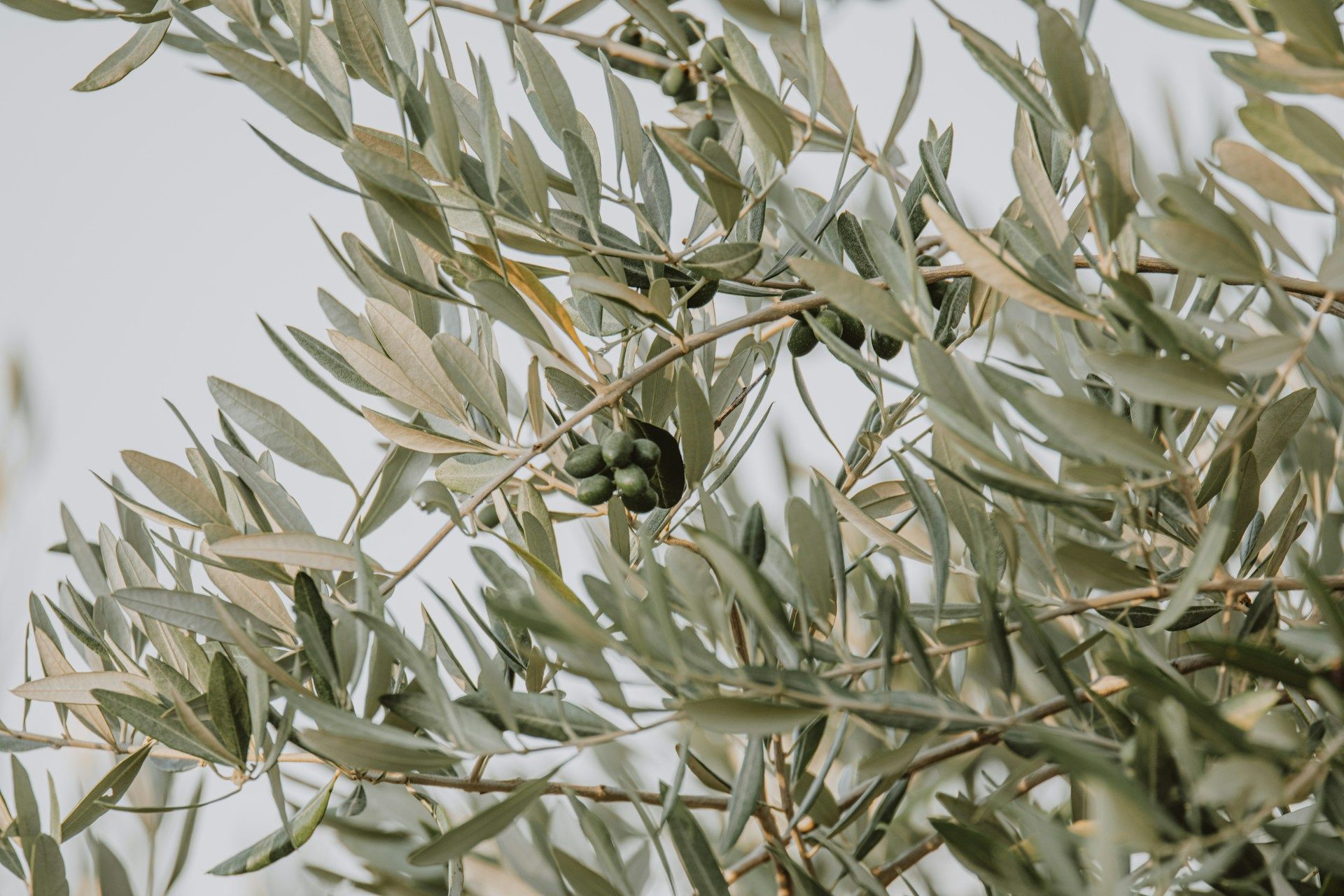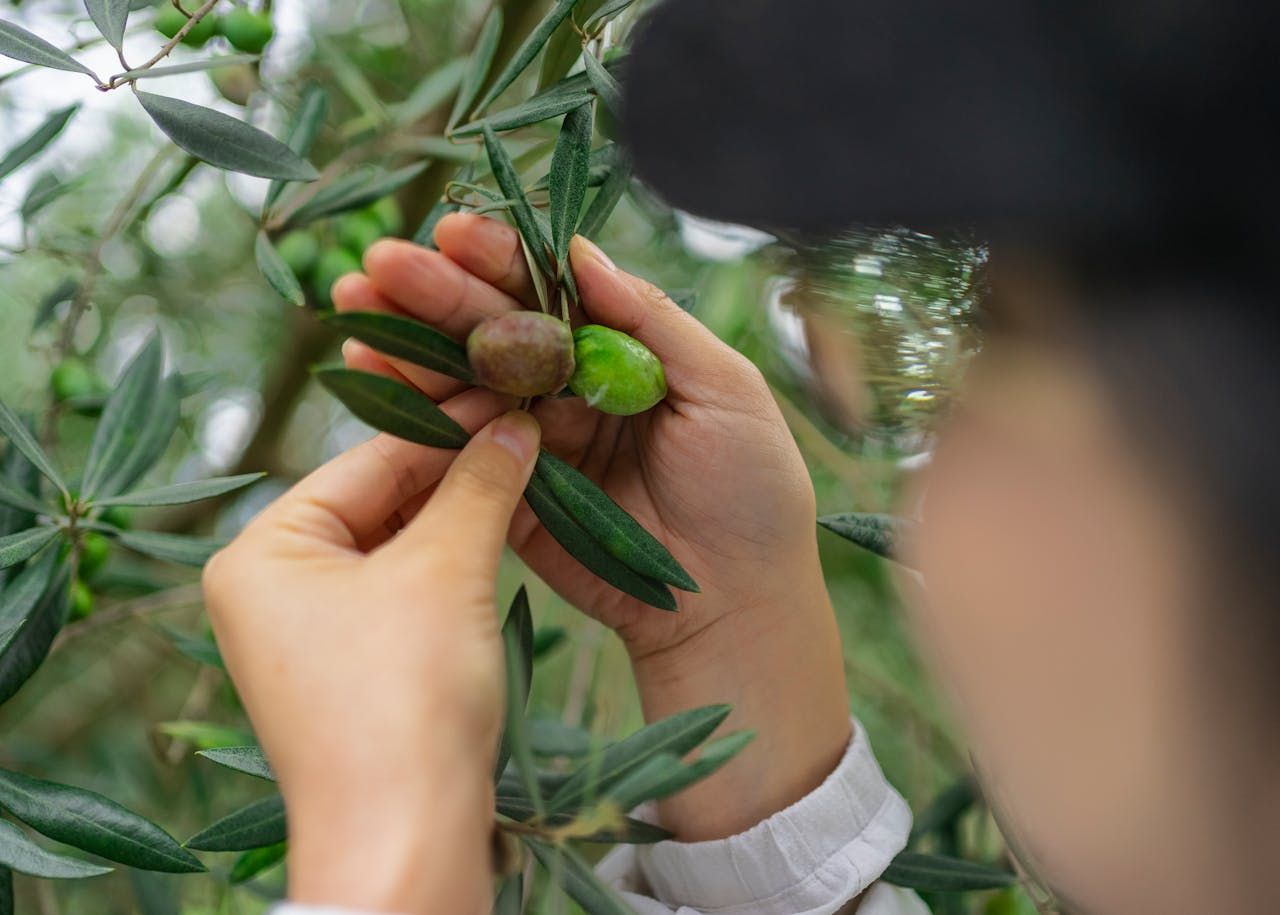
Facing the challenges of soil issues is a common experience when managing olive tree farms in Florida. The state’s unique climate and soil conditions often bring about specific difficulties that farmers need to tackle head-on. These might range from improper drainage to nutrient deficiencies. Keeping the soil in top condition is key to ensuring healthy olive trees, which ultimately leads to a bountiful harvest. In this context, understanding the underlying soil problems and knowing how to address them can make all the difference.
Why is soil health so important, you ask? Well, healthy soil acts like a backbone for your olive trees. It supports root development, helps fight diseases, and enhances the trees' ability to absorb water and nutrients. This nurturing environment allows your trees to grow strong and produce quality olives. By proactively handling soil issues, you can create a thriving environment for your olive farm right here in Florida.
Identifying Common Soil Problems
Before addressing solutions, it’s crucial to pinpoint the typical soil issues you might encounter. Knowing what to look for is the first step to fixing the problem. Here are some common challenges olive tree farmers face:
1. Poor Drainage: Excess water can drown roots, leading to stunted growth or worse. Watch for water puddles that linger after heavy rains or irrigation, as they suggest drainage problems.
2. Low Fertility: Olive trees need a balanced diet of nutrients, and nutrient-poor soil can impede their growth. Signs of nutrient deficiency include yellowing leaves or reduced fruit production.
3. pH Imbalances: Olive trees prefer slightly alkaline soil, so a pH level that's too low or too high can cause issues. A struggling tree often shows signs like wilting leaves or slow growth.
Spotting these problems early on can save you a lot of trouble. For instance, if you notice persistent water pooling around your trees after a storm, it could be an indicator of poor drainage. Similarly, if your olive trees have pale leaves, this might point to a nutrient deficiency.
By understanding these issues, you can better assess the health of your soil and take appropriate action to keep your olive trees thriving in Florida's unique environment.
Testing and Amending Soil
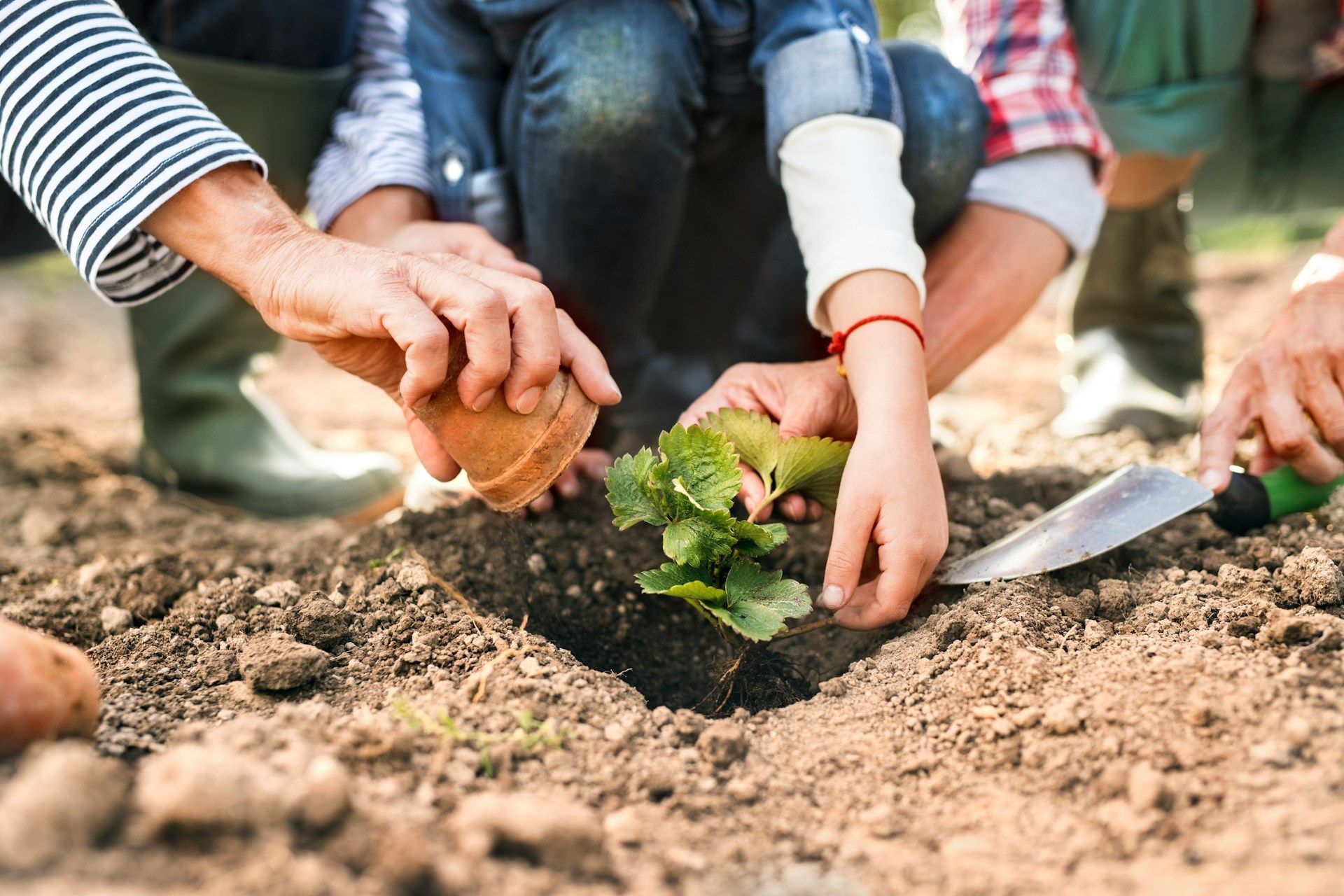
Once you've identified the soil problems in your olive tree farm, the next step is to test and amend the soil. Testing the soil involves understanding its current condition, including nutrient levels and pH balance. You can obtain a soil test kit from gardening centers or send samples to a local extension service for a comprehensive analysis.
After getting the results, it's time to take action. Here's how you can amend your soil effectively:
- Adjust pH Levels: If the soil is too acidic, you might need to apply lime to raise the pH. Conversely, if it's too alkaline, elemental sulfur can help lower it.
- Boost Fertility: Based on the nutrient deficiencies highlighted by the test results, consider adding organic fertilizers like compost or well-rotted manure to enhance soil fertility.
- Improve Texture: For compacted soil, incorporating organic matter helps improve the structure, making it easier for roots to grow and access nutrients.
Choosing natural and organic amendments ensures that your soil gets the right nutrients without the adverse effects of chemicals, promoting healthier tree growth.
Proper Irrigation Practices
Watering your olive trees correctly is crucial to prevent soil issues like waterlogging or drought stress. In Florida's warm climate, managing irrigation is a balancing act that can make or break your harvest.
Here are a few tips for effective watering:
- Monitor Soil Moisture: Regularly check the moisture levels around your olive trees. The soil should be moist but not soggy.
- Water Deeply and Infrequently: It's better to water deeply and less often rather than giving your trees frequent, shallow drinks. This encourages deep root growth, which helps trees withstand dry spells.
- Choose the Right System: Drip irrigation systems are a great choice for Florida olive farms, as they deliver water directly to the root zone, minimizing evaporation and ensuring each tree gets the right amount of water.
Getting your irrigation practice right not only protects your trees but also conserves water, which is an important part of sustainable farming practices.
Preventing Soil Compaction and Erosion
Maintaining soil structure is key to a successful olive tree farm. Compacted soil can suffocate roots, while erosion can wash away valuable topsoil. Both issues can disrupt your trees' growth and productivity.
To prevent soil compaction:
- Limit Heavy Machinery: Avoid using heavy equipment on wet soil. When soil is damp, it compacts more easily, which can damage the soil structure.
- Use Cover Crops: Planting cover crops like clover can improve soil aeration and prevent compaction over time.
To combat erosion:
- Create Windbreaks: Establishing natural barriers, such as hedges or tree lines, helps reduce wind erosion significantly.
- Maintain Vegetative Cover: Keeping a cover of grass or mulch can protect the soil from rain impact and runoff.
By taking these steps, you create a robust environment that supports your olive trees' needs and enhances farm sustainability.
Cultivating Success in Your Olive Tree Farm
Handling soil problems effectively in your olive tree farm is all about understanding and tackling specific issues as they arise. By identifying common soil challenges, testing and amending soil appropriately, and following irrigation and compaction prevention practices tailored to Florida's climate, you lay the groundwork for a thriving olive tree operation.
Keeping your soil healthy fosters resilient trees, leading to better growth and more abundant crops. As you continue to refine your soil management strategies, remember that small, consistent amendments can yield significant benefits in the long run. Looking forward to a fruitful harvest begins with a commitment to soil health today.
If you're seeking to enhance your olive tree farm's productivity, consider exploring the benefits of integrating healthier soil practices and sustainable farming techniques. Learn more about how you can improve your operation at Sunshine State Vanilla's collection of resources and offerings, including our selection of Arbequina olive trees. Discover more about olive tree farm management and how it can complement your farming endeavors.